

After two impactful years of training and empowering communities in climate-smart agriculture, the curtains have fallen on the Free Pentecostal Fellowship in Kenya (FPFK) Resilience Livelihood Program in Kisumu and Kericho counties. The program has left behind a powerful legacy of climate action and food security, especially in Nyakach Sub-county, Soin, and Sigowet areas.

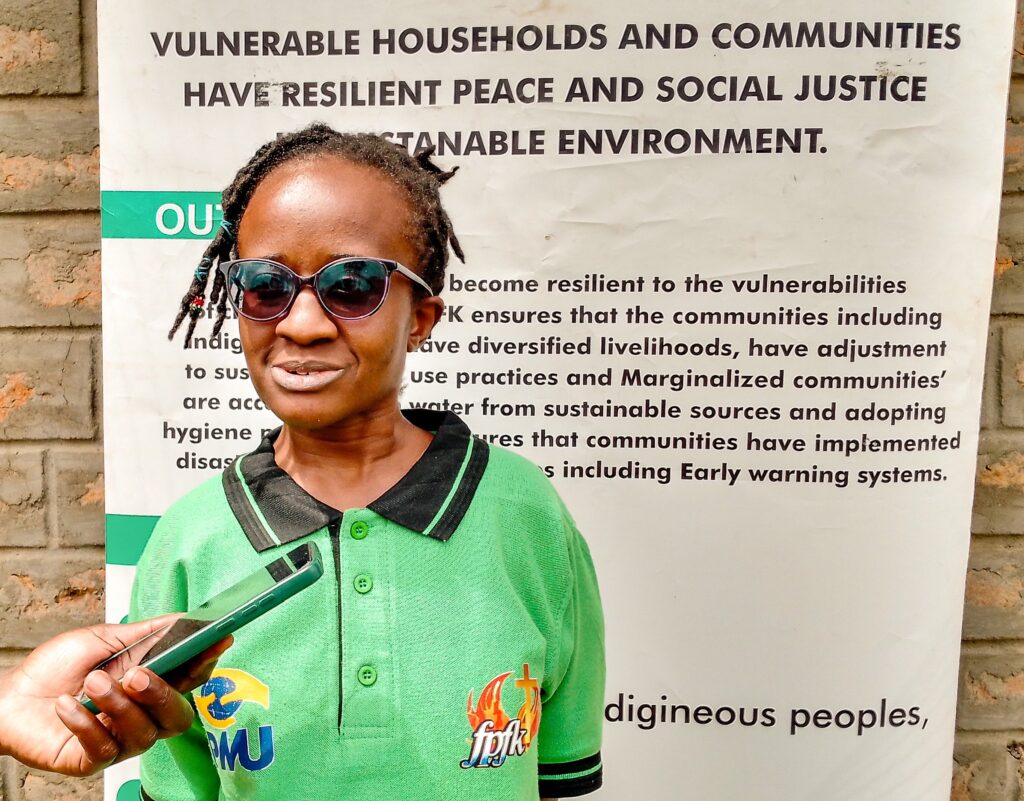
Speaking during the program’s final session in Koguta East on Monday, Grace Muga, FPFK’s Program Officer for Kisumu and Kericho counties, emphasized the critical need for climate action in agriculture-dependent regions like Nyakach.
“We have trained farmers on sustainable land use, group dynamics, and smart agricultural practices. Climate change is real, and it is affecting the livelihoods of our people. Through this program, we are equipping them with tools to adapt,” Muga stated.
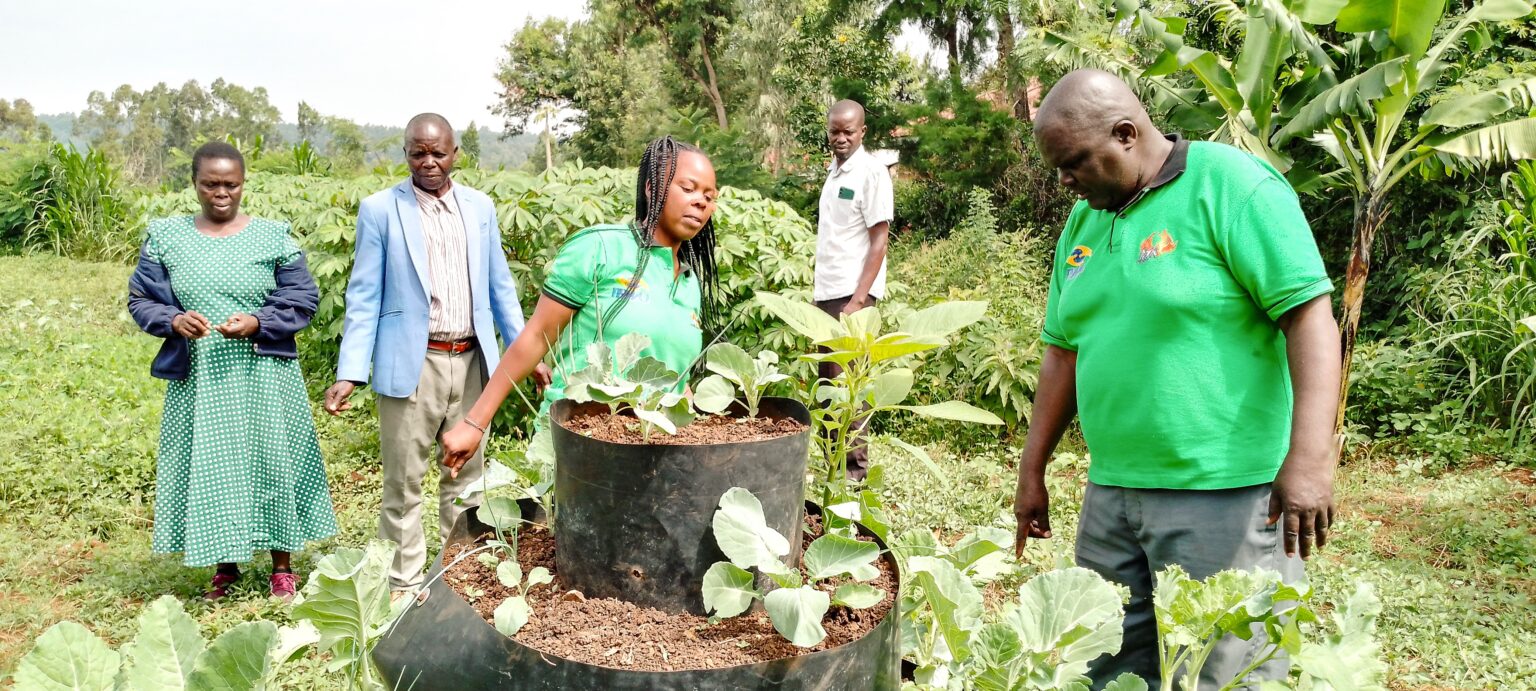
The FPFK initiative, run through a structured Farmer Field School model, has seen local farmers evolve from climate change skeptics to advocates and practitioners of sustainable farming. Muga praised farmers in Kadiang’a and Koguta for actively spreading climate knowledge in their communities, and she urged them to keep teaching others.
Mr. Odongo, chairperson of the Nyabondo Farmer Field School, admitted that at the start, many farmers were unfamiliar with climate change concepts. However, over time, they embraced modern practices, including composting.
“We no longer rush to Sondu Market. Every farmer now has a kitchen garden with vegetables like kales, spinach, cassava, and groundnuts. Compost manure is not only free, but it works even better than manufactured fertilizer,” Odongo said.
Pamela Kola, another farmer, praised the program for changing her outlook on farming:
“I’ve learned that crop rotation is vital. I make my own manure using animal waste, and it has boosted my yields. I no longer buy fertilizer,” she explained, urging Nyakach residents to adopt smart farming practices.
Evance Otieno, Acting Chief of Sigoti Location, said the benefits extended beyond food production. He noted a significant drop in domestic violence cases, attributing it to improved food security at the household level.
“When families have food, there is peace. This program has indirectly reduced conflicts in homes,” Otieno observed, appealing for the program’s expansion.
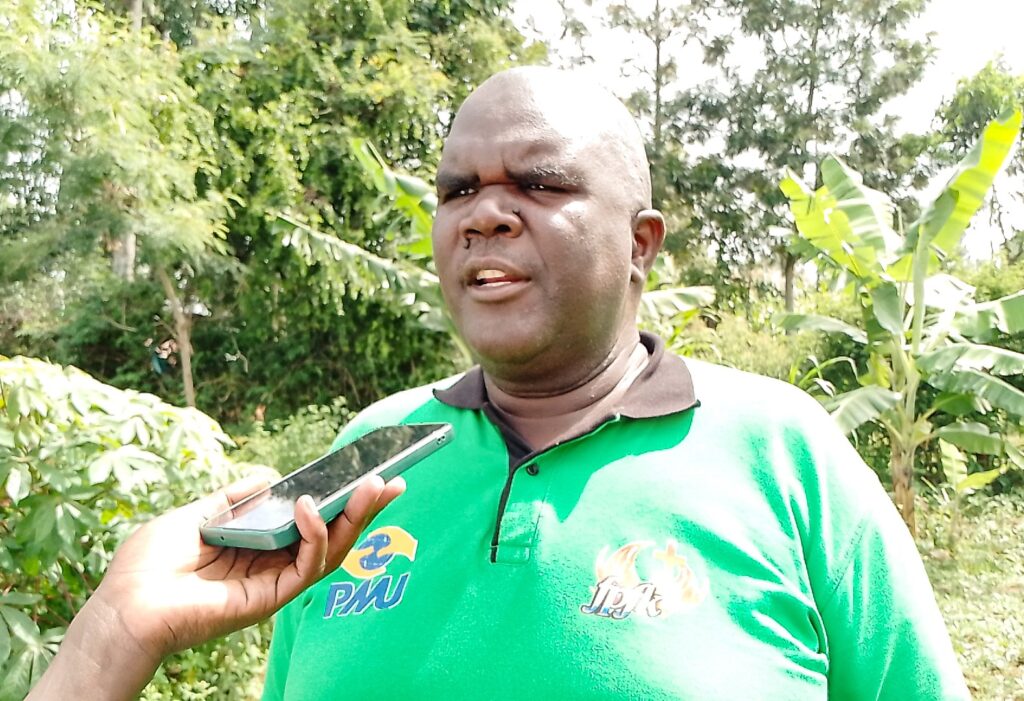
Deputy Bishop John Ominde of FPFK Kisumu Region lauded the program donors and partners for their commitment, saying the initiative had changed lives and livelihoods.
“We are grateful to the donors. The farmers have pledged to sustain their projects and apply the knowledge gained,” he said.
South East Agriculture Officer Nicholas Ochieng also pledged continued support, promising free technical assistance to help farmers maintain the momentum.
“I will keep walking with these farmers. I will advise them on increasing productivity — for free,” he assured.
The FPFK Resilience Livelihood Program now closes its chapter in Nyakach and Kericho, but its legacy of climate-smart agriculture, food security, and community empowerment will continue to grow through the very hands it trained.