


Kenya Launches National Rice Survey to Cut KSh 56 Billion Annual Imports
Kenya has launched a nationwide rice survey as the government pushes to reduce costly imports and strengthen food security, with the aim of closing a deficit estimated at approximately 700,000 metric tonnes every year.
The Survey
The National Baseline Survey for Rice Production was commissioned on Thursday, May 21, by Irrigation Secretary in charge of Land Reclamation, Climate Resilience and Irrigation Water Management, Tanui Joel, on behalf of Principal Secretary for Irrigation CPA Ephantus Kimotho Kimani.

According to the State Department for Irrigation, the survey will collect comprehensive data to guide the implementation of targeted interventions under the Rice Deficit Reduction Programme.
The exercise will cover major rice-producing irrigation schemes as well as emerging rice-growing areas operating under public and community irrigation projects across the country.
What Will Be Assessed
Officials said the survey will assess several critical areas within the rice value chain, including acreage under rice farming, irrigation infrastructure, water availability, production capacity, mechanisation levels, seed varieties, farmer productivity, post-harvest handling and market access.
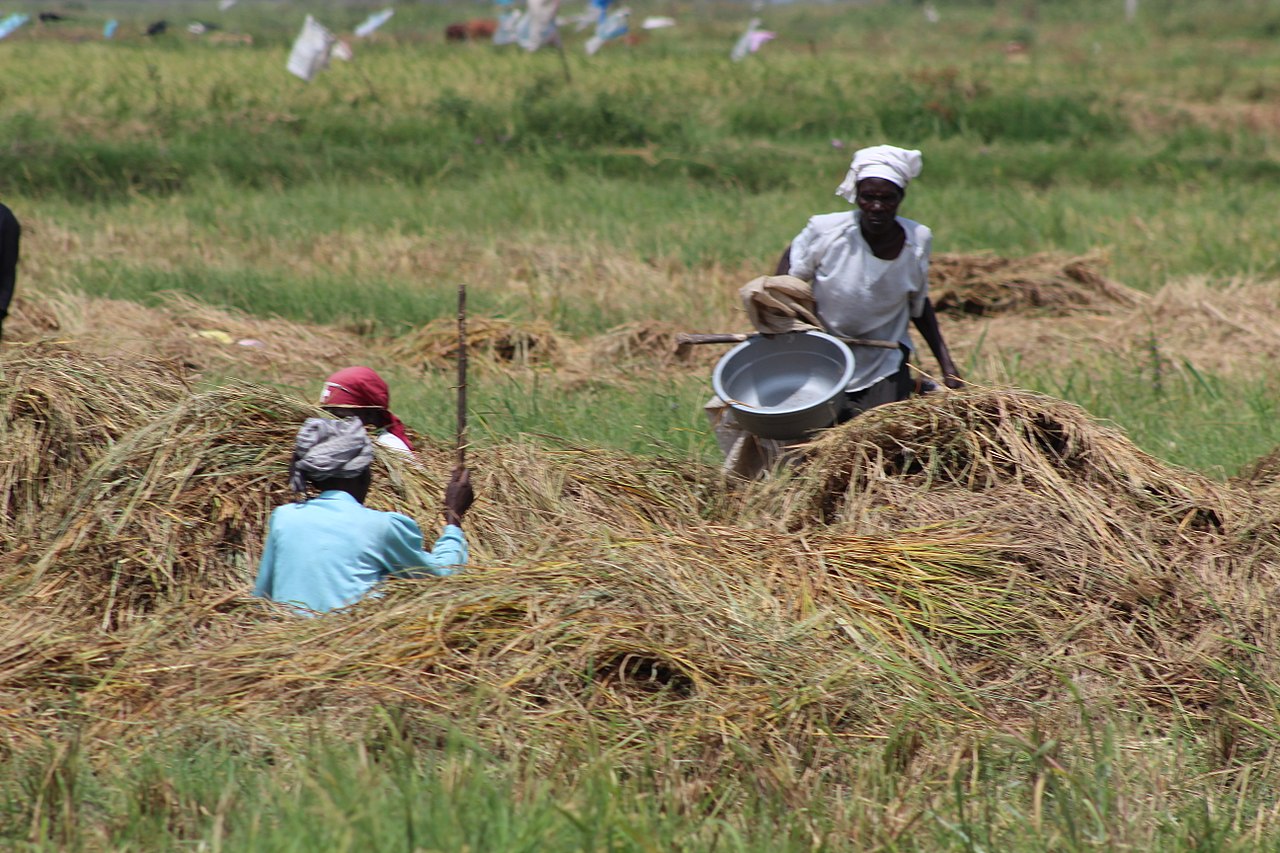
The findings are expected to help the government make informed policy decisions, improve planning and direct investments where they are needed most within the irrigation sector.
Why It Matters
The State Department for Irrigation noted that the survey will provide a strong foundation for rolling out strategic interventions aimed at increasing national rice production, improving food security and enhancing farmers’ livelihoods.
Kenya currently spends more than KSh 56 billion annually on rice imports — money the government hopes to save by expanding local production through the Rice Intensification Programme.
The initiative also supports the government’s broader agenda on food security, climate resilience and sustainable agricultural transformation through modern irrigation systems, efficient water management and climate-smart farming technologies.