


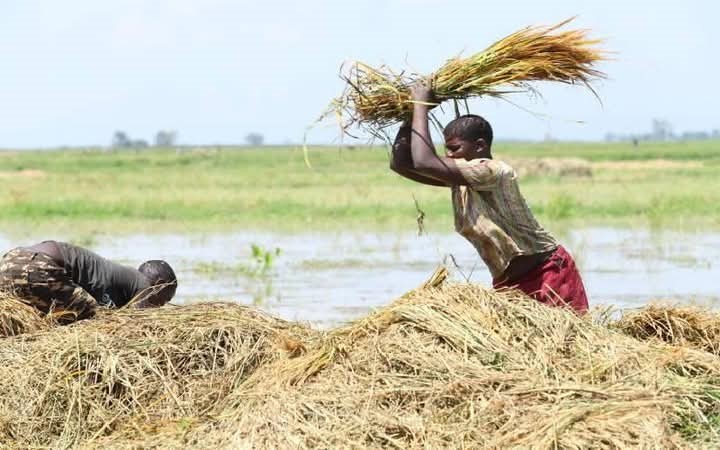
Rice farmers in South West Kano, West Kano Irrigation Scheme, Kolwa, Ahero, and Kobura Ward have been encouraged to join cooperatives to improve their yields, secure better markets, and maximize returns on investment through fair pricing.
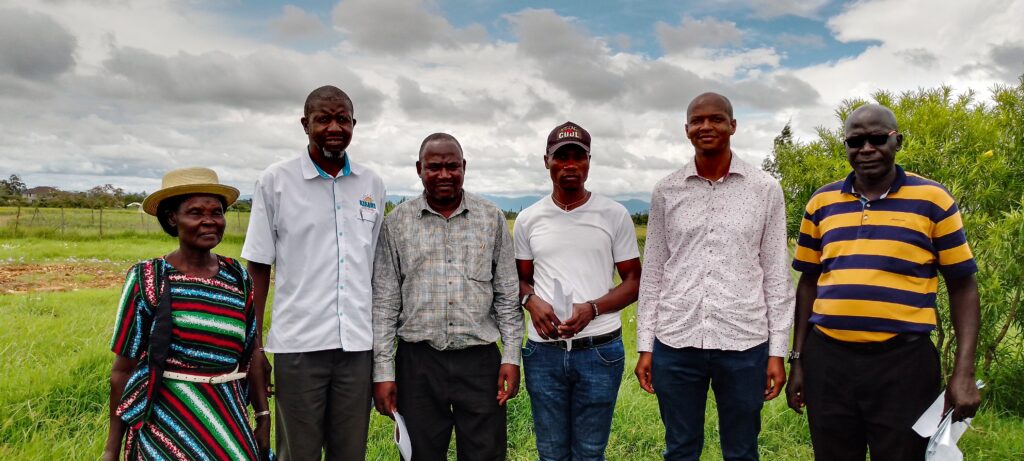
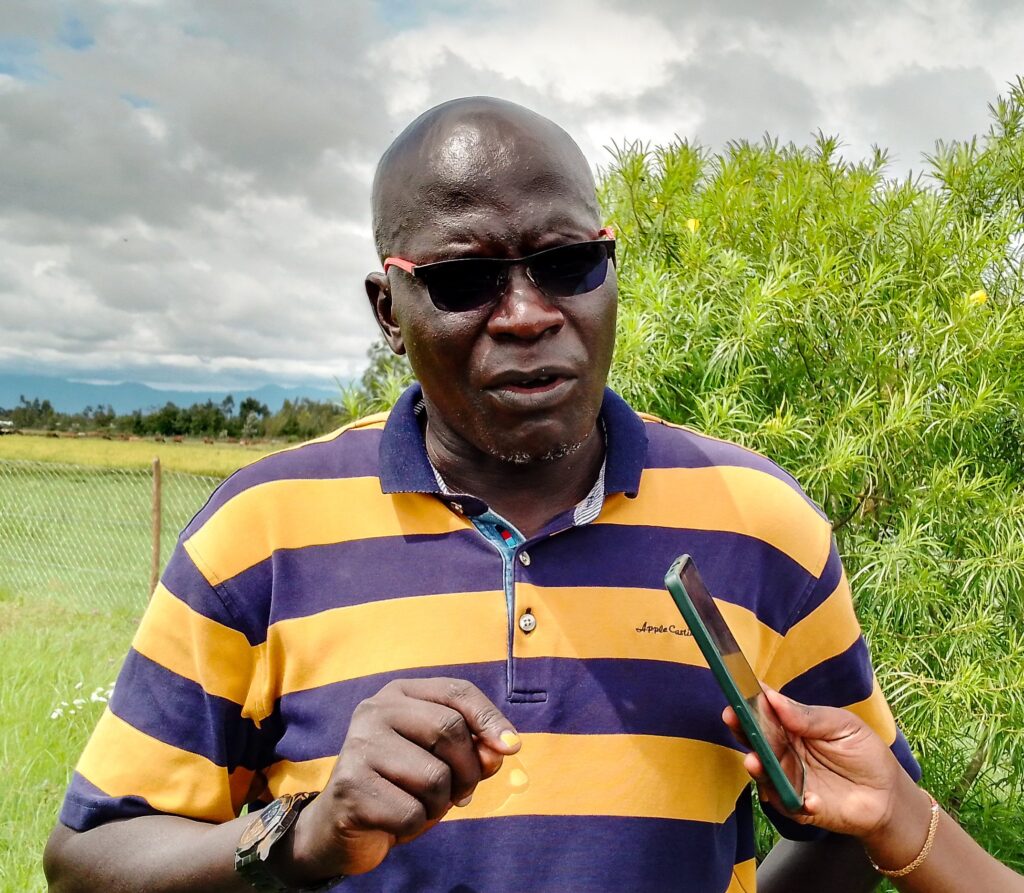
Speaking during the Annual General Meeting at Nyang’ande Centre in Kabonyo Kanyagwal, Kadibo Sub-County, Pur Ber Rice Farmers Cooperative Society Chairperson David Ndhine highlighted the benefits of cooperative membership. He emphasized that farmers who join the cooperative gain access to affordable farm inputs, training, and better market opportunities, leading to increased production and income.
“Over the past three years, we have made tremendous strides by working closely with the Kisumu County Government and the World Bank,” Ndhine stated. “The cooperative helps farmers obtain farm inputs at lower prices, secure markets, and receive training. I urge all rice farmers in the region to join because this is the only way to achieve better yields and ensure fair pricing.”
Celine Waga, a cooperative member, testified to the benefits, revealing that her farm production had doubled since joining Pur Ber.
“I used to cultivate only one hectare, but now I farm two hectares, thanks to the cooperative. I encourage other farmers to join and benefit from free fertilizer and better market access,” she said.

Sylvester Oketch, Coordinator of the National Agricultural Value Chain Development Project (NAVCDP) in Kisumu, echoed these sentiments, stressing that cooperatives empower farmers by giving them bargaining power in the market. He encouraged rice farmers to mill their rice locally rather than selling raw produce to maximize profits.
“We currently import 80% of our rice, yet if we mill locally, we can reduce reliance on imports. It’s easier to assist a cooperative than individual farmers,” Oketch explained, revealing plans to provide a milling machine for Pur Ber members to enhance value addition.
John Ming’ala, Kisumu County Director for Cooperatives and Trade, reinforced the call for unity, noting that individual farmers are often exploited in the market.
“Strength is in numbers. Working as a cooperative allows farmers to set favorable prices and avoid losses,” he said.

Additionally, Erick Nganga of Greenspark Initiative pledged support for farmers by supplying fertilizer on credit, with payments made after harvest.
“We aim to reduce farmers’ struggles with farm inputs, and Pur Ber has proven to be well-organized and efficient,” he stated.
With continued support from stakeholders, rice farmers in Kano are set to benefit from increased productivity and profitability, further reducing Kenya’s dependence on imported rice.