

Philanthropist and billionaire investor Warren Buffett has channelled KSh 3.8 billion into Kenya for the second year running, reinforcing his foundation’s commitment to health and agricultural development in the country.
The funding, disbursed through the Howard G. Buffett Foundation, targets programmes spanning agricultural transformation, food security, and health system strengthening — areas where Kenya continues to face significant challenges despite steady economic growth.
Where the Money Goes
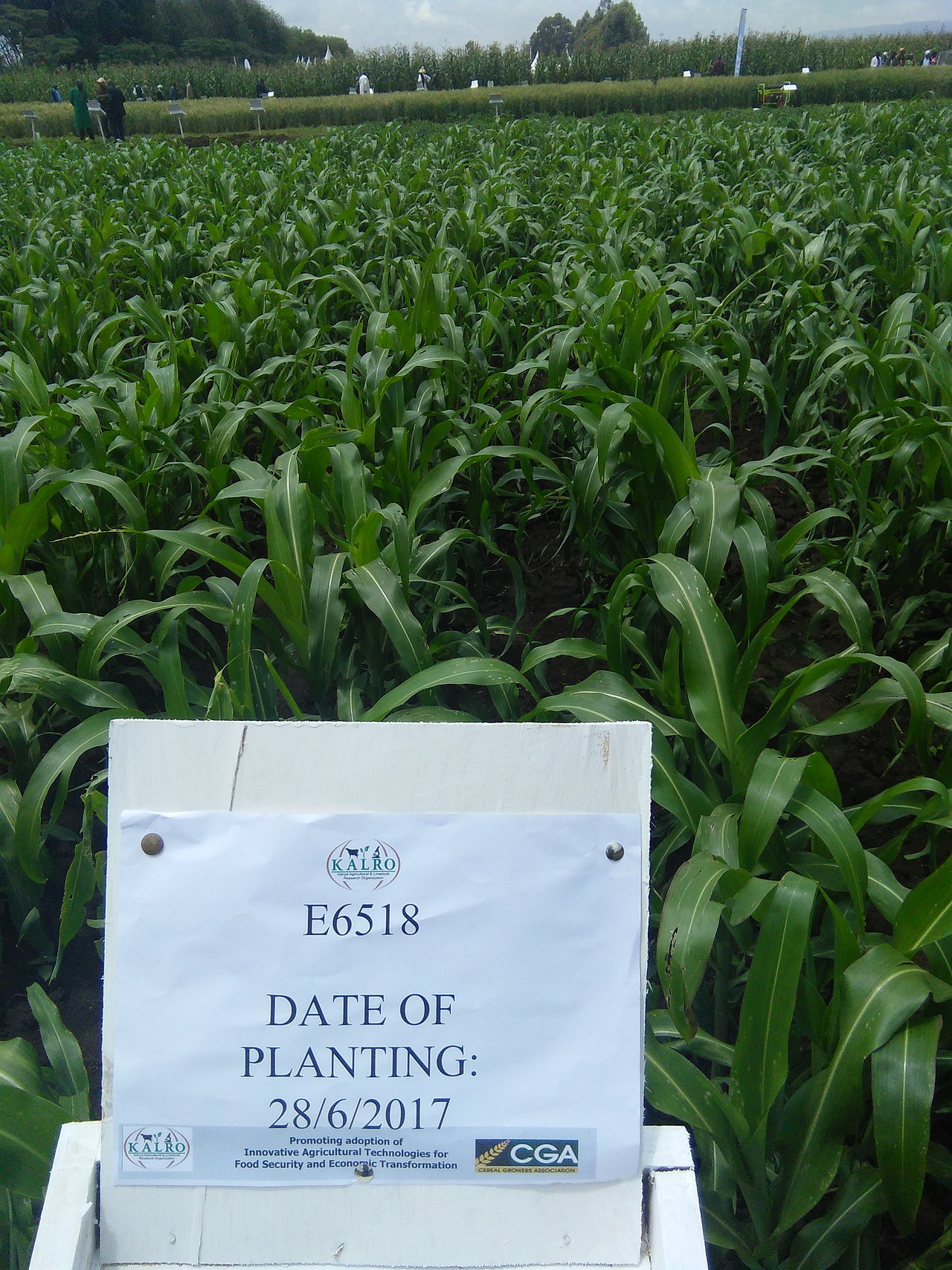
A substantial portion of the latest tranche is expected to support smallholder farmers in western and central Kenya, where the foundation has been running soil health and irrigation projects for several years. The programmes have reportedly helped thousands of farmers move from subsistence to commercial production, though the scale of need remains enormous.

Why Kenya Again?
The Buffett Foundation’s focus on Kenya isn’t random. The country’s strategic position as an agricultural hub in East Africa, combined with its relatively stable institutional framework, makes it an attractive destination for impact-focused philanthropy. The foundation has previously invested in conservation agriculture research, water management systems, and nutrition programmes targeting women and children.
The repeat funding signals growing confidence in Kenya’s development pipeline, even as other donors have pulled back or redirected resources in response to global economic pressures and shifting geopolitical priorities.
The Bigger Picture
Kenya’s development partners have been recalibrating their commitments in recent months. The US government’s aid restructuring under the current administration has created uncertainty around long-standing health and agriculture programmes. Against that backdrop, private philanthropy — particularly from figures like Buffett who have demonstrated sustained commitment — becomes even more critical.
The KSh 3.8 billion injection won’t solve structural problems overnight, but for the communities and farmers directly benefitting from these programmes, it represents a lifeline that keeps schools open, clinics running, and farms productive. Whether the Kenyan government can eventually pick up the baton and reduce reliance on external funding remains the harder, longer question.