

The African Union has called for immediate de-escalation in the Gulf region following renewed attacks and disruptions in the Strait of Hormuz, warning that the escalating tensions could trigger devastating energy shocks across the continent.
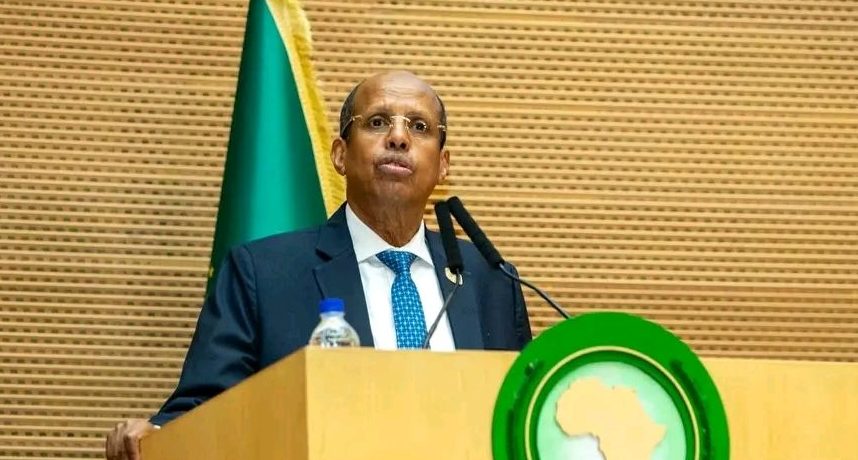
Speaking on behalf of the AU Commission, Chairperson Mahmoud Ali Youssouf expressed deep concern over the renewed hostilities, which have already begun rattling global oil markets and pushing fuel prices higher in import-dependent African nations.
Why African Economies Are at Risk
Most African countries rely heavily on imported petroleum products. Any prolonged disruption in the Strait of Hormuz — through which roughly a fifth of the world’s oil passes — translates directly into higher pump prices, inflated transport costs, and increased pressure on already-stretched household budgets.
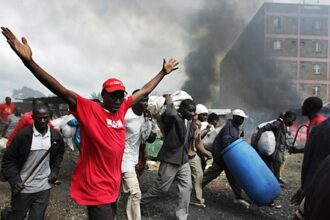
Kenya, for instance, is already grappling with a fuel shortage that has seen long queues at petrol stations in Nairobi and other major towns. The Gulf crisis threatens to make a bad situation considerably worse.
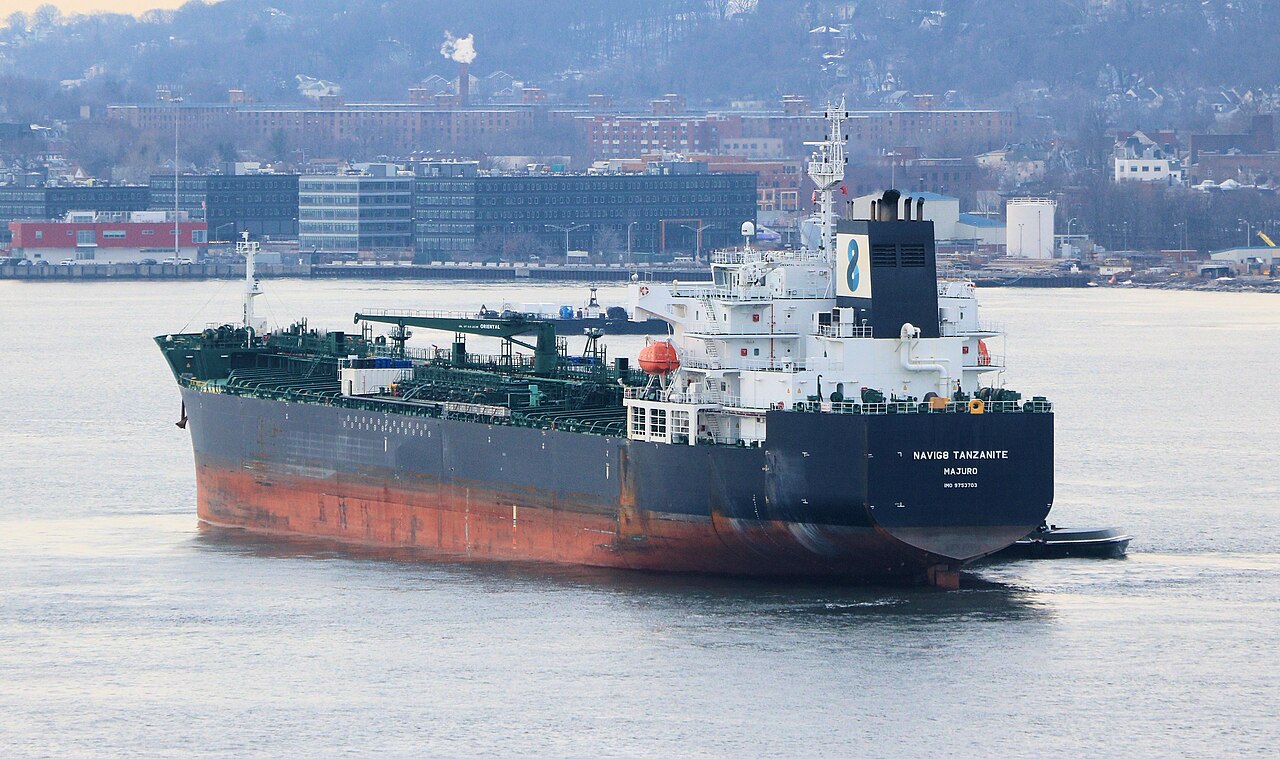
ripple effects across East Africa
The impact extends well beyond fuel. Higher energy costs push up prices of basic commodities, from food to manufactured goods, hitting the poorest communities hardest. Landlocked countries that depend on Mombasa port for imports face a double burden of higher global prices and increased transport costs.
Saudi Arabia has already posted a $33.5 billion budget deficit amid a sharp drop in oil sales, signaling the severity of the disruption. Oil prices have edged lower after the US signaled it would pause operations and seek a deal with Iran, but uncertainty remains high.
What the AU Wants
The AU is pushing for diplomatic channels to be prioritized over military escalation. Youssouf urged all parties involved to return to the negotiating table, emphasizing that African economies — many already burdened by debt and inflation — cannot afford the fallout of a prolonged Gulf conflict.
With the Africa Forward Summit set to be hosted in Nairobi in the coming days, the crisis is expected to feature prominently in discussions about the continent’s economic resilience and energy security.