

Birth
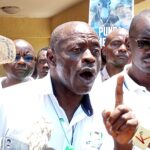
Geoffrey Rigathi Gachagua was born in 1965 in Hiriga Village, Mathira Constituency, Nyeri County. He was the youngest in a polygamous family of nine children. Gachagua’s roots are deeply connected to Kenya’s Mau Mau resistance; his father, Gachagua Reriani, serviced the fighters’ weapons, while his mother, Martha Kirigo, was a food and ammunition courier for the resistance.
Education
Gachagua attended Kabiruini Primary School from 1971 to 1977 and later enrolled at Kianyaga High School, where he completed both his O and A levels. In 1985, he joined the University of Nairobi, earning a Bachelor of Arts degree in Political Science and Literature in 1988.
Marriage and Family
In 1985, Rigathi met Dorcas Wanjiku at a university event, and their relationship culminated in marriage in 1989. The couple has two sons, Kevin and Keith.

Public Service Career
After graduation, Rigathi entered public service, beginning his career as an administrator in the Ministry of Home Affairs. Between 1990 and 1999, he served as a District Officer (DO) in Kirinyaga, Kakamega, and Laikipia during the presidency of Daniel Moi. Under Moi’s administration, the provincial administration was a central pillar of government authority, and Gachagua became known for his firm, sometimes heavy-handed, approach. His record as a DO resurfaced as a point of contention when he was named William Ruto’s running mate.
Gachagua as Personal Assistant
Rigathi also worked as a personal assistant (PA) to prominent political figures, first with Uhuru Kenyatta during Kenyatta’s progression from minister to presidential candidate. During this period, Gachagua built his business acumen and nurtured his political ambitions. Later, he served as PA to his brother, Nderitu Gachagua, who was elected governor of Nyeri in 2012. Rigathi wielded significant influence during Nderitu’s administration, especially concerning tenders and contracts, effectively acting as a de facto governor until Nderitu’s death from cancer in 2017.
Entry into Politics
Rigathi’s political journey began in earnest after his brother’s passing. Although he initially held back from running for Mathira MP due to concerns about perceptions of political nepotism, he eventually contested and won the seat in 2017. In 2022, he relinquished his parliamentary seat to run alongside Ruto as the UDA party’s vice-presidential candidate. The selection process for Ruto’s running mate was contentious, with most party members initially favoring Kithure Kindiki. However, Gachagua lobbied vigorously, emphasizing his loyalty and contributions to Ruto’s campaign, ultimately securing the role.
The Campaign and Rise to Deputy President
During the campaign, Gachagua was a staunch advocate for the UDA party’s platform, heavily criticizing then-President Uhuru Kenyatta. He resonated with voters by portraying himself and Ruto as champions of the “hustler nation” and by highlighting state persecution and economic hardship under the incumbent administration. UDA narrowly won the election, and Gachagua was sworn in as Kenya’s second deputy president under the 2010 Constitution, marking a rapid ascent from first-term MP to deputy president.
The Fall of Rigathi as Deputy President
Gachagua’s tenure as deputy president began with a misstep during the swearing-in, where he had to repeat his oath due to procedural errors. His speech quickly became a source of controversy, as he implied a preferential government treatment for regions that had supported UDA. This narrative of “political shareholding” was seized upon by critics, who accused the administration of fostering division rather than unity.

Gachagua’s fixation on Mount Kenya politics led to internal strife within the government, particularly with fellow leaders like Kimani Ichung’wa. Gachagua’s regional focus and calls for Mount Kenya unity alienated some colleagues and sparked concerns that he was diminishing his role as a national leader. This mounting discontent coincided with economic protests spurred by the controversial finance bill, which UDA ultimately withdrew.
The rift between Gachagua and President Ruto deepened, especially after the president restructured his administration to include leaders from opposition party ODM, signaling a shift toward inclusivity that Gachagua opposed. Speculation of impeachment surfaced, and eventually, parliament tabled a motion to remove Gachagua from office. His efforts to delay the process were unsuccessful, and, with the lifting of conservatory orders barring Kindiki’s swearing-in, Gachagua’s political career reached a critical juncture.
In a broader context, Rigathi Gachagua’s political trajectory underscores the enduring challenges of tribalism and regionalism within Kenya’s political landscape. As Dr. Martin Luther King Jr. once said, “Racism is the cancer that we have to remove from our body politic so that it regains its democratic health.” For Kenya, the fight against tribalism remains key to achieving a truly united democracy.