

A damning shadow budget report has laid bare the mounting pressures squeezing Kenya’s public finances, with rising debt obligations and shrinking donor funding threatening to cripple essential services across the country.
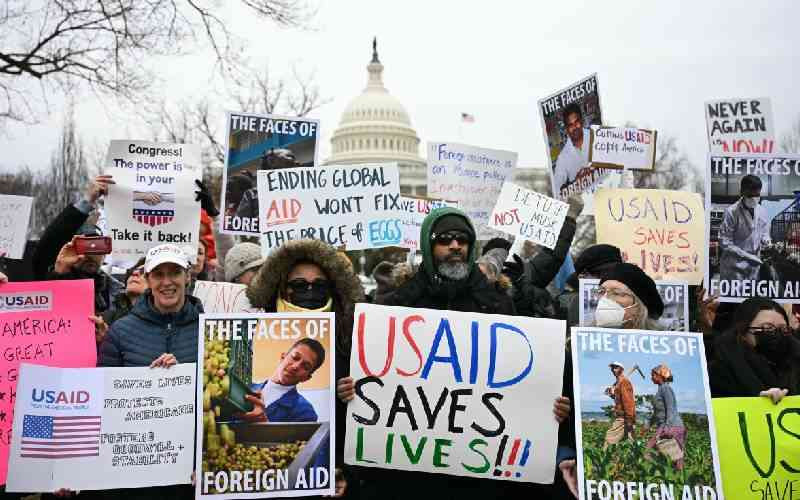
The report, which scrutinizes government spending against actual revenue collection, shows a widening gap between what the Treasury projected and what is realistically available. With external donor cuts already hitting health and education programmes, the government faces tough choices on where to allocate limited resources.
Debt Burden Keeps Growing
Kenya’s public debt has continued on an upward trajectory, with repayment obligations consuming an increasingly large share of the national budget. The shadow budget analysis indicates that debt servicing costs now threaten to crowd out funding for critical services including healthcare, education, and infrastructure development.
The situation has been worsened by the global economic slowdown driven by the Middle East conflict, which has disrupted trade routes and pushed up fuel prices. The Treasury recently trimmed its economic growth forecast to 5 percent, citing the ripple effects of the geopolitical crisis.
Donor Funding on the Decline
International donor cuts have emerged as another major headache. Several development partners have either reduced their funding commitments or delayed disbursements, leaving programme gaps in sectors that millions of Kenyans depend on. Health facilities in rural areas are already feeling the pinch, with reports of drug shortages and understaffed clinics becoming more common.
The timing could not be worse. Kenya remains on the FATF grey list, which makes it harder to attract foreign investment and access affordable credit from international markets. The greylisting has already raised borrowing costs and complicated the government’s efforts to refinance maturing debt.
What This Means for Ordinary Kenyans
For the average citizen, the shadow budget’s findings translate into a straightforward reality: fewer government services, higher taxes, and slower economic growth. The private sector has already contracted for two consecutive months, with businesses citing weak demand and rising input costs.
With the 2027 election cycle approaching, the pressure on the government to deliver visible development projects while balancing the books will only intensify. Whether Treasury can pull off this balancing act without pushing the economy into deeper trouble remains the multibillion-shilling question.