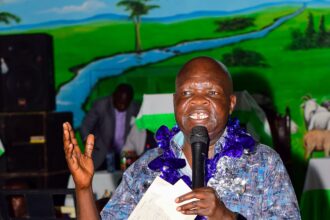


DR Congo President Félix Tshisekedi has dropped his strongest hint yet that he may seek to extend his time in power beyond the constitutional two-term limit, telling supporters that if the people want him to stay, he will accept a third term.

Speaking at a public gathering, Tshisekedi said he would respect the will of the Congolese people if they chose to keep him in office. His current mandate expires in 2028, and the constitution bars him from seeking a third term. But his comments suggest that a constitutional amendment could be in the works.
A Familiar African Pattern
Tshisekedi’s remarks follow a well-worn playbook across the African continent, where several leaders have successfully changed their countries’ constitutions to remove term limits. From Rwanda to Guinea to Ivory Coast, the maneuver has become increasingly common, often triggering political instability and public backlash.
DR Congo is already grappling with a complex security crisis in its eastern provinces, where armed groups continue to terrorize civilians. Adding a constitutional crisis to the mix could further destabilize the vast Central African nation, which is home to over 100 million people and some of the world’s richest mineral deposits.
Regional Implications
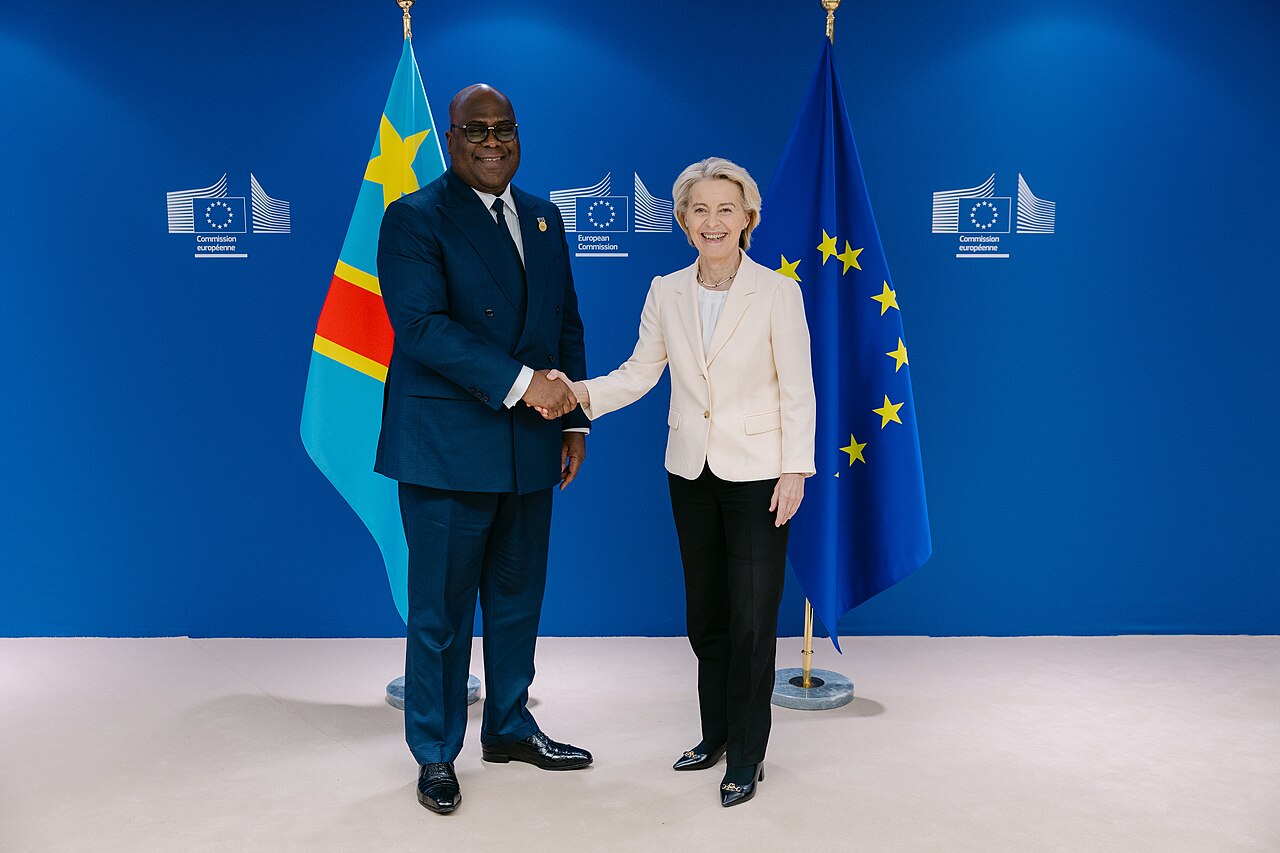
The development will be watched closely across East and Central Africa, where DR Congo’s stability has direct implications for neighboring countries. Kenya, Uganda, Rwanda, and Tanzania all have significant trade and security interests in what happens in Kinshasa.
For Kenya, any instability in DR Congo could affect trade routes, regional security cooperation, and the ongoing efforts to mediate peace in eastern Congo. The African Union and regional blocs will likely come under pressure to engage Tshisekedi on the issue before it escalates further.
As one of Africa’s largest countries by both landmass and population, DR Congo’s democratic trajectory matters for the entire continent. Whether Tshisekedi follows through on his hint or steps aside in 2028 will have ramifications far beyond Congo’s borders.