


For decades, Kondele, an urban hub in Kisumu County, Kenya, was synonymous with chaos—a flashpoint for political unrest and violence. Referred to by some as “Darfur” due to its warzone-like reputation, it was feared by politicians and shunned by visitors. Today, however, Kondele is shedding its troubled past and emerging as a vibrant 24-hour economy.
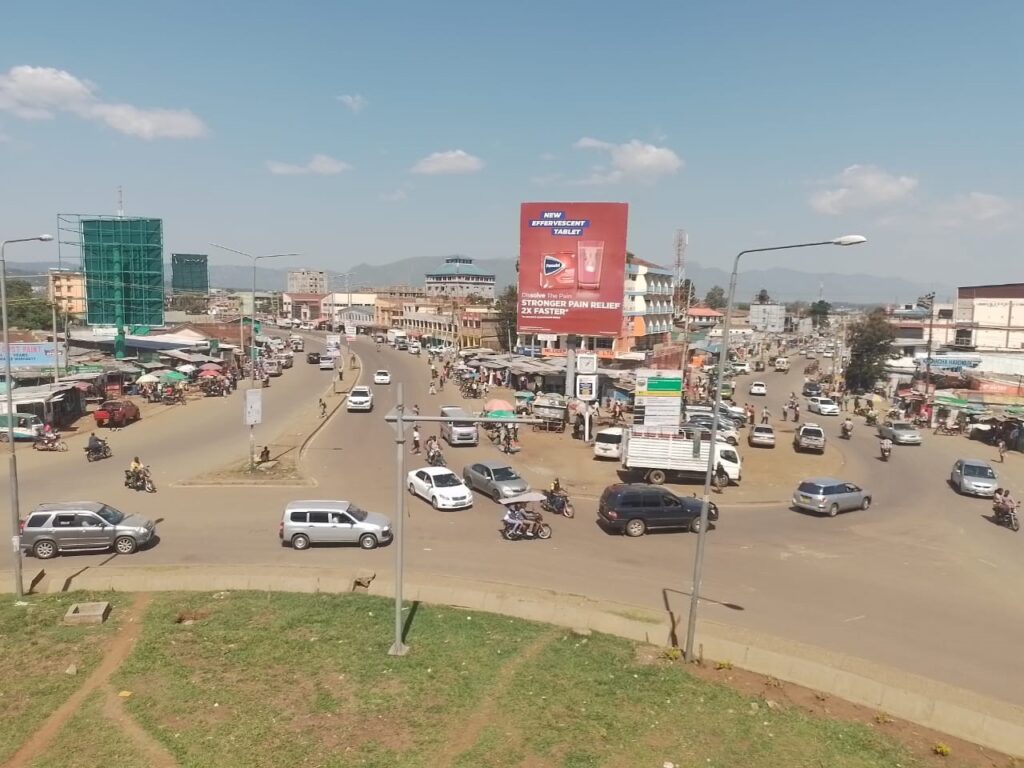
Nestled along the Kisumu-Kakamega Highway, Kondele is strategically positioned as a gateway connecting Kisumu to Uganda and East Africa. Its newfound stability and flourishing business environment have not only transformed its landscape but also its narrative.
A History of Turmoil
The turbulence in Kondele dates back to October 24, 1969, when a political rift between Kenya’s founding President Jomo Kenyatta and his former deputy Jaramogi Oginga Odinga erupted during the inauguration of the New Nyanza General Hospital. The area quickly became a staging ground for political protests, including those that followed the murder of Foreign Affairs Minister Robert Ouko in 1990 and the push for multiparty democracy in 1992.
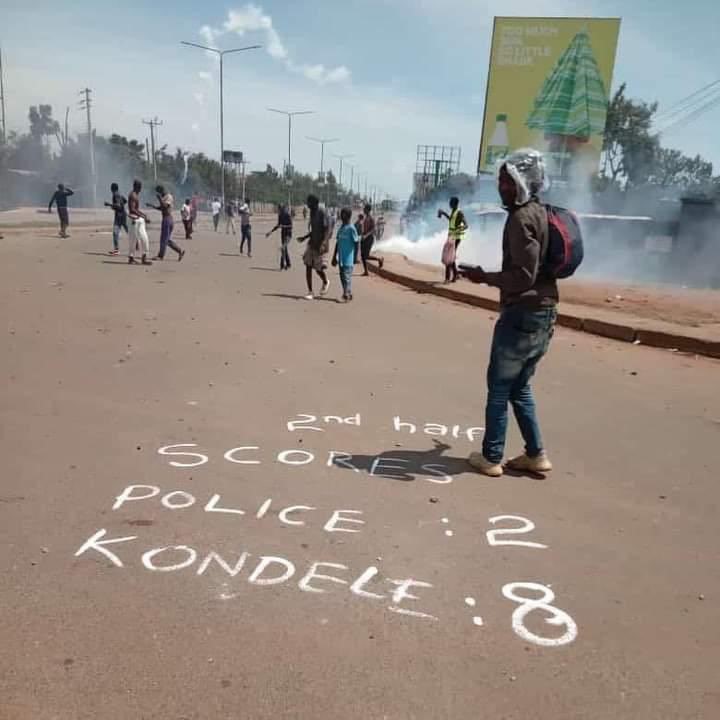
Post-election violence in 2007 and 2017 further entrenched Kondele’s reputation as a hotspot for unrest, with many lives lost and businesses destroyed. Politicians from every administration, including former heads of state Daniel Moi, Mwai Kibaki, Uhuru Kenyatta, and the current president William Ruto, have faced resistance in this area.
Rebirth as an Economic Hub
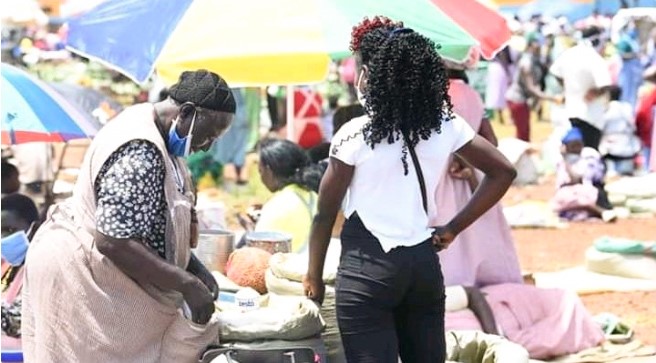
Kondele’s transformation began with grassroots economic initiatives by locals who found themselves excluded from Kisumu’s Central Business District. Over time, the area evolved into a bustling business center, attracting supermarkets, banks, and high-end hotels. Notable establishments include Co-operative Bank, Equity Bank, KCB Bank, and a variety of retail outlets.
According to businessman James Ouma, this rebranding has positioned Kondele as a critical economic engine for Kisumu County. Ruth Atieno, a long-time resident, attributes the change to improved infrastructure and a supportive business environment, facilitated by the county government.
The value of land and housing in Kondele has soared. By 2016, an acre of land averaged KES 10 million, and rental prices for two-bedroom homes reached KES 15,000–20,000. This growth has drawn investors and elevated Kondele into a vital economic corridor.
Challenges on the Path to Progress
Despite the positive changes, Kondele faces lingering issues, including drug-related activities and crime hotspots like Manyatta. Businessman Jack Omondo highlights the need for ongoing capacity building to prevent political exploitation and strengthen the region’s stability.
Local police efforts, led by Officer Commanding Station (OCS) Daniel Ogechi, have been instrumental in reducing crime. The Kenyan Tabloid reports that Kondele Police Station, with its 150 officers, has recorded 335 cases this year, with over 300 resolved. Ogechi employs innovative tactics, including intelligence-driven patrols and strategic deployment in crime-prone areas, such as Manyatta, Obunga, and Kondele.
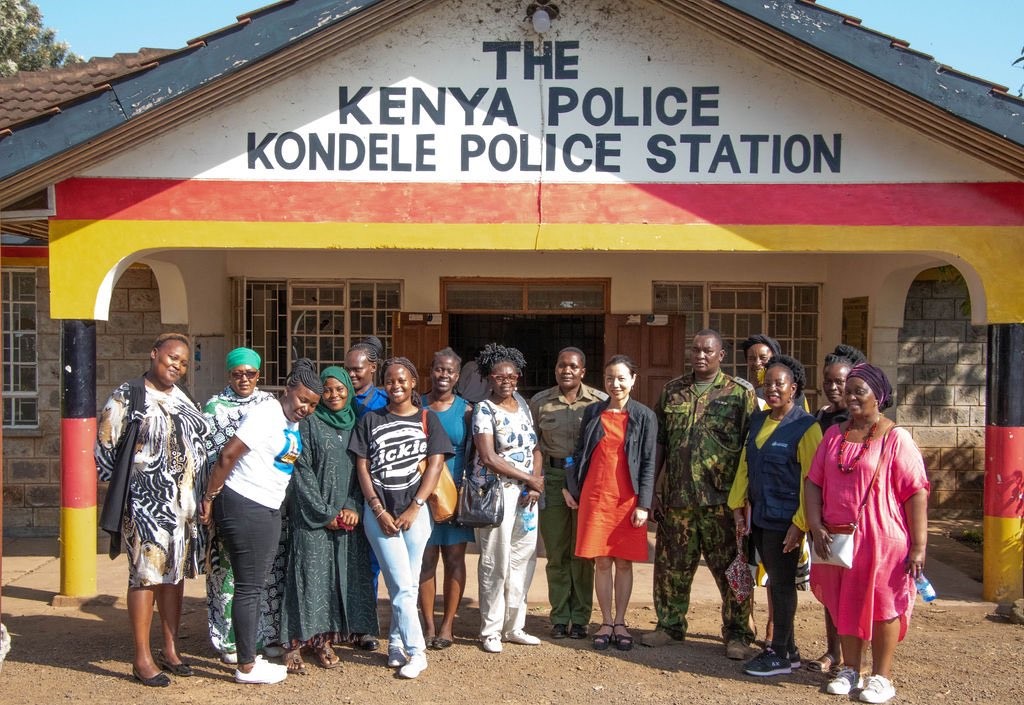
However, challenges persist. Poor street lighting provides cover for criminals, and stronger community-police relationships are essential for sustained peace. Ogechi’s public engagement has fostered trust, significantly reducing car theft and other crimes.
A Bright Future Ahead
Kondele’s resurgence is emblematic of Kisumu County’s broader ambitions under Kenya’s Vision 2030 development blueprint. Its rise as a 24-hour economy signals a shift from its history of unrest to a future defined by commerce, culture, and community resilience.

As President William Ruto’s recent visits to Kondele demonstrate, this once-volatile region is now a symbol of progress. The combined efforts of residents, businesses, and security forces have charted a new course for Kondele—a beacon of hope and economic vitality in the heart of Kenya’s Lake City.
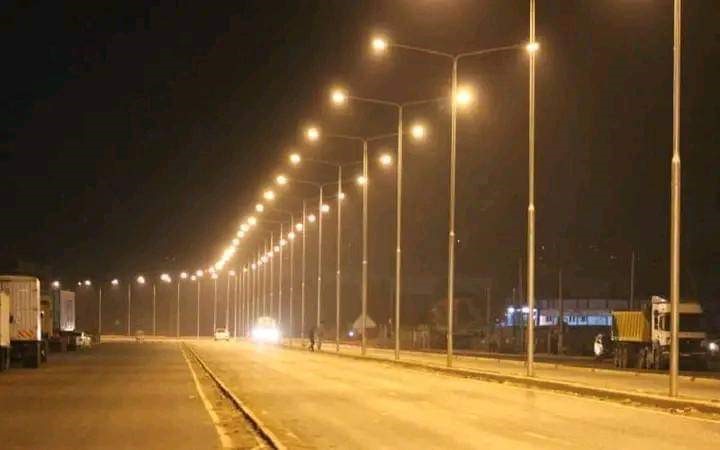
This remarkable transformation is a testament to the enduring spirit of Kondele’s people, proving that even the most challenging histories can give way to brighter futures.