
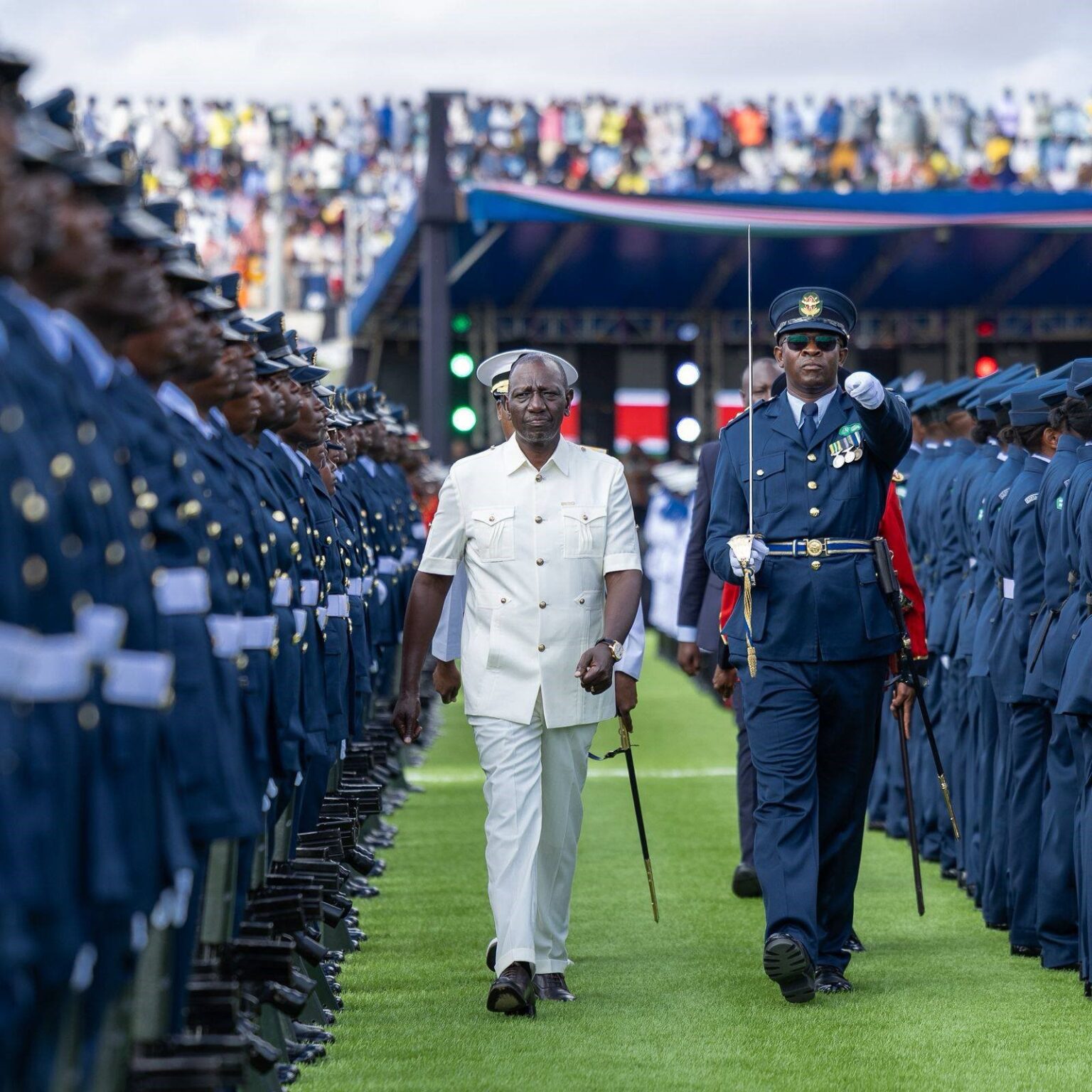

President William Ruto has formally apologised to the people of Northern Kenya for decades of marginalisation and neglect, describing the 2026 Madaraka Day celebrations in Wajir County as a historic turning point in the country’s quest for equity and inclusive development.
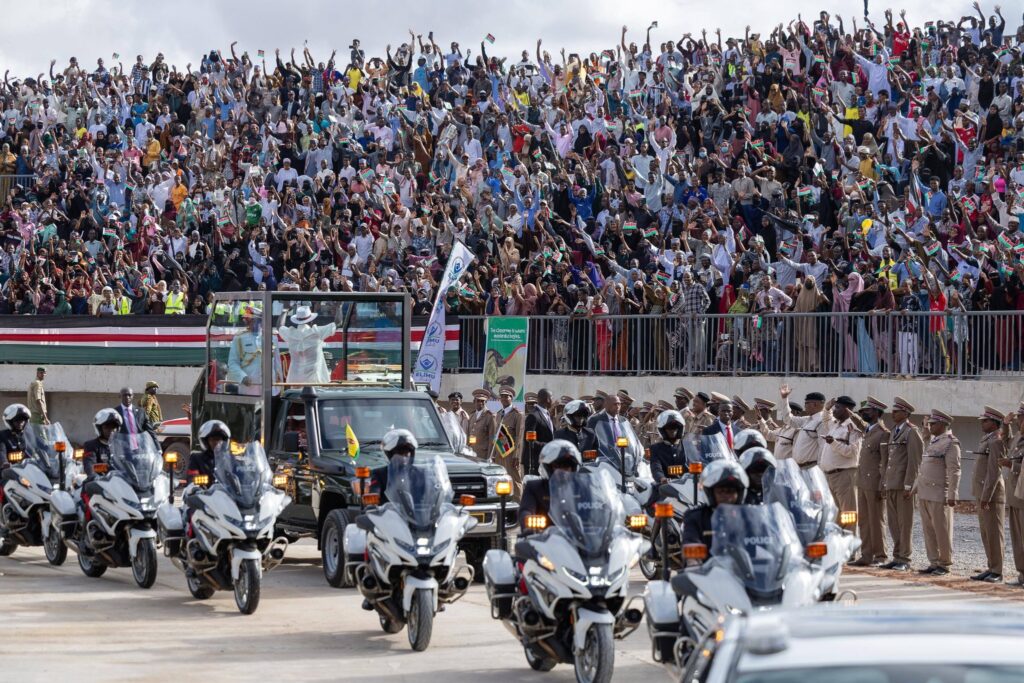
Speaking during the national celebrations in Wajir, Ruto said the occasion marked the beginning of efforts to correct a historical injustice that had persisted for more than six decades.
“The historic Madaraka Day celebration in Wajir County is, without question, the most consequential of my lifetime and political career. Today, we are confronting and correcting a historical injustice that has endured for more than six decades,” said the President.
Ruto attributed the region’s underdevelopment to policy decisions made after independence, particularly those arising from Sessional Paper No. 10 of 1965, which he said left Northern Kenya facing years of State-sanctioned neglect.
“For far too long, the people of Northern Kenya bore the burden of State-sanctioned neglect. The result was decades of marginalisation, under-investment, and missed opportunities for generations of Kenyans in this region,” he stated.
In a rare gesture, the Head of State offered an official apology on behalf of the Government and the Republic of Kenya.
“On behalf of the Government and the Republic of Kenya, I extend my sincere apology to the people of Northern Kenya for the hardships and exclusion you have endured over the years,” Ruto said, praising residents for their resilience and patriotism despite the challenges they have faced.
The President said his administration is now focused on restoring equity and ensuring the region benefits from national development programmes.
In the education sector, he announced the establishment of Wajir, Kotulo and Mandera teacher training colleges to complement Garissa Teacher Training College. More than 4,600 teacher trainees from the region are currently enrolled in the institutions.
Ruto further directed the Ministry of Education to develop a framework for integrating Duksi, Madrassa and the Programme for Pastoral Instruction into the national education system to accommodate the unique educational needs of local communities.
On healthcare, the President revealed that more than 800,000 residents in the region have registered with the Social Health Authority (SHA), which has already paid KSh8.1 billion in claims to hospitals in Wajir, Garissa and Mandera counties.
He also highlighted the government’s Affordable Housing Programme, noting that KSh38.5 billion is being invested across the three counties to create employment opportunities and stimulate local economic growth.
The President pointed to major infrastructure investments, including the 750-kilometre Northern Kenya Gateway Corridor linking Isiolo, Wajir and Mandera counties. The KSh100 billion project is expected to improve connectivity and unlock trade and investment opportunities across the region.
In support of pastoral communities, Ruto announced plans to establish a KSh5 billion County Livestock Investment Company that will benefit more than 350,000 pastoralists in 21 arid and semi-arid counties.
The initiative aims to enable livestock keepers to establish and own livestock enterprises while earning greater value from their animals.
Ruto maintained that the government’s development agenda seeks to ensure no region is left behind.
“These are some of the many initiatives underway in Northern Kenya. No part of Kenya should ever be left behind because of geography, history, or politics,” he said.
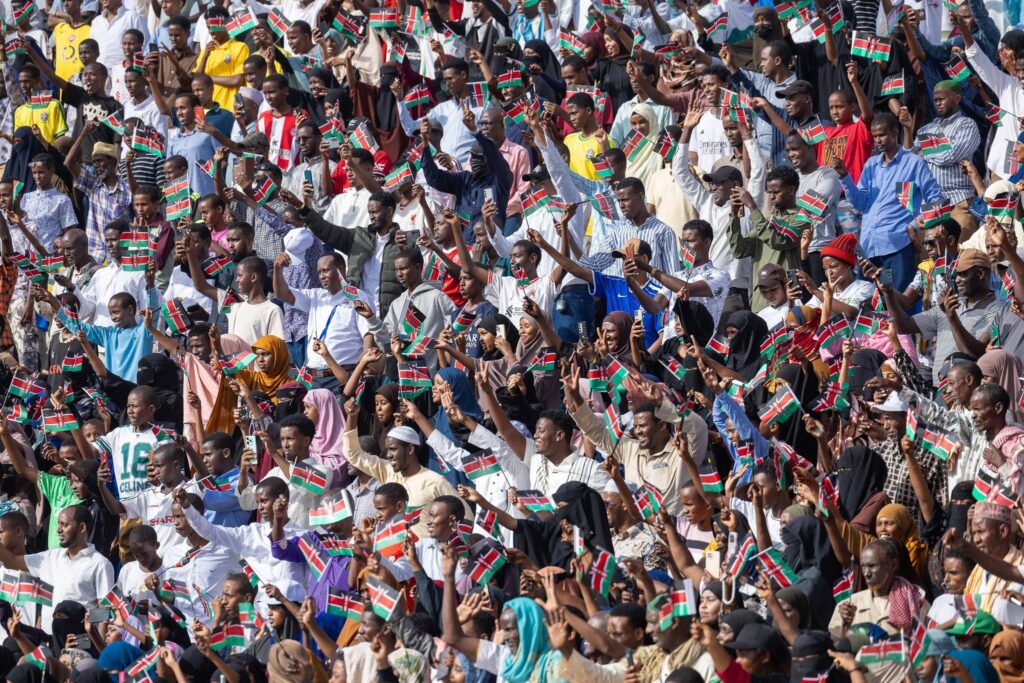
The Madaraka Day celebrations in Wajir marked the first time the national event has been held in the county, underscoring the government’s commitment to integrating Northern Kenya into the country’s broader development and economic transformation agenda.