


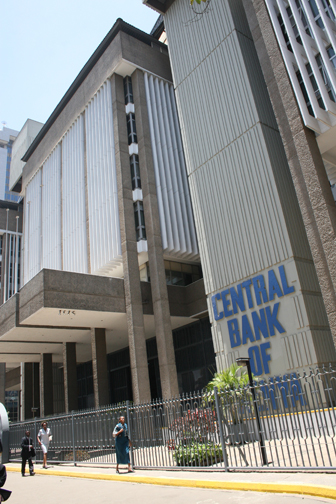
Kenya’s placement on the global financial grey list is beginning to bite, with mounting pressure on the government to tighten anti-money laundering controls or risk deeper economic consequences.
The country was added to the Financial Action Task Force (FATF) grey list earlier this year, placing it under enhanced scrutiny from international financial institutions. Being grey-listed means Kenya is considered a jurisdiction with strategic deficiencies in its anti-money laundering and counter-terrorism financing framework.

What Grey-Listing Means for Kenya
The consequences of remaining on the FATF grey list are far-reaching. International banks and financial institutions are required to apply enhanced due diligence when dealing with transactions originating from grey-listed countries, which slows down cross-border payments, increases compliance costs, and makes foreign investors wary.
Already, some correspondent banks — the international financial institutions that facilitate Kenya’s cross-border transactions — have begun scaling back their relationships with Kenyan banks, a development that could disrupt trade financing and remittance flows.
The Road to Compliance
Getting off the grey list requires Kenya to demonstrate concrete progress on several fronts. These include strengthening the legal framework for combating money laundering, improving the capacity of financial intelligence units, and ensuring effective prosecution of financial crimes.
The government has said it is committed to meeting FATF requirements, but progress has been slower than hoped. Key legislation aimed at addressing the deficiencies is still pending in Parliament, and enforcement of existing laws remains inconsistent.
Stakes Are High
Failure to act swiftly could have serious implications for Kenya’s economy. The country relies heavily on international financial flows, including remittances from the diaspora, foreign direct investment, and trade financing. Any disruption to these channels would ripple through the broader economy, affecting businesses and ordinary citizens alike.
Financial sector experts are urging the government to treat grey-listing as an urgent economic priority, warning that prolonged inaction could erode Kenya’s standing as a regional financial hub.