


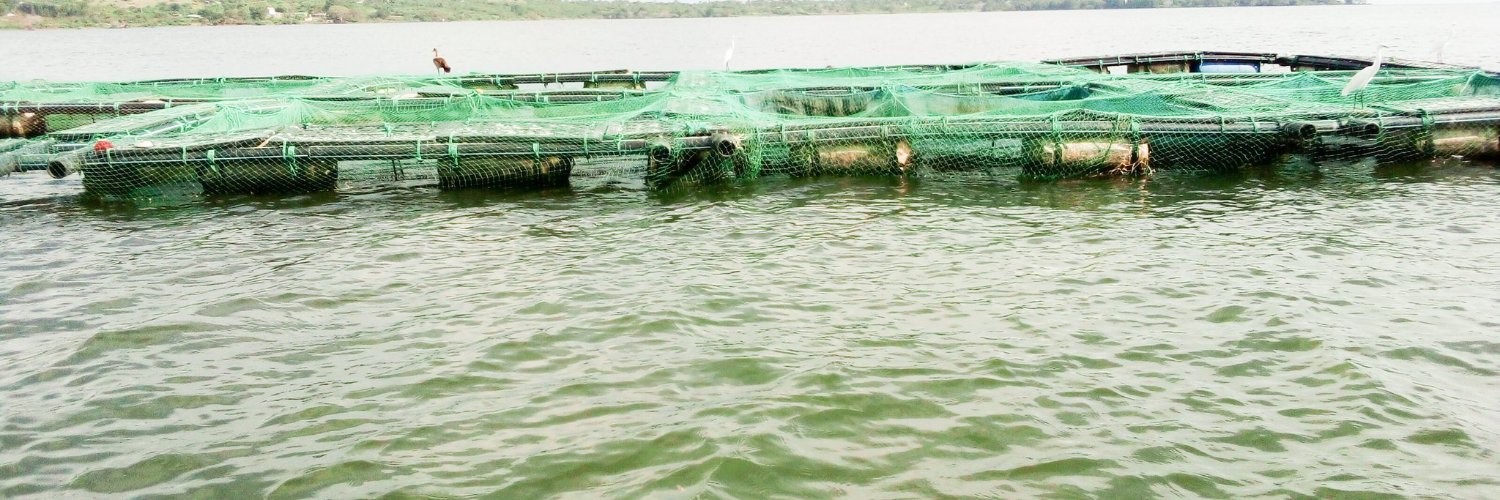
The Lake Victoria Aquaculture Association (LVA Association) has filed a groundbreaking constitutional petition at the High Court of Kenya, challenging the Fisheries Management and Development (Aquaculture) Regulations, 2024. These regulations, issued under Legal Notice No. 126 of 2024, introduce hefty licensing fees and a controversial ad valorem levy on fish landed—a move the Association contends is unconstitutional and threatens the survival of Kenya’s aquaculture industry.

The petition highlights procedural and substantive flaws in the regulations, including inadequate stakeholder engagement and breaches of constitutional principles such as public participation, devolution, and legitimate expectation. The LVA Association argues that the measures, set to take effect on January 1, 2025, are not only burdensome but risk crippling a sector that supports over 100,000 direct jobs and sustains more than 500,000 households.
“Punitive” Regulations Under Fire
Key concerns raised by the LVA Association include:
- Exorbitant Fees: A flat KES 50,000 licensing fee and a 5% ad valorem levy disproportionately impact small and medium enterprises, endangering their survival.
- Lack of Transparency: Stakeholders were excluded from meaningful consultations, with contentious provisions introduced covertly after initial drafts were reviewed.
- Violation of Devolution Principles: The regulations create a parallel licensing regime, undermining county governments and imposing duplicate fees.
- Threats to Food Security: Rising costs are expected to drive local producers out of business, increasing Kenya’s reliance on fish imports and eroding national food security.
Economic and Social Implications
The petition warns that implementing these regulations will have far-reaching consequences:
- Job losses and the collapse of small and medium enterprises across the aquaculture value chain.
- Distorted market dynamics leading to higher fish prices and reduced consumption.
- A rollback of Kenya’s progress as a regional aquaculture hub, damaging its competitiveness on international markets.
“Kenya has made significant strides in establishing aquaculture as a pillar of its Blue Economy,” said Ochieng’ Mbeo, Chairman of the LVA Association. “These regulations threaten to undo that progress, devastate local fish farmers, and undermine food security. We must act now to safeguard the livelihoods of thousands of Kenyan families.”
Constitutional Violations
The LVA Association’s petition asserts that the regulations contravene multiple constitutional provisions, including:
- Article 10: Failure to adhere to transparency, inclusivity, and public participation.
- Article 27: Imposition of discriminatory fees that disproportionately burden small-scale operators.
- Article 43: Undermining citizens’ right to food security.
- Article 174: Encroachment on devolved functions, undermining county governance.
The Association further argues that the fees, effectively functioning as taxes, lack parliamentary approval in violation of the Public Finance Management Act.

Call for Urgent Action
The LVA Association seeks an immediate suspension of the regulations and a directive for their review through a transparent, inclusive process. “We are not opposed to regulation,” Mbeo emphasized, “but it must be fair, equitable, and sustainable. We stand ready to engage the government and other stakeholders to develop policies that support the sector’s growth.”
The petition marks a critical moment for Kenya’s aquaculture sector, as stakeholders await the High Court’s intervention to protect livelihoods, promote economic sovereignty, and ensure a resilient Blue Economy.