


Kisumu-based Kala TV, a broadcasting station located in the Milimani suburbs, has suffered a severe blow after more than 50% of its staff, including hosts, producers, cameramen, and the station manager, resigned due to ongoing issues such as salary delays, poor working conditions, and lack of formal contracts.
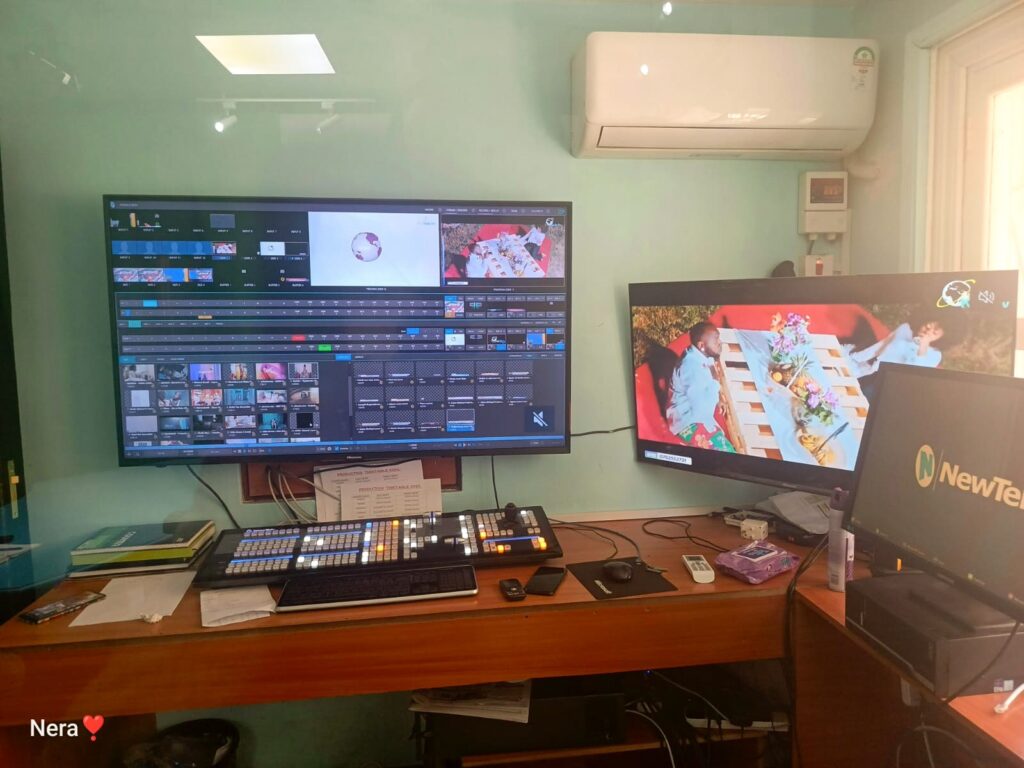
Arnold Ogal, the station’s former manager, who recently stepped down, cited frustrations stemming from mismanagement, unfulfilled promises, and mounting pressure on the staff. He revealed that many journalists were suffering from financial strain, with some even being evicted from their homes due to unpaid wages. Ogal pointed out that the station’s management lacked vision and failed to implement resolutions made during management meetings, creating a chaotic and toxic environment.
“It’s a divide-and-rule situation, with poor communication and no compliance with employee welfare. Employees are being locked out of their rented homes, some are deeply stressed and depressed. The management prefers cheap labor and has no concern for the well-being of its workers,” said Ogal.
Kala TV, which began operations two years ago with 33 employees, is now left with just 15 after 18 staff members quit. Several former employees have now moved to the labor court, accusing CEO Evans Opiyo Angaga of failing to meet his obligations. The staff also revealed that the station fails to comply with tax, health, and insurance regulations, paying its workers via mobile money rather than through formal bank transactions.
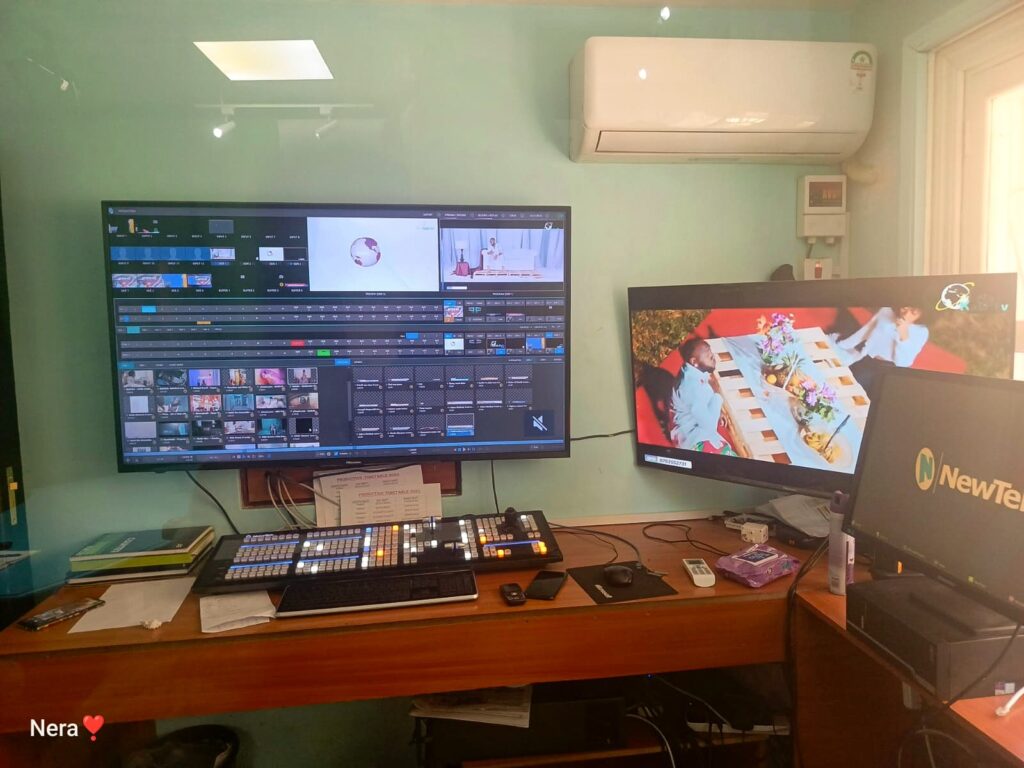
Notable departures include seasoned journalists and media personnel, such as Jesse Omondi, Vincent Aduda, and Sarah Ogada, along with many others in key roles.
Meanwhile, in related news, Lakeside Radio in Homa Bay has seen its presenters down tools over salary delays, calling for a press conference to demand their payments.
Further west, Tandaza FM in Western Kenya has announced its closure due to market volatility and economic hardships, effective March 1, 2025.
The media landscape in the region continues to face significant challenges as both employees and stations grapple with financial instability and poor management practices.