
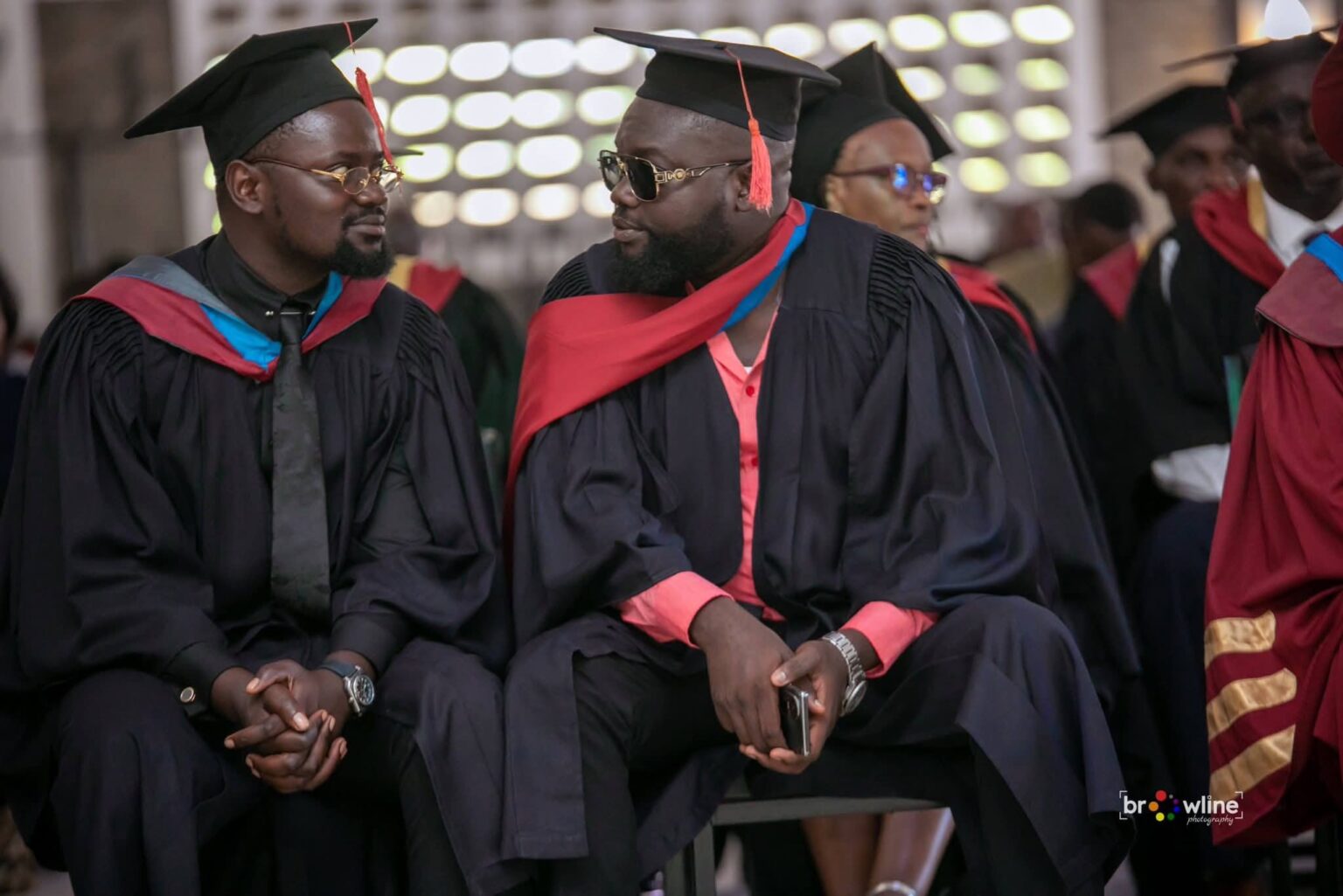

Kenyans have taken to social media with mixed reactions following the graduation of celebrated Ohangla musician Prince Indah, born Evance Ochieng Opiyo, who was awarded a Degree in Innovation and Entrepreneurship during a historic graduation ceremony held by The Africa Talent University (TATU).
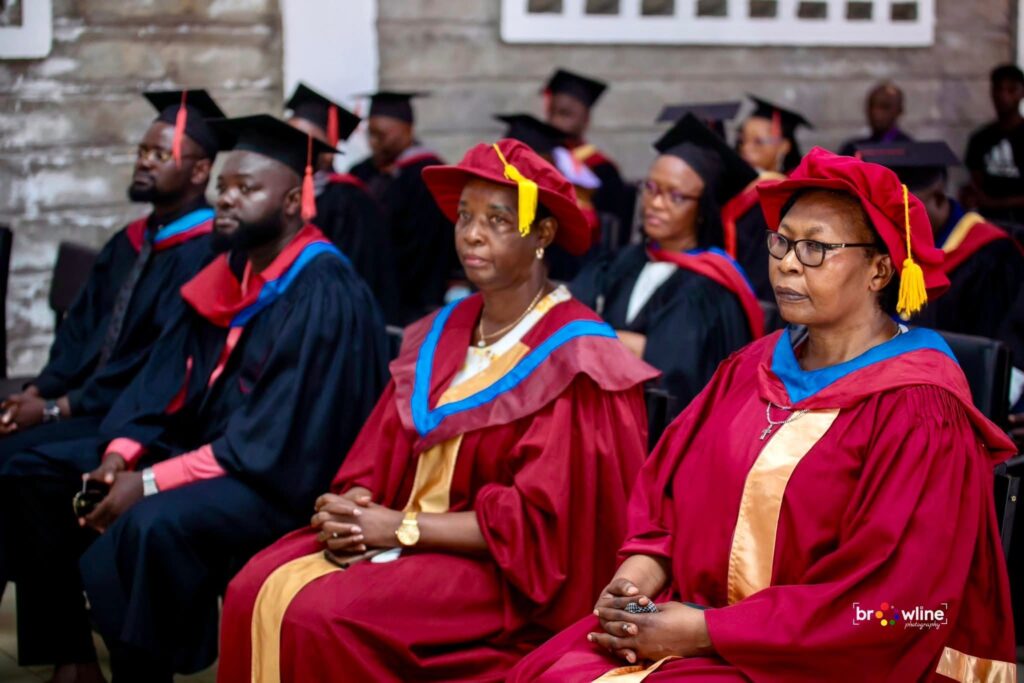
Photos and videos of the musician receiving his degree quickly went viral, triggering debate over the university’s unconventional talent-based education model.
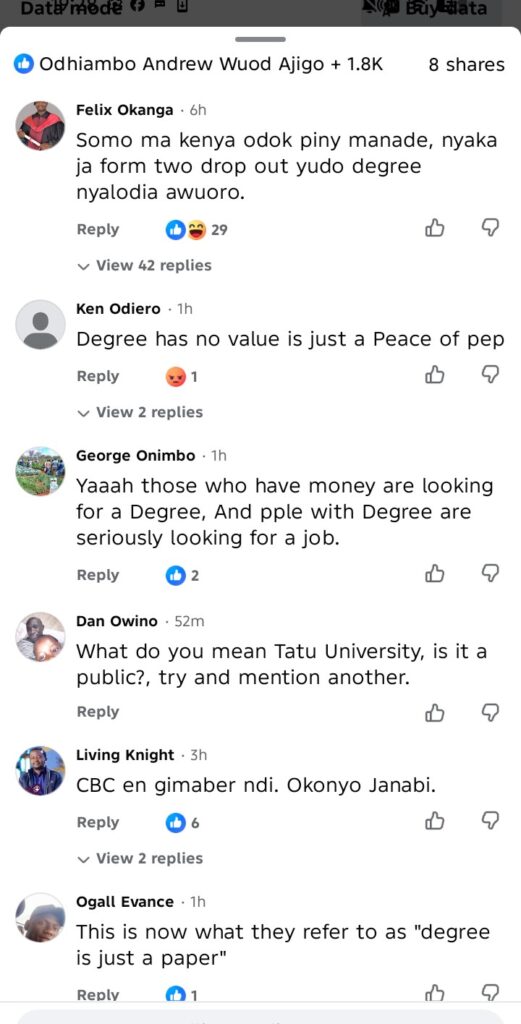
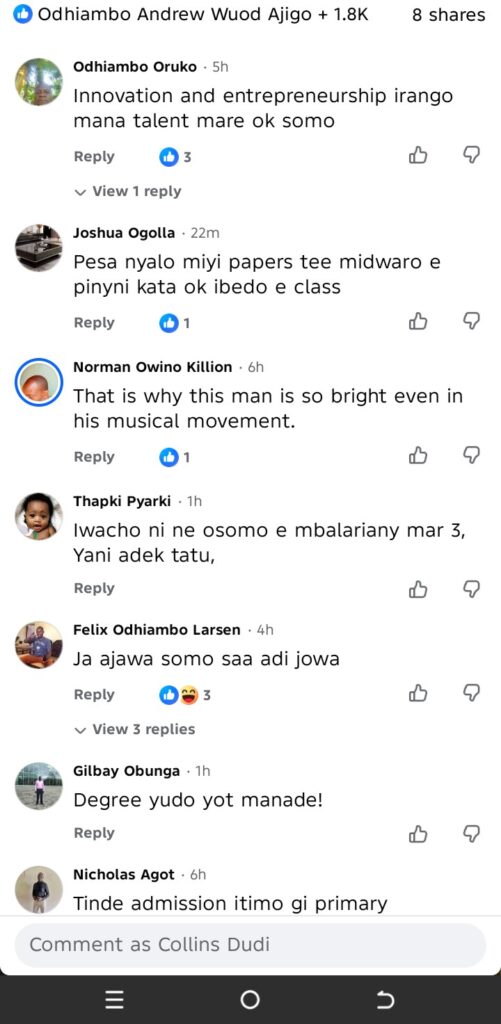
A section of social media users questioned the singer’s academic background, with some claiming that Prince Indah did not complete secondary school and therefore should not have qualified for a university degree. Others wondered how one could attain such a qualification without following the traditional education pathway.
Some critics also attributed the award to the musician’s fame and financial success, arguing that his demanding performance schedule would leave little time for classroom learning. Others questioned the eligibility and accreditation of the institution itself.
However, many fans and supporters rallied behind the Ohangla star, congratulating him for the achievement and describing the recognition as a reflection of his creativity, innovation and contribution to the music industry.
Defending the award, TATU Founder and Secretary-General and Chief Executive Officer of the World Talent Federation, Prof. Humphrey Oborah, said Prince Indah earned the degree through the university’s competency and talent-based assessment system.
“Prince Indah qualifies for a degree in Innovation and Entrepreneurship because he has demonstrated the ability to create value, build a brand, employ people and successfully sustain his profession. That is innovation and entrepreneurship in practice,” said Oborah.
He argued that Kenya’s conventional education system often overlooks innate abilities and practical competencies, insisting that TATU has developed tools, systems and processes capable of identifying and measuring unique talents and skills.
“We can define and quantify the value of what a person can do. We assess competencies, innovation, creativity and demonstrated achievements. These can be translated into academic credits that equate to diploma, degree, master’s and even PhD levels under our Competency-Based Education framework,” he explained.
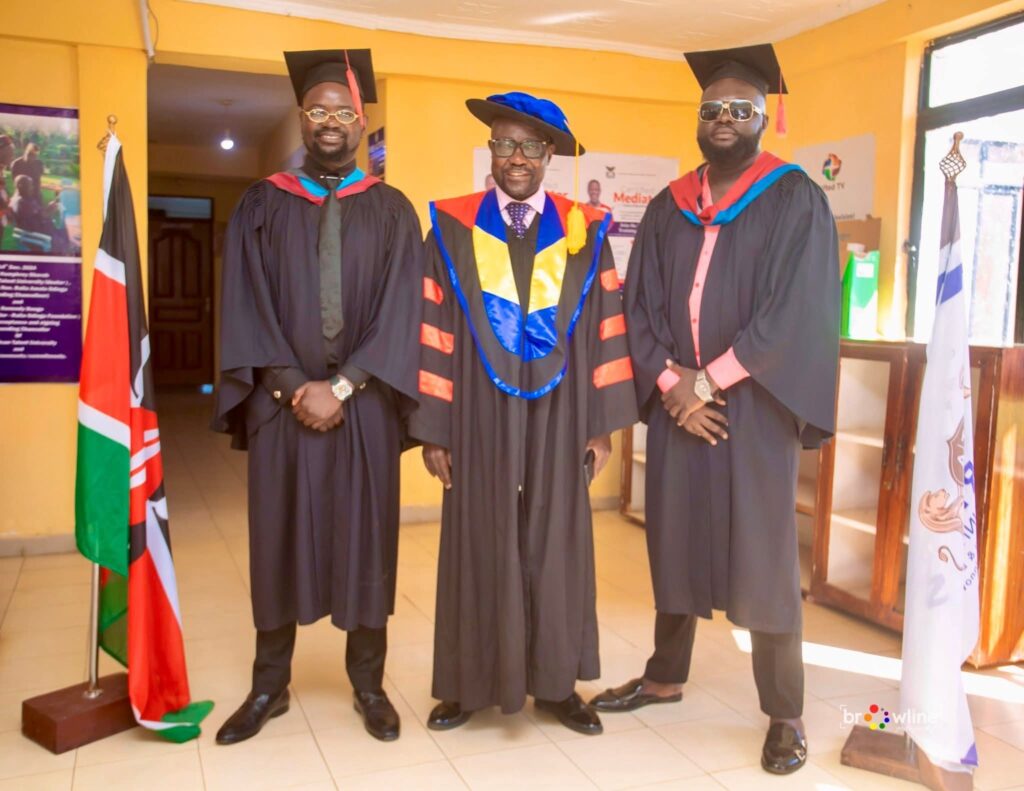
According to Oborah, the university uses what it calls an Anthropo-Biometric Talent Clinic to identify an individual’s capabilities and potential. Unlike conventional universities, TATU does not rely on academic grades for admission.
“We do not admit students based on examination grades. We assess talent, generate a talent report and prescribe an educational pathway based on a person’s demonstrated abilities and achievements,” he said.
Oborah noted that the institution is already implementing the Competency-Based Curriculum (CBC) and Competency-Based Education (CBE) models, which place greater emphasis on practical skills and measurable competencies rather than examination performance alone.
The university recently received an Interim Charter through a Letter of Interim Authority issued by Education Cabinet Secretary Dr. Julius Ogamba in May 2026, marking a major milestone after more than two decades of efforts by the institution’s founders to secure official recognition.
More than 80 graduates were conferred with degrees during the June 5 ceremony, which education experts described as one of the most innovative graduations witnessed in Africa.
Among those who graduated was renowned film producer Daudi Anguka, who is also pursuing further studies and is nearing completion of a master’s degree.
The graduation has reignited national debate on the future of higher education in Kenya, with supporters arguing that talent and demonstrated competence deserve recognition, while critics insist that academic qualifications must remain anchored on conventional educational pathways.
Here are some of the screengrabs from facebook comments…