


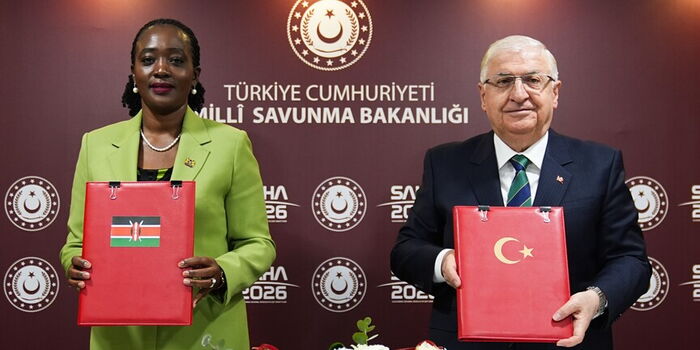
Kenya has signed a defense cooperation agreement with Türkiye, deepening military ties between the two nations just months after Nairobi acquired Turkish-made drones to boost its surveillance capabilities.
Defense Cabinet Secretary Soipan Tuya met her Turkish counterpart Yaşar Güler to formalize the agreement, which covers training, equipment sharing, and joint security operations. The deal marks a significant shift in Kenya’s defense partnerships beyond traditional Western allies.
What the Agreement Covers
The defense pact outlines cooperation in several areas including military training, intelligence sharing, and counter-terrorism operations. Türkiye has been expanding its defense footprint across Africa in recent years, with Kenya becoming the latest partner nation on the continent.
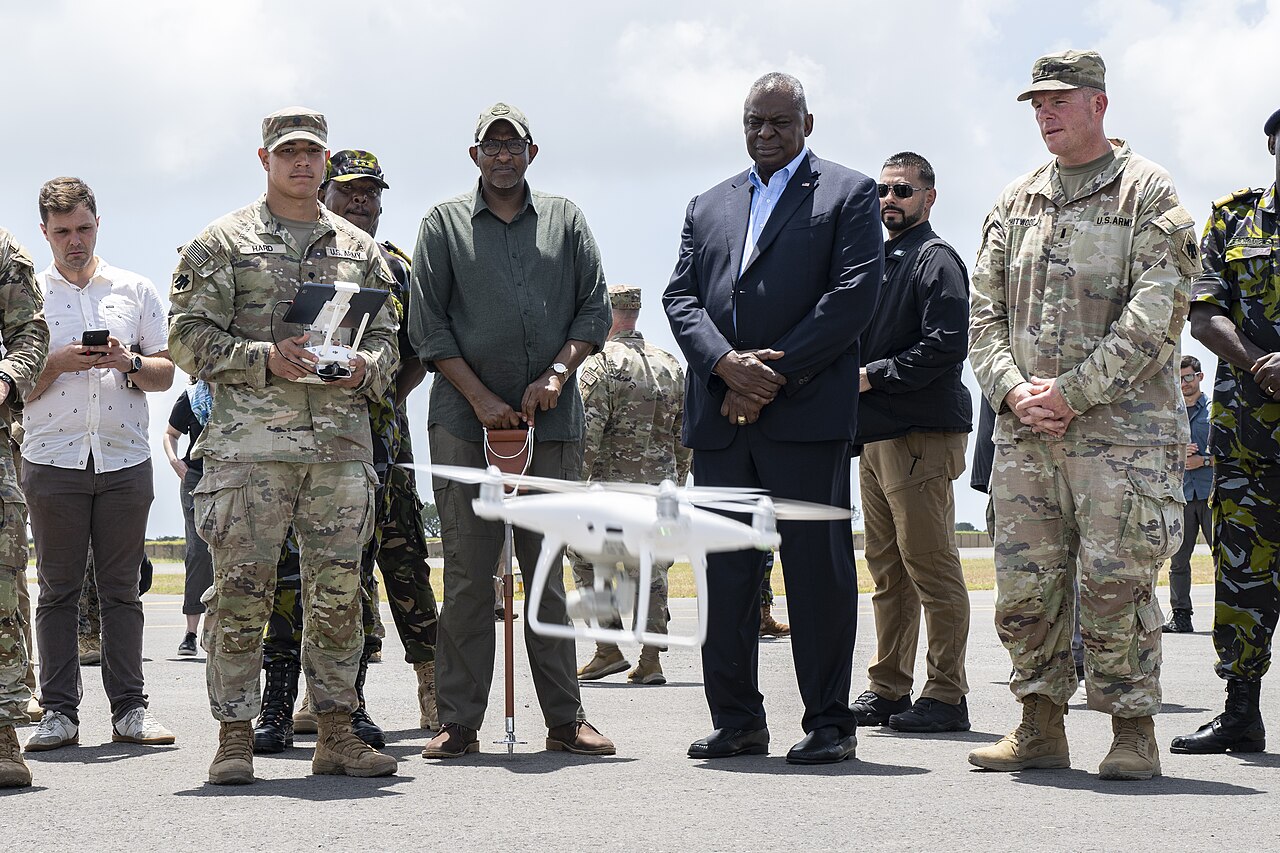
The agreement builds on an earlier procurement deal where Kenya acquired Bayraktar TB2 drones from Turkish manufacturer Baykar. The drones have been deployed to bolster border surveillance and anti-terrorism operations, particularly along the Somalia frontier.
A Strategic Pivot
This partnership signals Kenya’s willingness to diversify its defense sourcing. For decades, the Kenya Defense Forces have relied heavily on equipment from the United States, United Kingdom, and China. Türkiye offers competitive pricing and fewer conditionalities attached to arms sales.
Türkiye has been actively courting African nations through defense agreements, trade missions, and development assistance. The country’s drone technology has proven effective in several conflict zones, making it an attractive option for African militaries looking to modernize their capabilities.
Regional Security Implications
The enhanced defense cooperation comes at a time when Kenya faces multiple security challenges, including the Al-Shabaab threat in the east and instability along the South Sudan and Ethiopia borders. The Turkish drones are expected to enhance real-time intelligence gathering in these volatile areas.
Defense analysts say the deal could also have economic benefits, with potential for technology transfer and local assembly of military hardware in the long term.