

As the world marks Autism Awareness Month this April, calls are intensifying for the government and local communities to implement inclusive education systems that cater to children with autism. Advocates argue that integration into mainstream schools must become a national priority if children with autism are to reach their full potential.
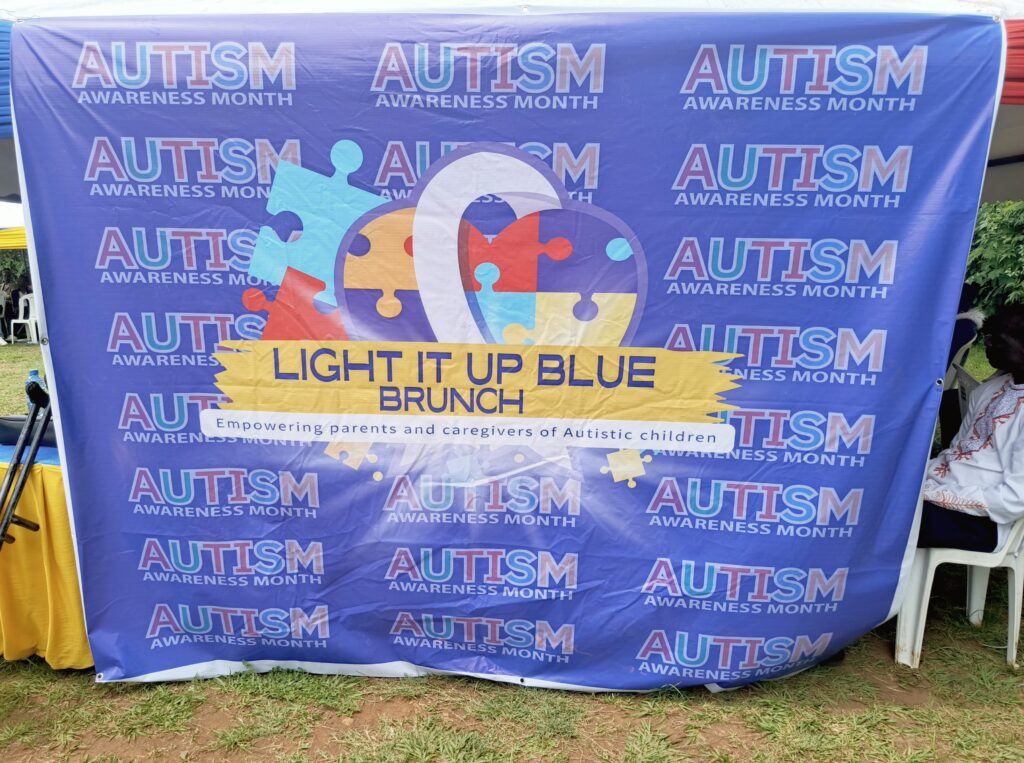
Speaking during an awareness campaign in Kisumu, Dr. Lola Molla of the Jaramogi Oginga Odinga Teaching and Referral Hospital emphasized the transformative power of inclusive education. She stated that allowing autistic learners to study alongside their peers significantly boosts their academic progress and social development.
“This step will lead to the children learning faster because they’re having the opportunity to interact and grow on a team with other people,” said Dr. Molla, an autism advocate and founder of the Light It Up Blue Brunch Foundation.
Beyond the classroom, Dr. Molla also urged the Ministry of Education to champion policies that promote inclusion. She further called for the introduction of special medical and life insurance coverage tailored to the unique needs of people with autism.
“It’s expensive to get help for autism, and many families are having trouble paying for the treatments and therapies that their children need,” she added, pointing to the financial strain faced by many caregivers.
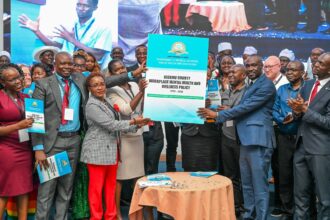
The Kisumu event drew over 80 parents and caregivers of children with autism, offering a vital space to deepen understanding of the condition and advocate for change. The campaign is part of a global movement highlighting the importance of early intervention, supportive services, and societal acceptance for people on the autism spectrum.
As April unfolds, the spotlight remains firmly on inclusion — with stakeholders across the country urging both policy shifts and societal support to ensure that no child is left behind.