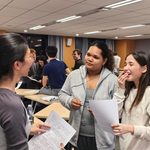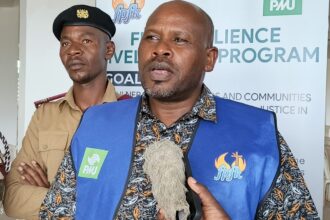


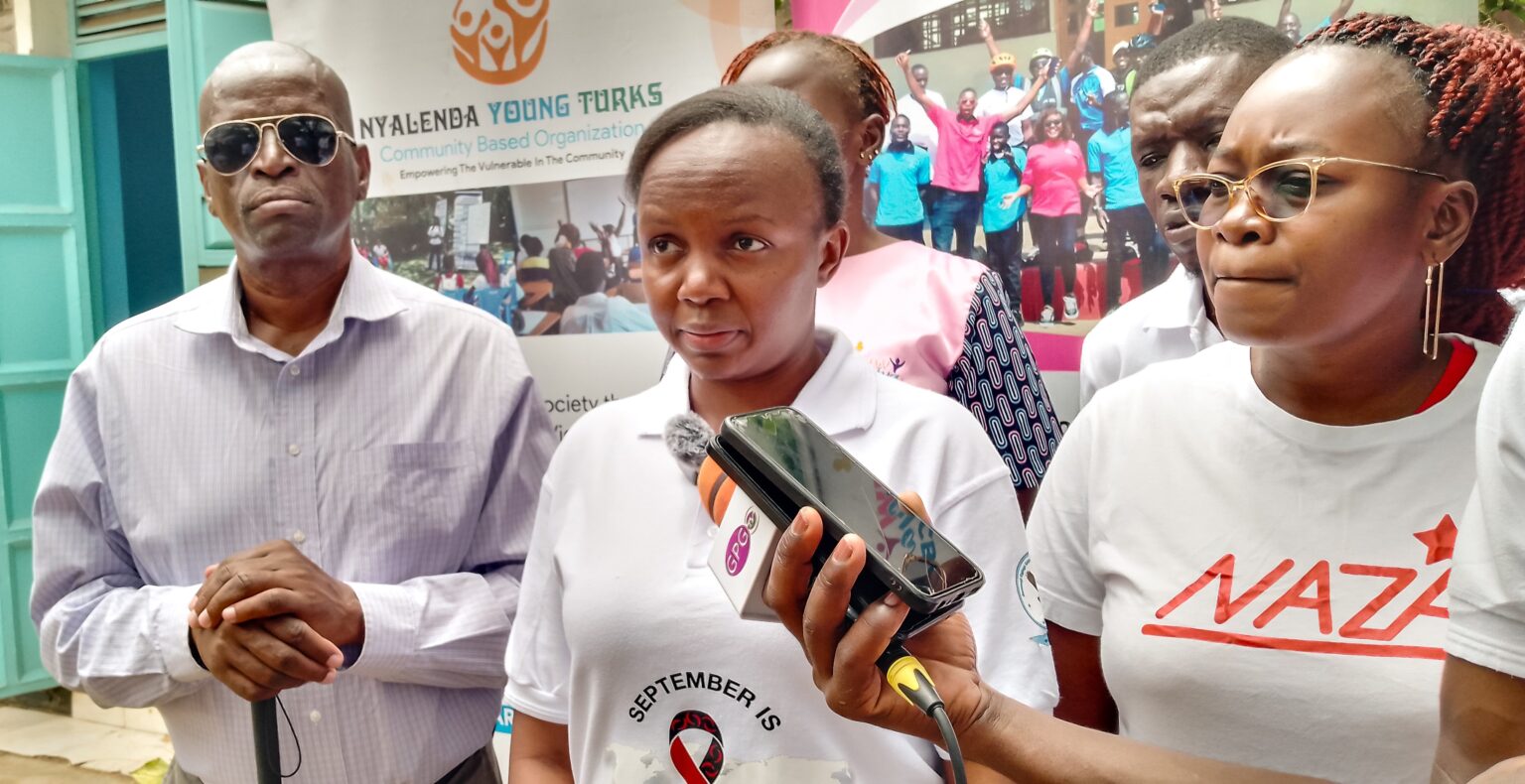
Kisumu joined the world in marking Sickle Cell Awareness Month on Friday with a luncheon that brought together more than 100 warriors, caregivers, and medical experts to highlight progress in treatment and advocacy.

Speaking at the event, Zuwi Afya CBO founder Lily Webala reaffirmed that health remains the organization’s core priority, with sickle cell disease at the center of its interventions.
“We focus on health as our main thematic area, and under that scope we cover sickle cell disease. Today we have planned a luncheon for the sickle cell warriors and their caregivers because September marks Sickle Cell Awareness Month,” Webala said.
She added that Zuwi Afya currently supports 660 warriors with free medication through a partnership with Jaramogi Oginga Odinga Teaching and Referral Hospital (JOOTRH). Beyond treatment, the group also runs income-generating projects such as flour and yoghurt production to empower patients economically.
A moving highlight came from Mitchel Omulo, a 32-year-old filmmaker and chef, who shared his journey as the first person in Kisumu to undergo automated red blood cell exchange at JOOTRH’s Victoria Annex.
“I am a sickle cell warrior. I had a mild stroke, which is why I was chosen for the procedure. At first, I was scared, but the process took only one hour and 24 minutes, with no complications. I will be undergoing the procedure every four months, and it gives me hope to live a healthier life,” Omulo said.
Medical experts used the platform to shed light on the burden of the disease. Dr. Joy Muyonga, a pediatrician at JOOTRH, revealed that since 2021 more than 32,000 newborns have been screened, with 2% testing positive for sickle cell and 18% identified as carriers.
“In western Kenya, prevalence stands at about 4.5%. At our clinic, we see 40 children every week, and in the wards, a third of the 80-bed capacity is occupied by sickle cell patients,” Dr. Muyonga said.
She highlighted recent advances, noting the hospital’s new automated red blood cell exchange machine, which significantly reduces painful crises and improves quality of life.
“While transfusions are a stop-gap measure, the only known cure remains bone marrow transplant and gene therapy. Nairobi West Hospital is the first in Kenya to offer bone marrow transplant for those who need it,” she said.
This year’s global theme, “Global Action, Local Impact: Empowering Communities for Effective Self-Advocacy”, underscored the need for collective efforts in education, screening, treatment, and empowerment of those affected by the disease.