

As Kenya celebrates 20 years since the enactment of the Disability Act, People Living with Disabilities (PWDs) have called on the government to address the persistent gaps in healthcare access, employment, and social inclusion. Speaking during regional celebrations held in Kisumu on Friday, November 22, leaders, caregivers, and activists voiced their concerns while reflecting on achievements and ongoing challenges.

George Odhiambo, the Nyanza Regional Director for the National Council for PWDs, highlighted the progress made since 2003 but emphasized the need for more effort.
“Today, we are celebrating 20 years of disability inclusion in Kenya. While we have seen significant achievements—such as tax exemptions for PWD-owned businesses, scholarships for PWD children, and improved mobility support—challenges remain. For instance, only 3% of PWDs are employed, far below the 5% minimum target,” Odhiambo stated.
He added that physical infrastructure remains a barrier, especially in schools and public transport.
“Toilets in many schools are not disability-friendly, and public transport is still inaccessible. We are working closely with NTSA to ensure matatus are more inclusive,” he said.
Caregivers Share Healthcare Struggles
The introduction of the Social Health Insurance (SHI) and Social Health Assistance (SHA) schemes has drawn sharp criticism from caregivers who say the programs are ineffective. Violet Oyombe, a caregiver for her daughter with cerebral palsy, recounted her struggles under the current system.
“I used to take my daughter for therapy at JOOTRH (Jaramogi Oginga Odinga Teaching and Referral Hospital), but since SHA came in, I was told to start at a Level 2 facility. After following the referral process, I was informed the services were unavailable and had to pay in cash,” Oyombe said.

She noted that therapy costs are unaffordable for many caregivers, forcing some to stop treatment.
“We are asking the government to assist us. The SHA program is failing, and occupational therapy is inaccessible. The benches are empty because parents can’t afford the costs,” she lamented.

Caroline Akinyi, a parent of a child with hydrocephalus, echoed similar frustrations.
“We need physiotherapy three times a week, but SHA isn’t working. Medication fees have increased, and the services we depended on under NHIF are no longer available. The government should either fix SHA or return NHIF,” she urged.
Advocates Call for Inclusion
Ezekiel Aluoch, Coordinator of the Gifted Hearts and Hope Foundation, a Kisumu-based NGO, stressed the need for societal inclusion of PWDs.
“PWDs are an untapped resource in this country. They are technically abled differently and can significantly contribute to society if given opportunities. However, many are excluded from programs and jobs. Social inclusion must be a collective responsibility,” Aluoch stated.
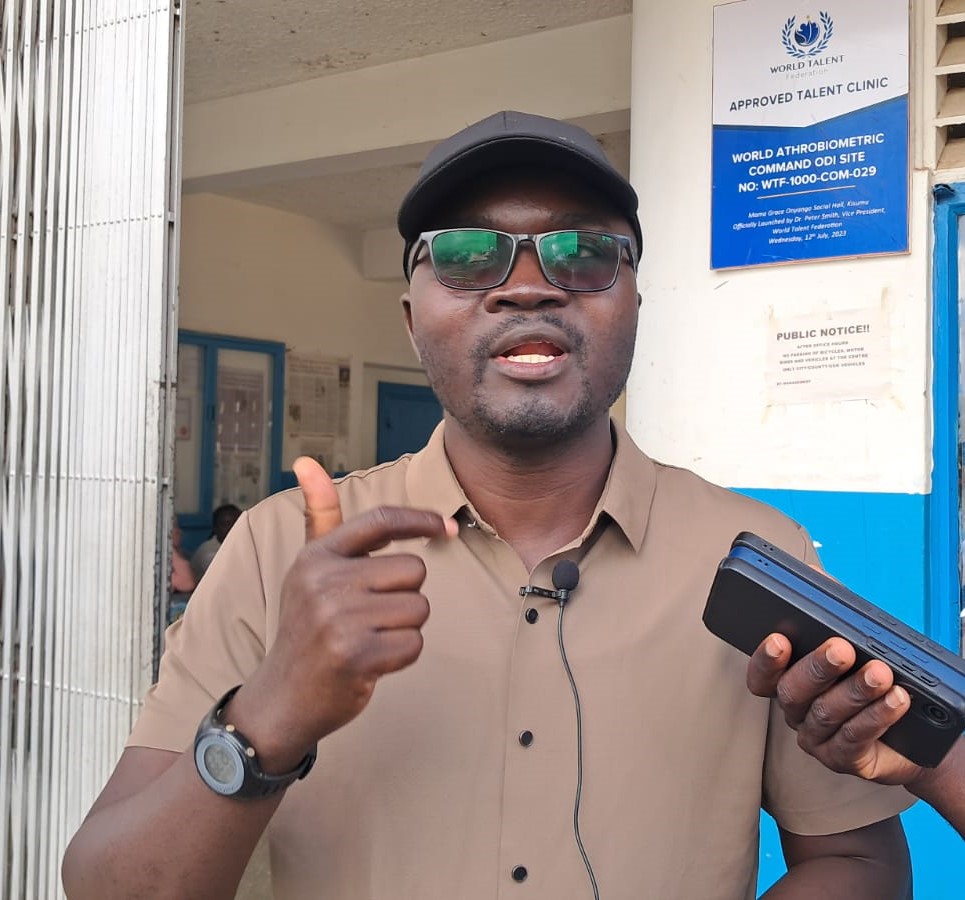
He applauded the government for organizing the 20th-anniversary celebrations but called for action to match rhetoric.
“We must empower PWDs and ensure justice and equality. This isn’t just a celebration; it’s a moment to voice the gaps and demand solutions,” he added.
Way Forward
As the regional celebrations continue across all 47 counties, the findings and recommendations will be presented at a national event on November 28 in Nairobi. Stakeholders hope this milestone will inspire actionable steps to bridge the remaining gaps in disability inclusion and support.

The message from Kisumu is clear: PWDs are calling for more than recognition—they demand equal opportunities, accessible services, and a healthcare system that prioritizes their needs.