

Leaders in Nyanza have strongly opposed the proposed mandatory Sh3,000 feeding fee for junior school pupils, warning that the levy is illegal, punitive and places an unbearable burden on parents, particularly in rural areas.

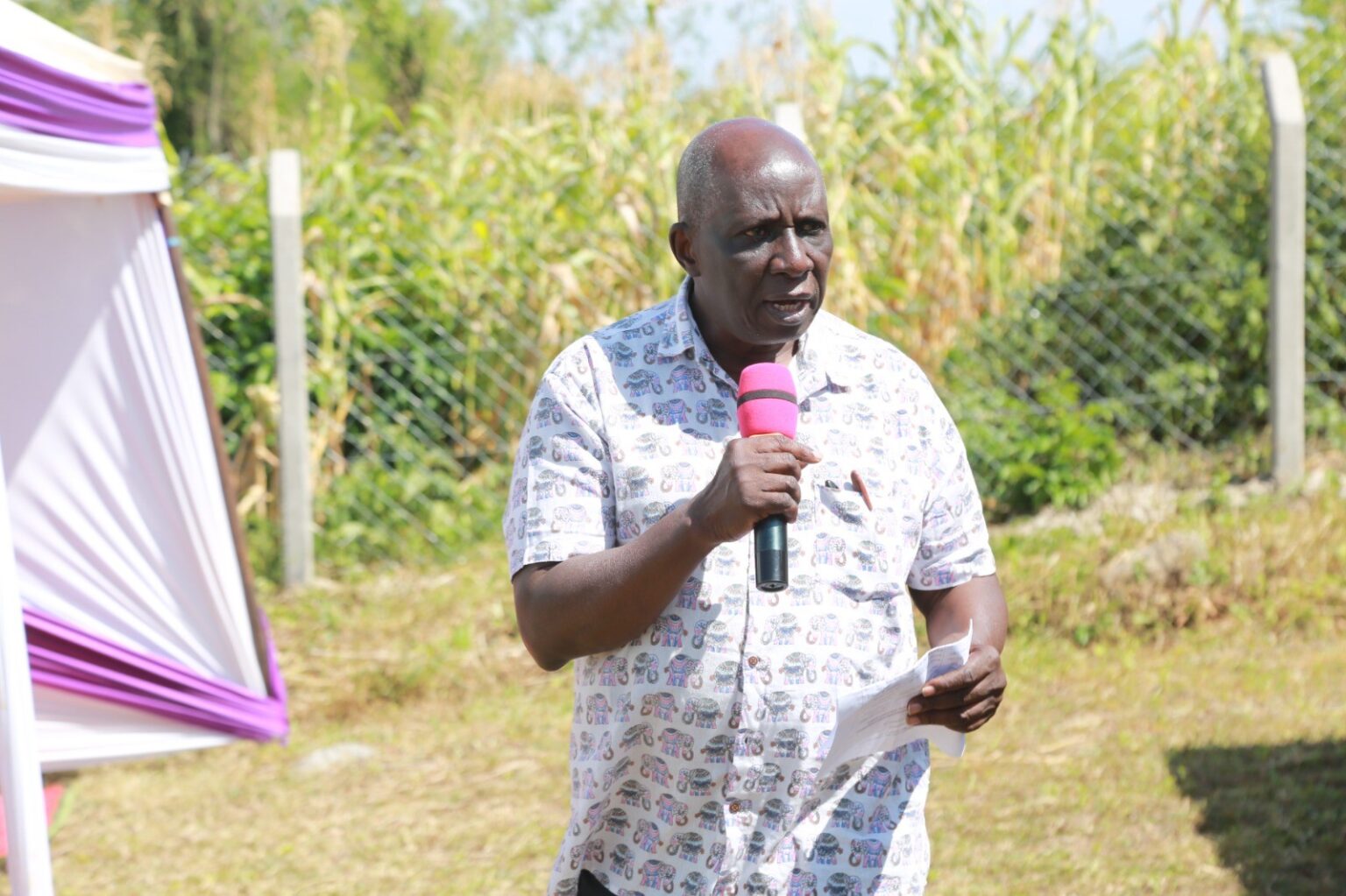
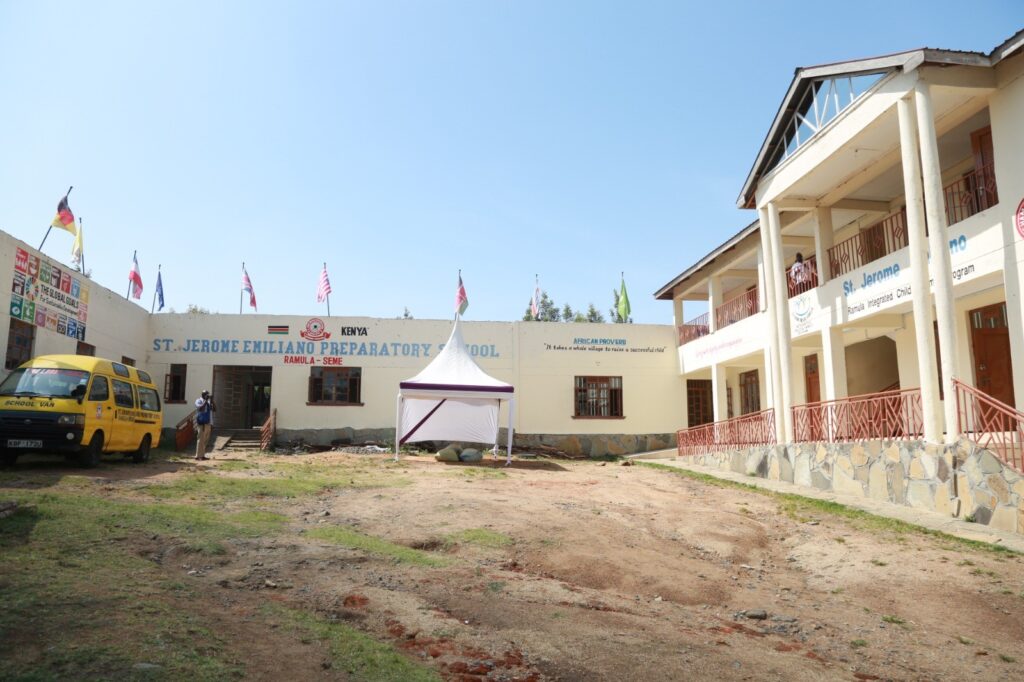
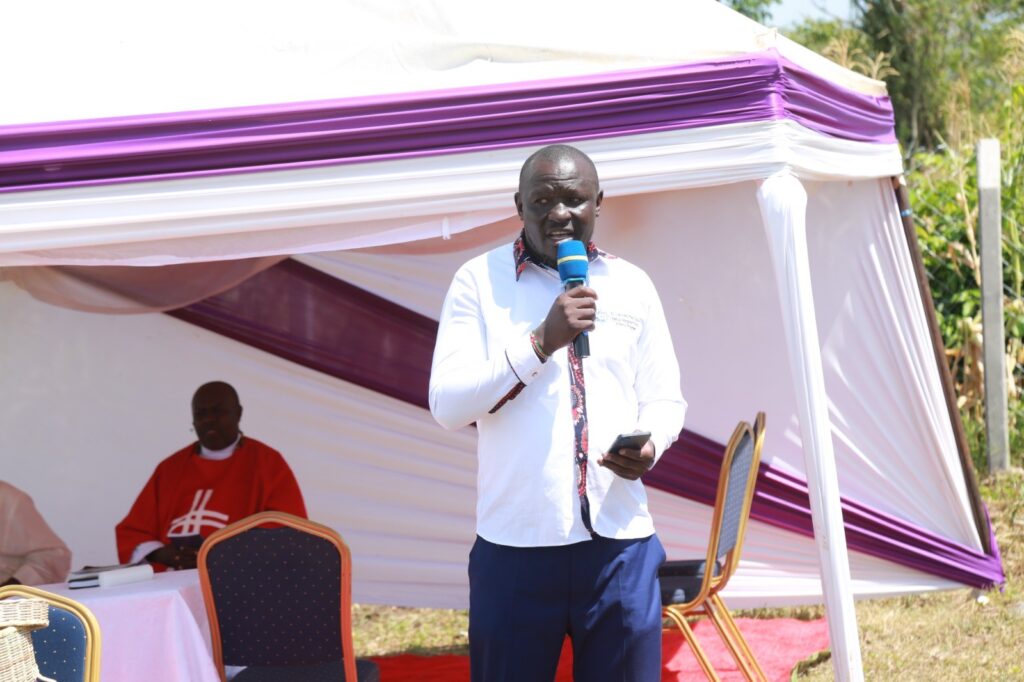
Speaking during a Thanksgiving ceremony at St. Jerome Emiliano Preparatory School in Seme on Saturday, Seme Member of Parliament James Nyikal said legislators will raise the issue in Parliament when sittings resume, describing the fee as ill-timed and insensitive to the economic realities facing families.
Nyikal noted that the proposal was introduced shortly before Parliament went on recess and had not been adequately scrutinised.
“This levy will only deepen the crisis for parents who are already struggling. The same households have children in junior schools, secondary schools and universities. Capitation in secondary schools and the new university funding model are not working well, forcing parents to dig deeper into their pockets. Adding Sh3,000 per child is unacceptable,” Nyikal said.
He added that MPs will demand clarity from the Ministry of Education on the legal basis of the levy and push for its immediate withdrawal.
Echoing the MP’s sentiments, Elly Opondo, a volunteer director at St. Jerome Emiliano Preparatory School, said the proposed fee is unrealistic for ordinary wananchi, many of whom have five to six children enrolled in junior or primary schools.
“For a parent with six children, this translates to Sh18,000. That is simply too much. If enforced, children will either be sent home to look for money or end up crying under trees while others eat and continue learning,” Opondo said.
He said the institution will support parliamentarians in pushing for the abolition of the mandatory lunch programme, warning that it risks widening inequality and disrupting learning for vulnerable pupils.
As the school marked its fifth anniversary, Opondo revealed that the institution currently runs three key programmes: nutrition, education support and community empowerment, benefiting about 250 children drawn from both public and private schools.
Under its school feeding programme, between 240 and 280 children from the preparatory school and two neighbouring institutions receive a hot lunch five days a week. The programme, he said, costs between Sh40 and Sh45 per child per day, translating to about Sh8,846 annually per learner and a total annual budget of approximately Sh2.3 million.
The initiative is fully supported through donations from individuals, corporates and well-wishers in Kenya and abroad.
“Big impact can be achieved through low-cost donations. It only takes less than a dollar to feed a hungry child,” Opondo said.
The feeding programme was launched five years ago after members of the Asian community mobilised resources and donated more than Sh300,000 in appreciation of Opondo’s role in promoting peaceful coexistence during post-election unrest. His family later donated land that now hosts the centre, which is on course to produce its first Grade Six class in 2026.
Beyond education and nutrition, the centre runs a girls’ empowerment programme targeting teenage mothers, offering tailoring and vocational skills training, as well as a scholarship scheme for bright but needy learners.
Opondo also disclosed that a level three health facility being developed at the Ramula centre in Seme is expected to become operational by February–March 2026. The facility will provide affordable healthcare services to local residents.
With education, nutrition and health needs rising, Opondo appealed to well-wishers to continue supporting community-driven initiatives, saying non-state actors remain critical partners in complementing government efforts.