

Nike has officially opened its first flagship store in East Africa, setting up shop in Nairobi in a move that signals the global sportswear giant’s confidence in Kenya’s growing consumer market.
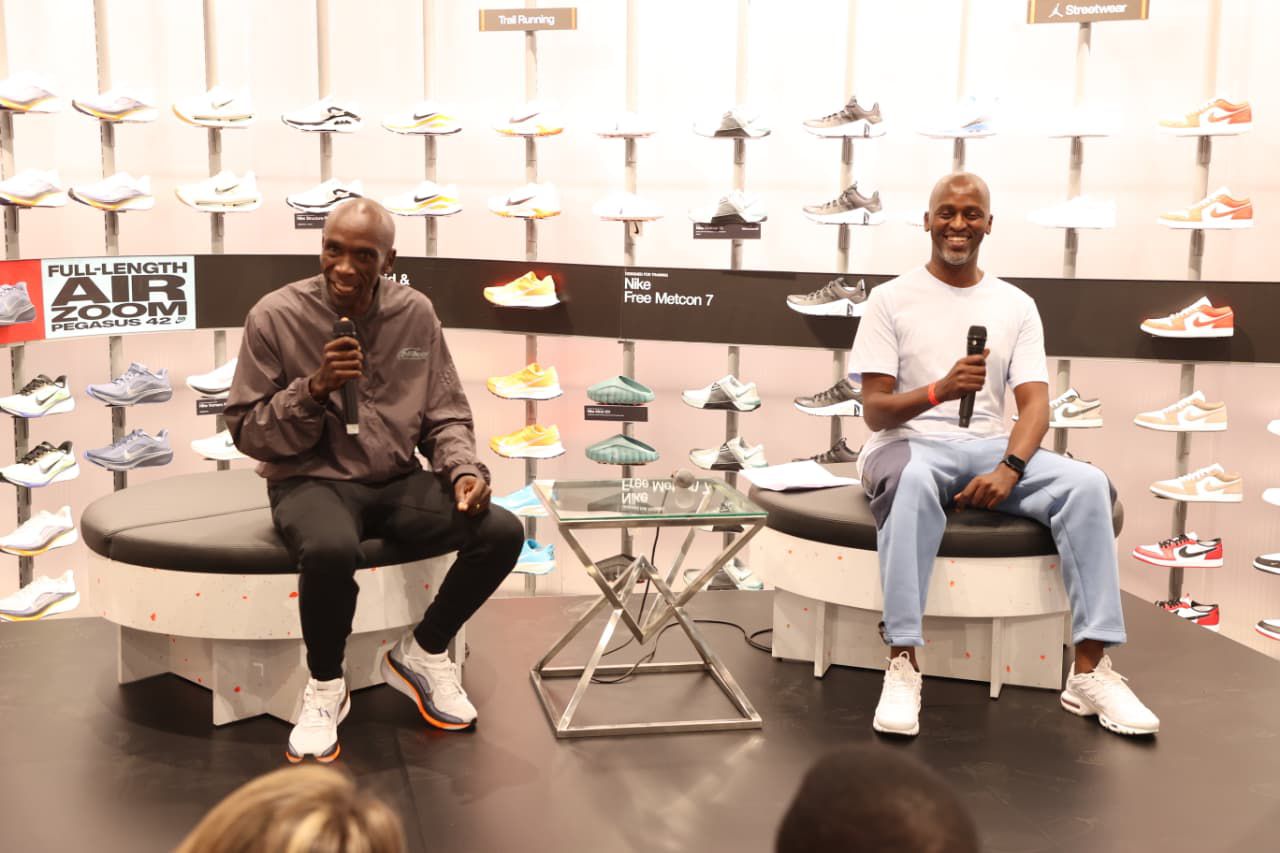
The store, which launched on Wednesday, was graced by marathon legend Eliud Kipchoge, who hailed the opening as a milestone for athletes and sports enthusiasts across the region. Kipchoge, a long-time Nike ambassador, said the store would give Kenyan runners and fitness lovers easier access to world-class sports gear.

A Strategic Bet on East Africa
The Nairobi outlet marks Nike’s first physical retail presence in the East African region, a market that has traditionally been served through third-party distributors and online orders. The decision to set up a direct retail operation reflects the company’s broader strategy to expand its footprint across emerging markets in Africa.
Kenya’s vibrant running culture and growing middle class make it a natural entry point for the brand. The country produces some of the world’s finest distance runners, many of whom already compete in Nike footwear on the global stage.
Kipchoge’s Endorsement
Kipchoge, who has won multiple Olympic gold medals and famously broke the two-hour marathon barrier wearing Nike shoes, described the store opening as a game-changer for local athletes.
“This is more than just a store. It is a statement that Kenya matters in the global sports ecosystem,” Kipchoge said at the launch event. “Young athletes across the country will now have access to the same gear used by champions.”
What Shoppers Can Expect
The flagship store will stock Nike’s full range of performance footwear, apparel, and accessories. Customers can also expect exclusive product launches and personalized services, including gait analysis for runners looking to find the right shoe.
The opening comes at a time when international brands are increasingly looking at Africa as the next frontier for retail growth. With a youthful population and rising urbanization, Kenya offers a compelling market for global consumer brands willing to invest in physical retail infrastructure.