


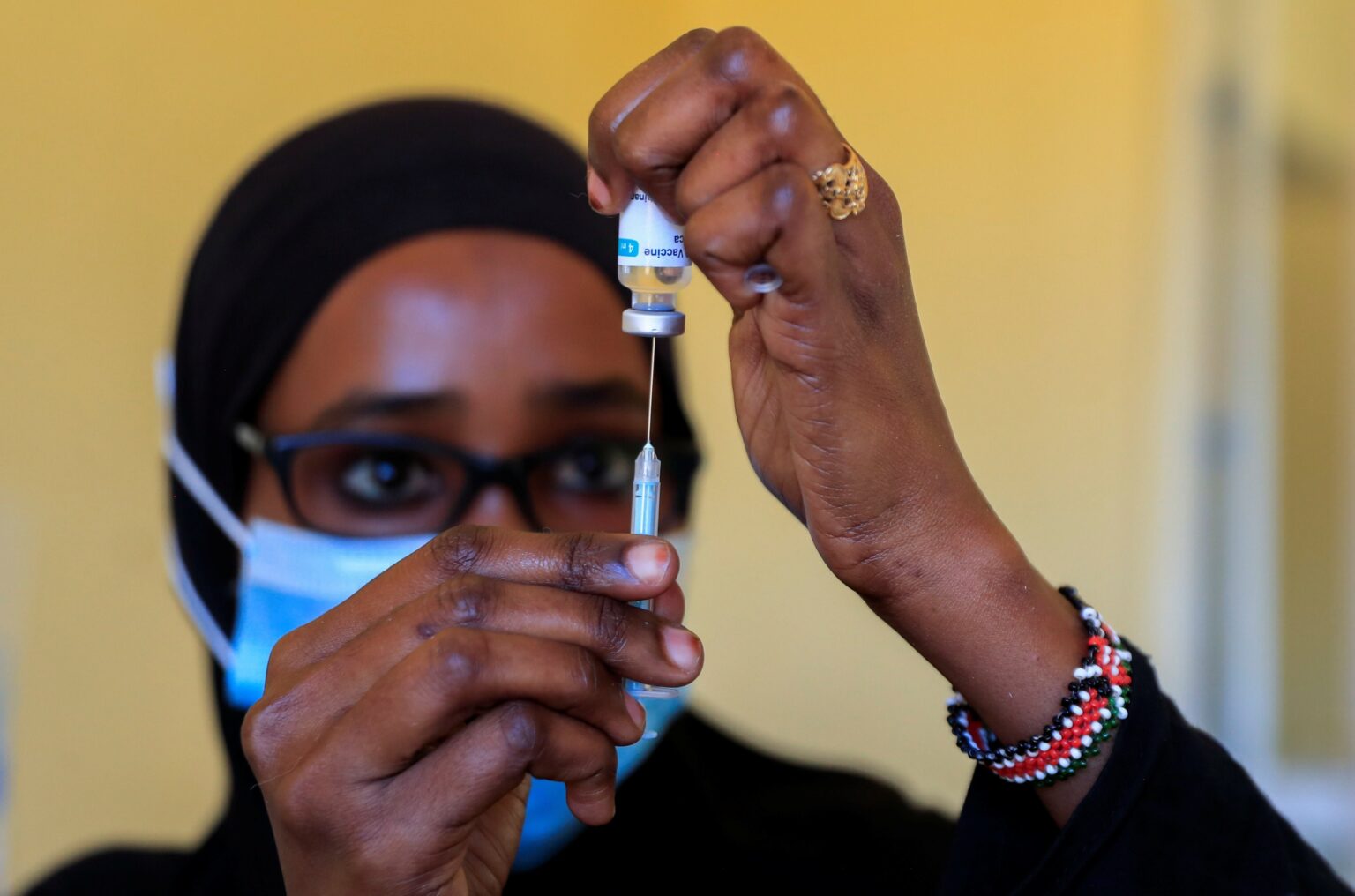
Vaccine hesitancy, defined by the World Health Organization (WHO) as the reluctance or refusal to vaccinate despite vaccine availability, is a persistent issue in Kenya, driven by myths, misinformation, religious beliefs, and political interference.
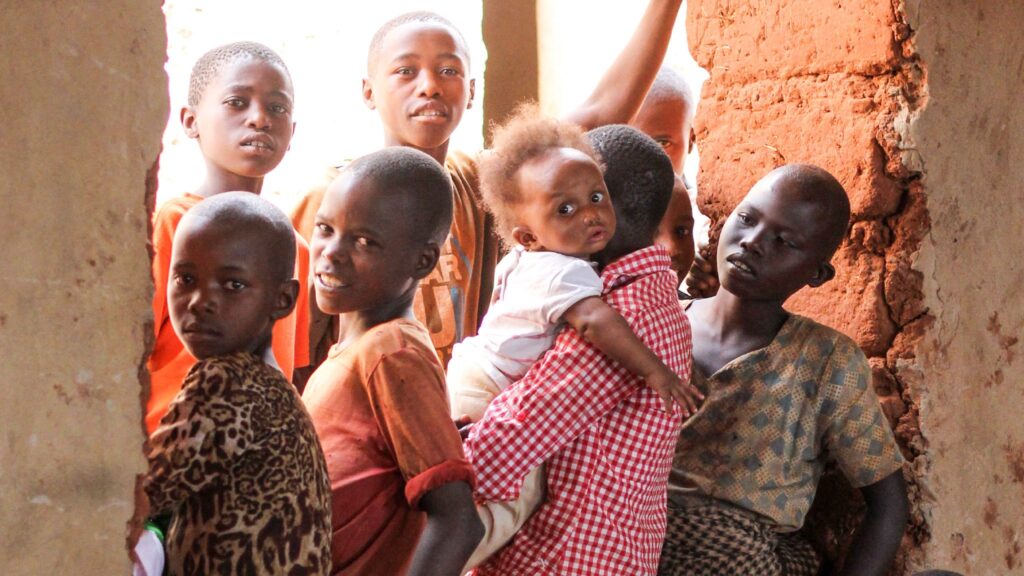
The HPV Vaccine Controversy
When cervical cancer cases surged, the Ministry of Health introduced a nationwide campaign to vaccinate girls aged 10-15 against the Human Papillomavirus (HPV), a leading cause of the disease. However, this initiative faced fierce opposition from groups like the Kenya Catholic Doctors Association, citing concerns over side effects and questioning the logic of vaccinating non-sexually active girls against a sexually transmitted virus. Similar resistance came from indigenous churches opposing childhood vaccination schedules due to their religious convictions. Despite these challenges, the government continues its fight against such regressive attitudes.
COVID-19 and the Fear Factor
The global outbreak of COVID-19 brought vaccine hesitancy to the forefront once again. With AstraZeneca and Pfizer vaccines introduced to curb the virus, many Kenyans were skeptical, fueled by misinformation. A popular myth claimed the vaccine could impair male fertility, creating widespread fear. The Ministry of Health, led by the former Health Cabinet Secretary alongside Dr. Patrick Amoth and Dr. Anne Mwangangi, worked tirelessly to debunk these myths, helping to mitigate resistance.
Livestock Vaccination Sparks New Concerns
The government’s plan to vaccinate millions of livestock against Foot and Mouth Disease and Peste des Petits Ruminants (PPR) has also met resistance. Announced by President William Ruto during the Maa Cultural Festival in Samburu, the program aims to protect 22 million cattle and 50 million goats and sheep, securing both national and international markets for livestock products.
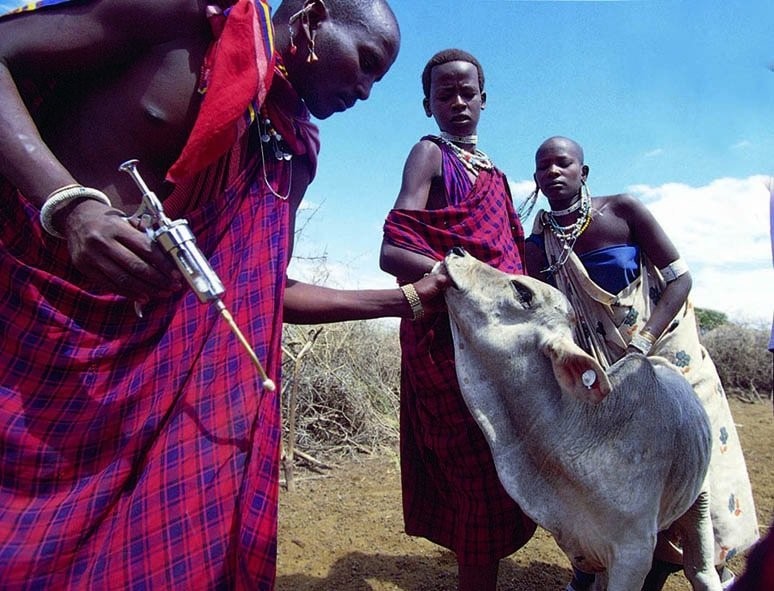
However, opposition figures like Wiper leader Kalonzo Musyoka and Narok Senator Ledama Ole Kina have urged farmers to reject the vaccine, citing unverified claims of genetic alteration in animals. Many livestock farmers remain hesitant, highlighting the enduring challenge of combating misinformation.
Bridging the Gap
Even as WHO prepares to establish a regional vaccine distribution hub at Kenyatta University, gaps in public sensitization threaten progress. Without targeted efforts to address myths and educate communities, vaccine hesitancy will continue to undermine public health initiatives and economic potential.
Kenya’s struggle with vaccine acceptance is far from over, demanding consistent efforts in public education, trust-building, and tackling misinformation head-on.