


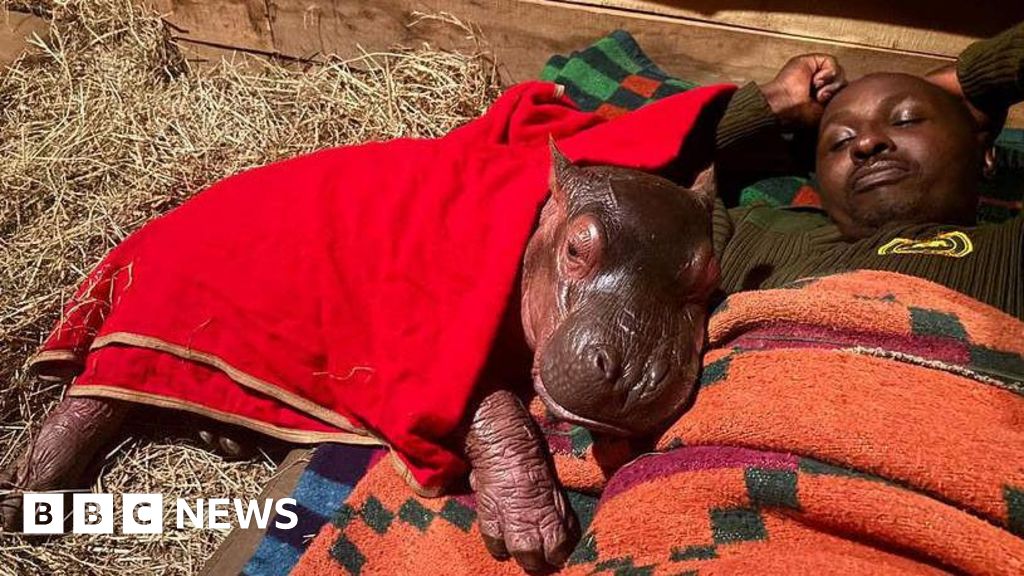
A baby hippopotamus found orphaned in the wild is now being hand-reared by dedicated keepers at a Kenya wildlife sanctuary, in a story that has captured hearts across the world.
The young hippo, whose mother is believed to have died, was discovered alone and vulnerable by wildlife workers. Unable to survive on its own in the wild, the decision was made to bring the calf to the sanctuary where it could receive round-the-clock care.
Round-the-Clock Care
Sanuary keepers have taken on the demanding task of feeding, bathing, and comforting the calf, which requires milk feeds every few hours. Hand-rearing a baby hippo is no small feat — the animals are typically deeply bonded with their mothers for the first two years of life and depend entirely on maternal care.
“It is exhausting but rewarding work,” one keeper explained. “The little one is gaining strength every day and has started to show its personality. It loves splashing in the shallow pool we set up.”
Why Hippos Need Their Mothers
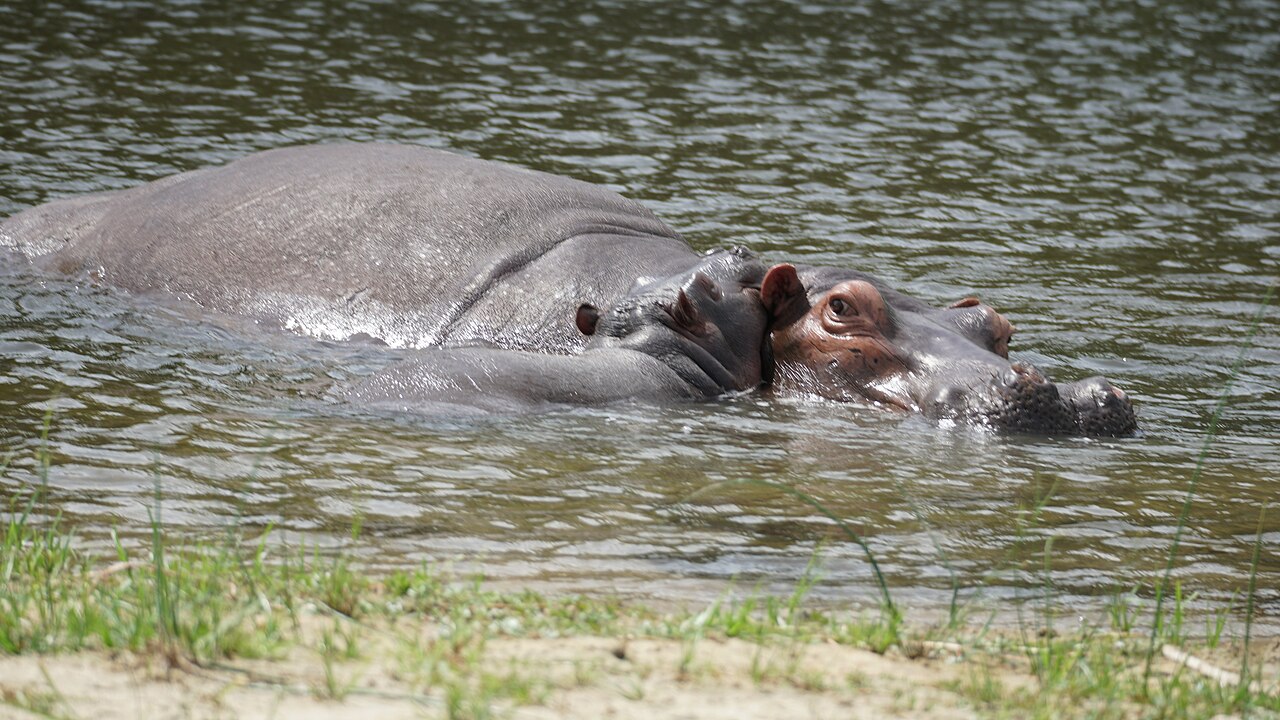
Hippopotamuses are among the most protective mothers in the animal kingdom. In the wild, a mother hippo will stay close to her calf for up to 18 months, teaching it to swim, graze, and avoid predators. Without that guidance, an orphaned calf faces near-certain death.
The sanctuary’s intervention gives this baby a fighting chance. Keepers are gradually introducing the hippo to solid food while maintaining a feeding schedule designed to mimic what it would receive from its mother.
A Growing Trend
The rescue highlights the growing role of wildlife sanctuaries in Kenya as safe havens for orphaned and injured animals. With habitats shrinking due to human encroachment and climate pressures, more young animals are being found alone and in need of help.
Conservationists hope that once the hippo is old enough and strong enough, it may eventually be reintroduced to a protected area where it can live alongside others of its kind.