

Former Cabinet Secretary Raphael Tuju has revealed that the idea behind Kenya’s broad-based government was conceived in his house, saying the arrangement was driven by the need to preserve peace and prevent political differences from degenerating into violence.

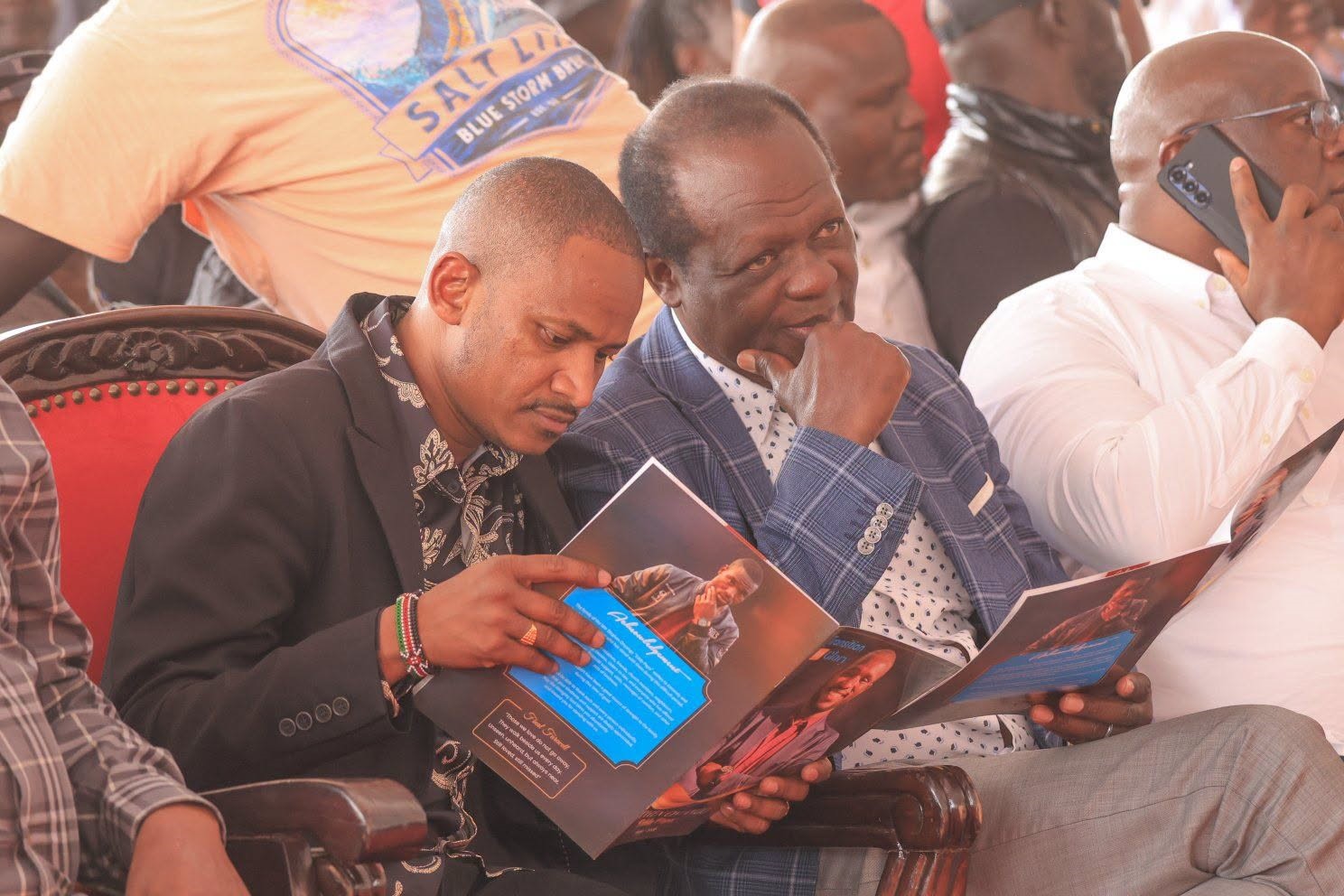
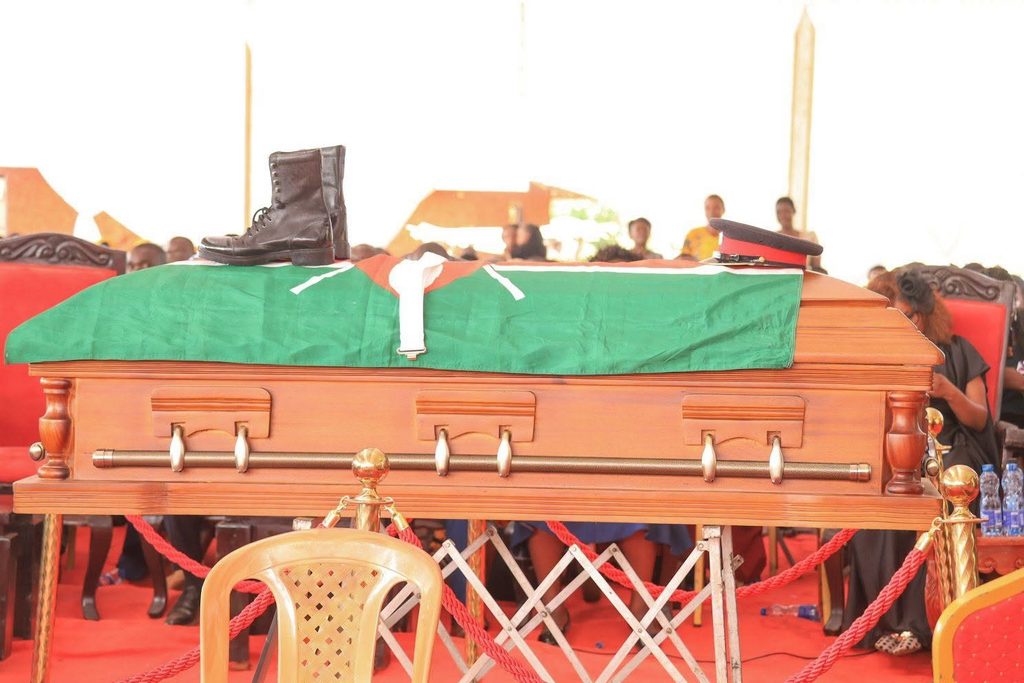
Speaking on Friday during the burial of KDF officer Steve Onyango, son of former Kasipul parliamentary aspirant Newton Ogada, in Oyugis, Homa Bay County, Tuju said he had no problem with Kenyans supporting either the “Wantam” or “Tutam” political camps.
He, however, urged Kenyans to remember the circumstances that informed the formation of the broad-based arrangement, arguing that peace and an orderly transfer of power should take precedence over political interests.
“Broad-based was formed in my house and I have no problem with those who are saying Wantam or Tutam. It is their right. But what I want to remind everyone is why we formed broad-based in the first place. It was about peaceful coexistence,” Tuju said.
Tuju, who has served in different governments, said his experiences as a journalist covering conflicts in Africa had shaped his strong belief in peace and political stability.
He recalled travelling to Rwanda as a young journalist during the 1994 genocide, saying he witnessed bodies floating in River Kagera.
He also cited his experiences covering conflicts in South Sudan, Liberia, Mozambique and Somalia, warning Kenyans against allowing the country to descend into similar turmoil.
“As a person who has occupied certain public office, I believe in peace because I know what would happen if we don’t have peace. I was in Rwanda in 1994 as a young journalist and I saw dead bodies floating on River Kagera. As a young journalist, I covered South Sudan, Liberia, Mozambique and let me tell you, you don’t want us to get there,” he said.
Tuju said he would rather see Kenya have what he termed “the worst government” while maintaining peace and ensuring an orderly transition of power than risk plunging the country into violence.
He recalled a meeting he held with the late former Prime Minister Raila Odinga, saying they discussed ways of ensuring Kenya remained peaceful despite political differences.
According to Tuju, the meeting at his house was later expanded to include Joe Ager, Edwin Sifuna, Dr Oburu Oginga, Junet Mohamed and Prof Adams Oloo.
He said the discussions were driven by a shared conviction that Kenya could not afford to become a violent nation or experience a chaotic change of government.
Tuju further pointed to Somalia as an example of a country he said had struggled to recover from a breakdown in political order and urged Kenyans to respect the rule of law regardless of whether political decisions favour them.
His remarks come amid heightened political tensions and competing political formations ahead of the 2027 General Election.
Tuju also condemned recent violence involving supporters of the Linda Mwananchi movement in Homa Bay, describing the clashes as unnecessary and cowardly.
He said it was particularly shameful for members of the Luo community to turn against one another and urged political leaders and their supporters to reject violence.
“Violence is not the answer. We must learn to disagree politically without turning against one another,” he said.