

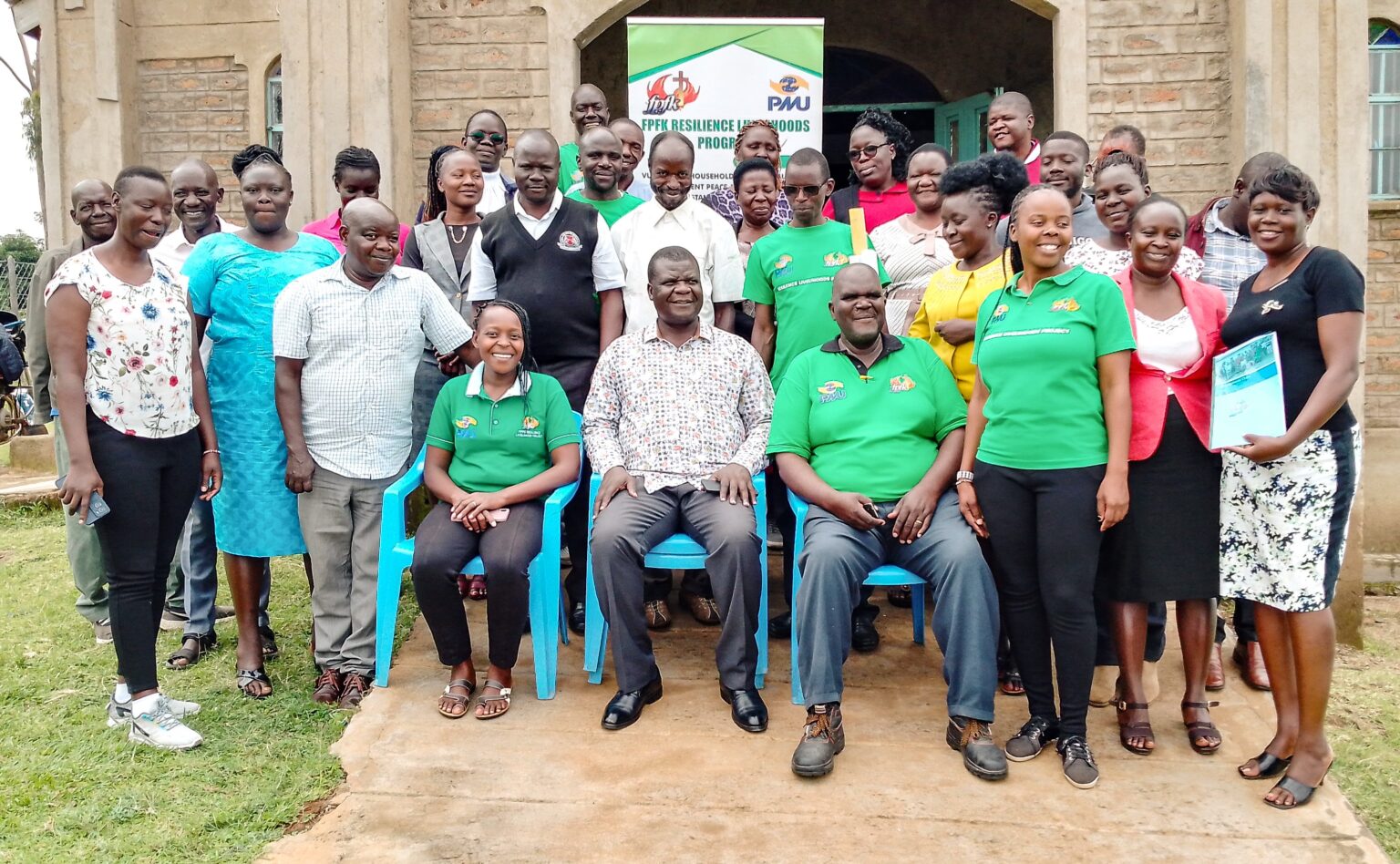
Over 30 teachers, including patrons and matrons of environmental clubs from various schools in Nyakach sub-county, have undergone a major empowerment training to champion sustainable environmental conservation, thanks to a bold initiative by the Free Pentecostal Fellowship of Kenya (FPFK) through its Resilient Livelihood Program.
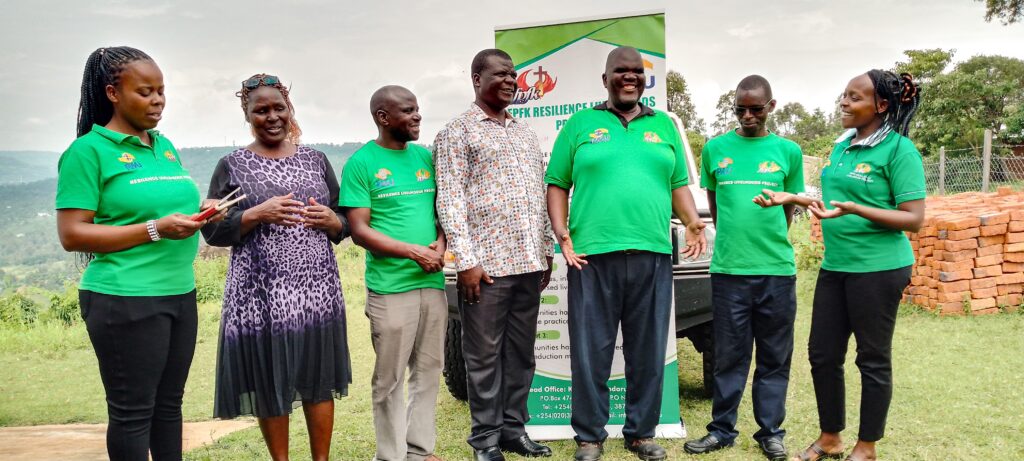
The training, held at Koguta East Location, aimed at equipping teachers with the skills and knowledge needed to transform pupils into environmental ambassadors within their schools and communities.
“We are targeting teachers because they are the custodians of our school environment clubs,”said Viola Chepkemoi Ng’eno, FPFK’s Resilient Field Program Officer.
“Children are powerful change agents. If we instill environmental values at a young age, they will not only practice them in school but pass them on at home and in the larger community.”
Ng’eno emphasized the program’s long-term goal of ‘generational transformation’ raising a new cohort of environmentally conscious citizens.
“Our dream is to grow a generation that is mindful of the environment. Climate change is real. The impact is already being felt in Kericho, and Nyakach. Farmers are producing less; food insecurity is growing. It’s time we come together,”she said.
Despite the training being free, she noted with concern that some community members fail to turn up.
“We try to reach those absent through chief barazas, village elders, and nyumba kumi. The community sometimes has high expectations even a lack of startup capital for income-generating activities is a challenge. Border conflicts between Kericho and Nyakach also occasionally force us to postpone activities,”Ng’eno added.
Government Applauds Tree Planting Drive
Peter Namtare, Assistant County Commissioner for Lower Nyakach Division, lauded the FPFK initiative, calling it a vital contributor to President William Ruto’s national tree-planting agenda.
“The program has significantly boosted green cover in our schools through 4K Clubs and environmental groups. Pupils are now engaging in small group conservation practices,” said Namtare.
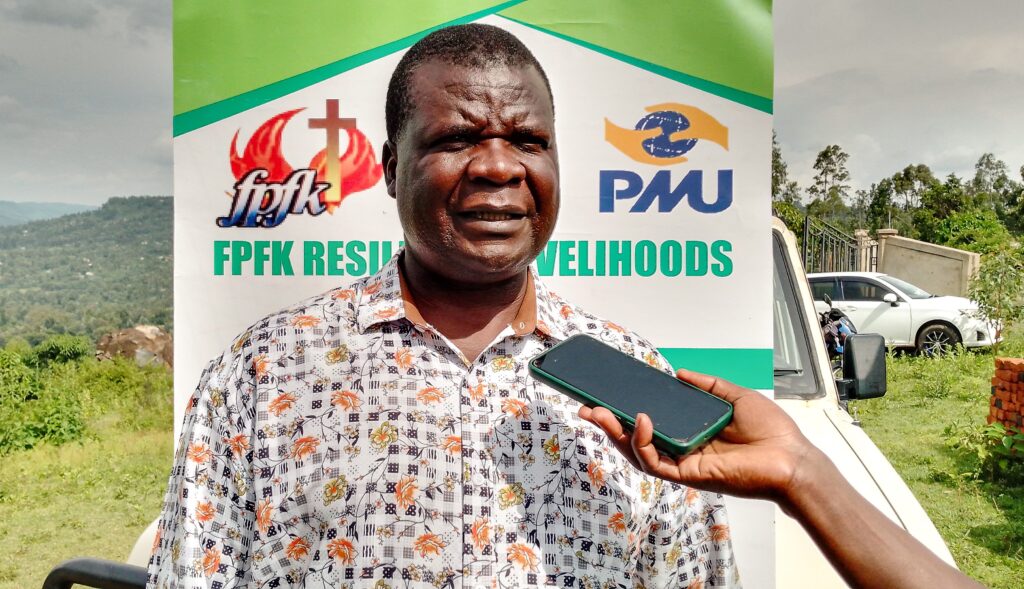
He acknowledged the organization’s timely intervention during the devastating 2024 floods, which affected many households in the area.
“At least 900 households received Sh8,000 each from FPFK, and several schools benefitted from newly constructed latrines and dignity kits. The intervention went a long way in restoring dignity and livelihoods,”he said.
Peace, Prosperity, and Food Security
Namtare further praised the program’s peace-building efforts, especially in the volatile Nyakach-Kericho border zone.
“We’ve experienced sustained peace over the last two years. The youth have been sensitized on peaceful coexistence. Thanks to FPFK, residents now run daily activities without fear,” he said.
Sharon Lang’o, Sub-county Agribusiness Officer for Nyakach, echoed his sentiments.
“Food insecurity is still a major challenge. But through this program, we’ve trained farmers on good agricultural practices and the cultivation of nutritious crops. It’s improving household nutrition and income,” she said.
Teachers Become Agents of Change
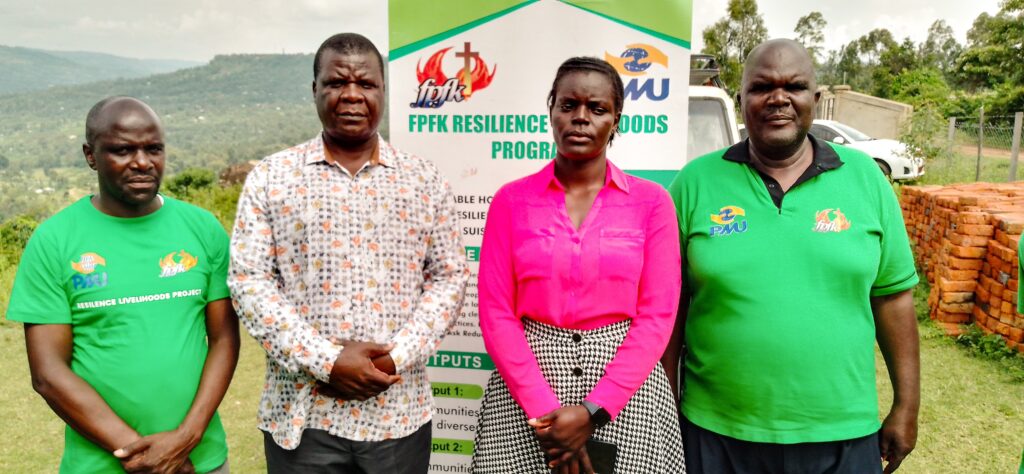
Bishop John Owuor Ominde, FPFK’s Kisumu Regional Overseer, credited the Resilient Program for positively transforming the region.
“As religious leaders, our work has been made easier. Schools like Ngege and Saka have received water tanks, and the community is empowered,” he said.
Michael Otieno Obonyo, a teacher at Ngege Comprehensive School and a patron of the Resilient Program, shared how his school has become self-sustaining.
“Parents no longer buy vegetables like kales or tomatoes because we grow them. We’ve also enjoyed improved peace between the Kericho and Nyakach communities,” he noted.
Pacifica Auma, a teacher at Saka Primary School, praised the program for introducing modern gardening methods.
“We’ve planted many trees and embraced new farming techniques. We now enjoy bananas, which we never thought could grow here. The program has brought real change to Koguta,” she said.
The FPFK Resilient Livelihood Program continues to serve as a beacon of hope—greening schools, empowering farmers, bridging peace across communities, and planting the seeds of sustainable change in Nyakach and beyond.