

The Independent Policing Oversight Authority (IPOA) has disclosed that it has recorded at least 32,000 cases of police-related injustices across the country, with 39 officers currently serving sentences and 270 active cases in court.
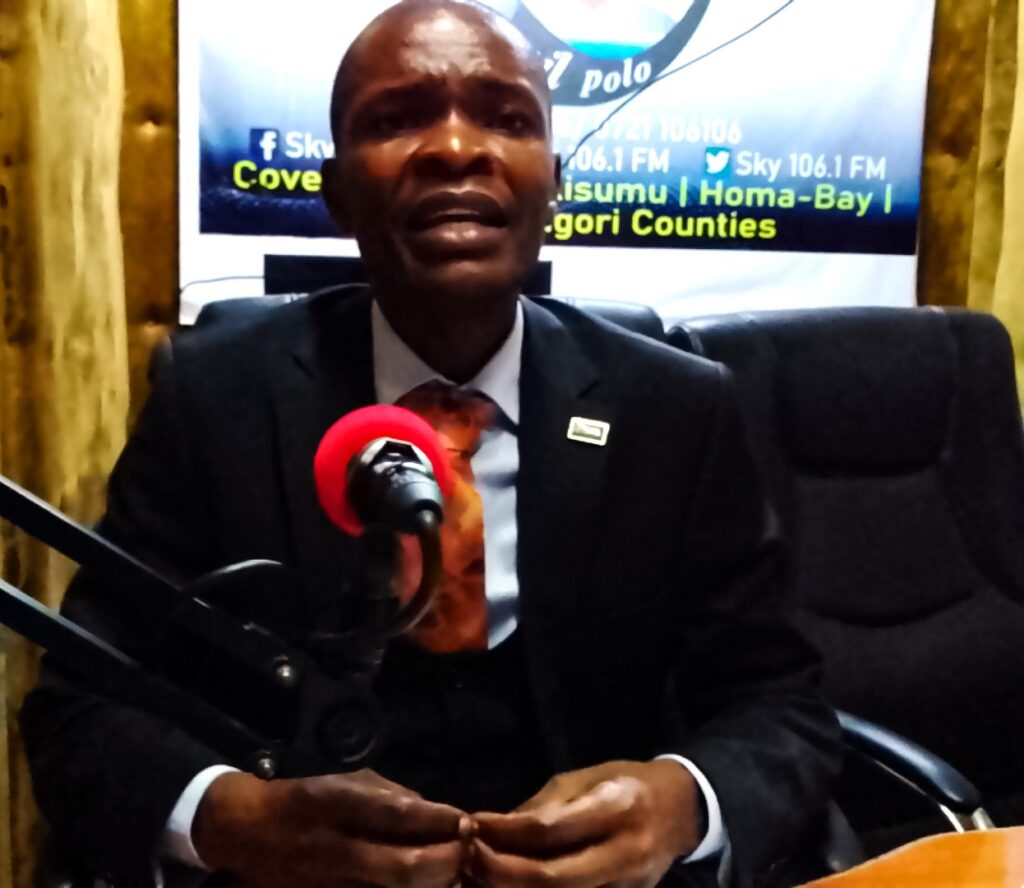
Speaking during an exclusive interview at a vernacular radio station in Kisumu on Friday, IPOA Nyanza Regional Commissioner Kenwilliams Nyakomitah revealed that an additional 1,000 cases remain pending at the Office of the Director of Public Prosecutions (ODPP) awaiting action.
“As we speak, we have recorded close to 32,000 cases. Out of these, we’ve arrested 39 police officers who are currently serving their sentences. We also have 1,000 cases at the ODPP and 270 active in court,” said Nyakomitah.
“Our main role is to investigate, while the ODPP prosecutes, and we have never lost a single case in court.”
Nyakomitah emphasized that IPOA’s mandate includes enforcing professionalism and discipline within the police service, ensuring compliance with human rights standards, and promoting transparency in police–citizen relations. He urged Kenyans to report cases of misconduct without fear, particularly during demonstrations, stressing that Article 1 of the Constitution vests power in the people.
The commissioner expressed concern over poor conditions in police cells, which he said continue to endanger lives, noting that all custodial deaths are reported to IPOA. However, he admitted that investigations become difficult when police officers are the primary suspects.
Nyakomitah cited lack of arrest and prosecution powers as major challenges slowing down justice, explaining that IPOA must rely on the police to arrest their own colleagues, an effort often hampered by what he termed the “blue code of silence.”
“If a police officer commits a crime, we still have to ask another police officer to arrest them. That’s not effective,” he lamented.
“We are asking the government to empower IPOA with prosecution powers so that cases can be expedited and justice served swiftly.”
He revealed that IPOA currently has 70 investigators handling nationwide complaints and that the authority is engaging Parliament’s oversight committee to strengthen citizen outreach and improve service delivery.
Nyakomitah also noted that inadequate funding remains a key hurdle, affecting operations and investigations. He said IPOA is lobbying for digital reforms, including the introduction of body cameras and a digital Occurrence Book (OB) system, alongside enhanced human rights training for police officers.
He further urged citizens to report cases anonymously through IPOA hotlines, assuring them of protection and confidentiality.