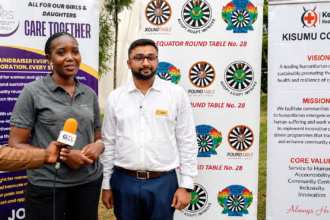


Kisumu County has the highest number of males living with HIV in Kenya, with over 50,000 men and boys currently on HIV/AIDS medication. This alarming statistic was revealed by Steve Kathaka, Nyanza Regional Coordinator for the National Syndemic Disease Control Council, during the World AIDS Day commemoration held in Kisumu on December 1, 2024.

Addressing the media after the event, Kathaka described Kisumu as a “national black spot for HIV/AIDS,” calling for heightened efforts to address the crisis.
“Our focus is on men and boys because they are disproportionately affected. Many avoid testing, which hampers timely diagnosis and treatment,” Kathaka stated.
He highlighted additional challenges, including gender-based violence, femicide, and teenage pregnancies, often linked to male perpetrators.
Men’s Health and Behavior Under Scrutiny
Kathaka emphasized the need for men to seek health screenings, including HIV tests, blood pressure checks, and prostate cancer exams, particularly for those over 35. “Men tend to avoid hospitals until it’s too late. We encourage them to be proactive in managing their health,” he said.

He also urged men to support efforts to combat teenage pregnancies and gender-based violence, noting the severe social and economic impact these issues have on communities.
Public Health Progress and Challenges
Kisumu County’s Director for Public Health and Sanitation, Fredrick Oluoch, marked the 40th anniversary of Kenya’s first reported HIV case, celebrating the progress made while acknowledging persistent challenges.
“In 2013, Kisumu registered over 12,643 new HIV cases annually. Last year, that number dropped to 1,730. Similarly, deaths related to HIV decreased from 3,901 in 2013 to 1,761 last year,” Oluoch said.

Despite these gains, Oluoch noted that many men remain out of care due to delayed screenings and inadequate access to health services. He stressed the importance of expanding preventive measures such as pre-exposure prophylaxis (PrEP), post-exposure prophylaxis (PEP), and condom distribution, alongside education on their proper use.
“Our mission is to eliminate HIV/AIDS by 2027 through enhanced prevention and care strategies, including youth engagement in sports and social services,” Oluoch said.
Behavior Change and Legal Enforcement
Kisumu County Commissioner Benson Leparmorijo called for behavior change among young people and vowed to crack down on illicit activities contributing to the spread of HIV.
“There is no cure for HIV/AIDS, and it’s vital for everyone to act responsibly to curb its spread,” Leparmorijo said, adding that his administration is working to address rape and teenage pregnancies, including prosecuting perpetrators.

Erasing Stigma and Sustaining Care
Dr. Anita Bisera, Program Director for CIHEB, a health organization focused on managing HIV infections, stressed the importance of combating stigma and encouraging men to undergo testing.
“We are working closely with the health department to ensure those already on medication remain on it and live fulfilling lives,” Bisera said.

As Kisumu grapples with its high HIV burden, stakeholders are united in their call for proactive health measures, responsible behavior, and a collective commitment to ending the epidemic.