



Faith leaders have been called upon to use their influence to educate communities on climate change, environmental conservation, and sustainable farming practices.
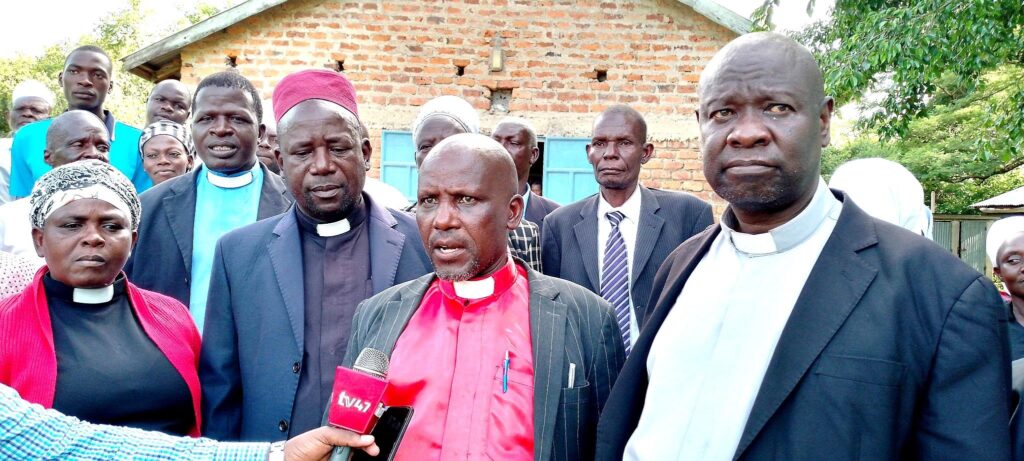
Speaking during a sensitisation programme at Free Pentecostal Fellowship in Kenya (FPFK) Church in Katito, Nyakach Sub-county on Monday, April 13, Resilience Programme Officer Grace Muga said religious leaders occupy a unique and trusted position in society, which they should leverage to drive climate awareness alongside moral teachings.
Muga noted that faith leaders interact with large congregations regularly, making them effective agents of change in promoting climate action and responsible environmental practices.
“Faith leaders are influential and respected in the community. When they use the pulpit to speak about climate action, we are able to reach more people and create meaningful change,” she said.
She emphasised that many social challenges stem from loss of livelihoods, often linked to environmental degradation and climate change, adding that collaboration with religious institutions would amplify outreach efforts across Kisumu and Kericho counties.
According to Muga, the resilience programme, currently in its second phase, focuses on climate action in the two counties, targeting farming communities that heavily depend on land for their livelihoods.
“Farmers in this region are increasingly vulnerable to climate shocks caused by both natural factors and human activities such as deforestation and excessive use of fertilisers,” she explained.
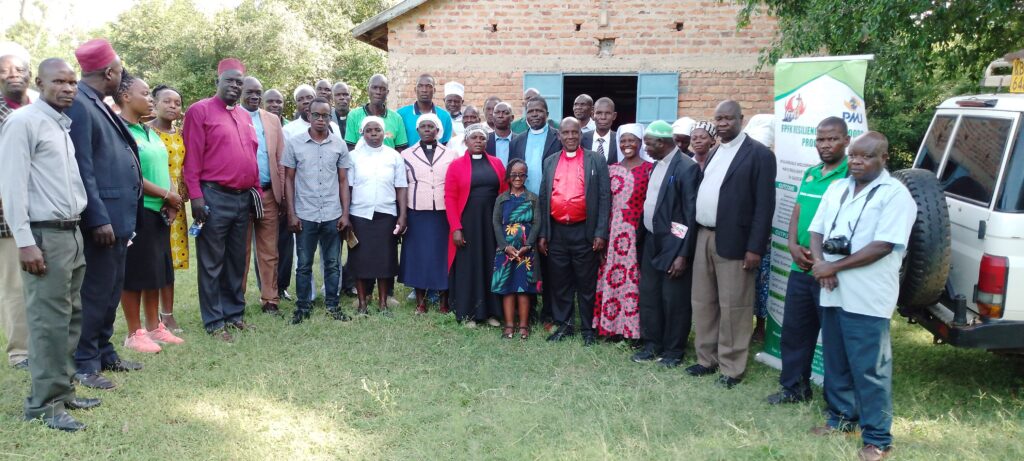
She reiterated that the initiative seeks to promote environmental stewardship, drawing parallels with the biblical mandate to care for the “Garden of Eden,” urging clergy to integrate environmental teachings into their ministry.
The training brought together clergy from various denominations, including FPFK, Anglican, African Gospel Church (AGC), Catholic Church, and Voice of Salvation Church, who welcomed the initiative and pledged to apply the knowledge gained.
Reverend Kepher Otieno Obuya expressed gratitude for the programme, admitting that harmful farming practices have contributed to declining soil productivity.
“We have realised that the use of dangerous chemicals has degraded our soil, leading to poor yields. As faith leaders, we will now teach our congregants about sustainable farming and the importance of planting trees,” he said.
He added that clergy must lead by example in environmental conservation and promote modern, safe agricultural practices.
Reverend Lucy Ochieng echoed the sentiments, saying the training had equipped her with practical knowledge to support her congregation.
“Our role goes beyond preaching the gospel. We must also guide our congregants on how to conserve the environment and utilise their land productively to feed their families,” she said.
The initiative is expected to strengthen community resilience by integrating climate action into faith-based outreach, particularly in rural farming communities heavily affected by environmental changes.