

A massive wave of youth turnout has swept across the Nyanza region following the government’s rollout of village-level National ID registration centres, marking one of the largest grassroots documentation responses in recent years.

The decentralized model, spearheaded by Interior Principal Secretary Dr. Raymond Omollo, has ignited queues in Kisumu, Siaya, Homa Bay, Nyamira, Migori and Kisii counties, where thousands of young people have been lining up for days to secure the crucial identification card.
For years, many youths were forced to travel long distances to sub-county offices, a burden that often discouraged timely registration. The new arrangement has dramatically eased that strain, eliminating transport expenses, reducing bureaucratic delays and easing the intimidation that many associated with the old system.
In Kondele, Kisumu County, 18-year-old John Otieno was among the early arrivals.
“I had just turned 18 in February, so when I heard they would be registering us right here, I came immediately,” he said as he waited in line.
Otieno said he intends to register as a voter once the electoral commission resumes its voter listing exercise. He openly expressed support for President Ruto, citing benefits from the affordable housing project in Kisumu, where he earns wages as a casual labourer. He said the programme has been a key source of employment for many youths.
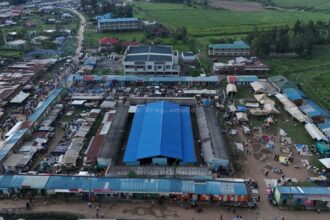
Across Nyanza, similar scenes have played out in markets, chief camps and makeshift tents as long queues of residents, some well into their twenties, take advantage of the long-awaited village outreach.
Local leaders say the overwhelming turnout reveals years of unmet demand and a growing public appreciation of the value of official identification.
At Aram market in Rarieda, Siaya County, 22-year-old Jane Anyango praised the government’s simplified approach.
“Before this, we walked long distances and dealt with so much stress at the big offices,” she said. Although she has never met PS Omollo, Anyango added, “If someone meets him, tell him we appreciate what he has done.”
In Masaba within the Gusii region, enthusiasm remained high.
“This is something we had never seen. Everything used to be done far away from us,” said 25-year-old Susan Nyanchwa. “That’s why many people my age don’t have IDs, but now we are catching up.”
Administrators say the surging numbers, though intense, remain manageable. Chiefs and assistant chiefs have been mobilizing residents, coordinating schedules and supporting national officers deployed to their jurisdictions.

Observers say the simplified access could significantly increase the number of youth eligible to vote in the 2027 elections and widen opportunities in employment, education and government services.
Analysts also point to the shifting political mood in Nyanza, where younger voters, many influenced by new government programmes, are expressing more diverse political preferences. While the long-term implications remain uncertain, the momentum around documentation is seen as a critical early indicator ahead of the next General Election.