

The benchmark of evaluating performance in the first 100 days, introduced by Franklin D. Roosevelt, has become a global political tradition. As ODM Cabinet Secretaries settle into their roles, the question arises: Are they living up to the promise of expertise-driven governance?

Here’s a look at their performance so far:
John Mbadi – Treasury CS: The Hope for Economic Revival
John Mbadi entered office with expectations as high as the economic challenges he inherited.
- Wins:
- Advocated for reducing PAYE to increase disposable income and spur economic activity.
- Allocated funds to end the university lecturers’ strike.
- Championed homegrown solutions over reliance on Bretton Woods institutions.
- Shortcomings:
- Delayed school capitation and devolved fund disbursements.
- Limited progress in combating corruption.
- Stabilizing the shilling has not alleviated the common citizen’s financial struggles.

Mbadi’s policies show promise, but the absence of immediate results keeps Kenyans waiting for the economic turnaround he promised.
Wycliffe Oparanya – CS for Cooperatives and MSME Development
As a former critic of the Hustler Fund, Oparanya now finds himself championing it in a critical ministry.
- Strengths:
- Reoriented his stance on the Hustler Fund, warning defaulters to repay.
- Highlighted MSMEs’ role in contributing 30% to Kenya’s GDP.
- Gaps:
- Access to affordable financing and markets remains a challenge.
- Insufficient focus on fostering entrepreneurial culture and cooperative growth among small-scale farmers.

While Oparanya’s rhetoric is strong, actionable reforms are essential to realize the sector’s untapped potential.
Ali Hassan Joho – CS for Mining, Blue Economy & Maritime Affairs
Joho’s deep-rooted connection to the coast positioned him as a natural fit for this docket.
- Notable Efforts:
- Initiated modernization of fish landing sites on Lake Victoria.
- Advocated for aquaculture and mariculture through Kenya Marine and Fisheries Research Institute.
- Controversy:
- The allocation of Ksh 1.6 billion for Indian Ocean fish stock assessment drew public scrutiny.
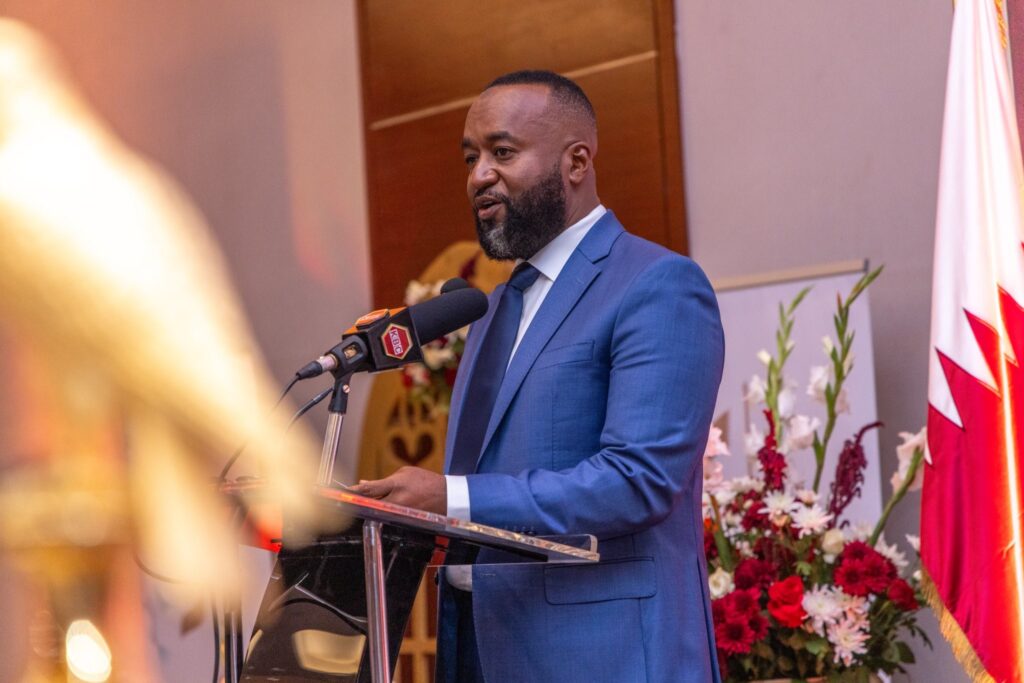
Joho’s vision for Kenya’s blue economy is ambitious, but transparency in resource allocation will be key to sustaining public confidence.
Opiyo Wandayi – CS for Energy: A Dim Start
Known for his fiery rhetoric in opposition, Wandayi’s start in the energy docket has been underwhelming.
- Progress:
- Supported public-private partnerships, though the Adani-Ketraco deal’s cancellation was a setback.
- Oversaw a decline in EPRA-regulated fuel prices.
- Challenges:
- Persistent power blackouts hurt businesses and households alike.
- High electricity costs deter investors and drive businesses to the brink of closure.
- Public transport costs remain unchanged despite reduced fuel prices.

Wandayi faces the uphill task of ensuring energy stability, affordability, and consumer protection.
Beatrice Askul – CS for EAC, ASALs & Regional Development
Askul has shown dedication to her mandate of improving marginalized areas.
- Achievements:
- Visited ASAL regions to oversee projects and distribute drought-relief food.
- Commissioned Lokichar Community Water Project as part of national drought mitigation.
- Promised dyke construction along River Nyando to curb recurring floods.

Askul’s proactive approach resonates with her docket’s spirit, but her ability to scale up these efforts will determine her legacy.
Final Thoughts: Performance vs. Expectations
The ODM Cabinet Secretaries have shown glimpses of potential but have fallen short in areas requiring immediate impact. From economic stabilization to energy reforms, their successes are overshadowed by glaring gaps. Kenyans will remain watchful, demanding tangible results and accountability in the coming days.
The clock is ticking, and the scorecard is still being written.