


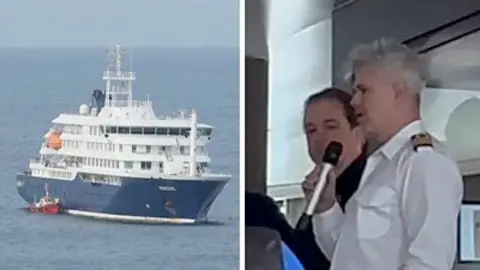
A hantavirus outbreak aboard a cruise ship stranded off the coast of Cape Verde has taken a worrying turn after another passenger tested positive for the disease, raising fresh concerns about the spread of the virus among travellers.
The ship, MV Hondius, has been stuck in international waters near Cape Verde after multiple passengers fell ill with symptoms consistent with hantavirus — a rare but potentially deadly disease transmitted through contact with rodent droppings, urine, or saliva.
What We Know So Far
Reports indicate that at least two passengers have now confirmed positive for hantavirus since the outbreak was first detected. Health officials aboard the vessel are working around the clock to contain the spread, but passengers say anxiety is running high.
One passenger described the atmosphere on board as calm but tense. “We’re trying to stay positive, but every cough or sneeze makes people nervous,” they said. The ship remains unable to dock as Cape Verdean authorities assess the health risk.
Understanding Hantavirus
Hantavirus is not transmitted from person to person under normal circumstances. It typically spreads when humans inhale airborne particles contaminated with rodent waste. Symptoms include fever, muscle aches, fatigue, and in severe cases, respiratory distress that can be fatal.
Health experts say the risk to the general public remains low, but the situation highlights the vulnerabilities of confined environments like cruise ships when infectious diseases emerge.
What Happens Next
Authorities in Cape Verde are expected to make a decision on whether the ship can dock in the coming days. In the meantime, passengers face an uncertain wait at sea, with limited medical resources on board and growing calls for urgent international assistance.
The outbreak also raises questions about health screening protocols on cruise vessels, especially those operating in African waters where medical infrastructure can be limited.