



More than 800 boda boda riders in Kisumu County have undergone intensive road safety training under a joint initiative by Mogo Kenya and the Boda Boda Safety Association of Kenya (BAK), aimed at curbing rising fatalities linked to road traffic accidents.
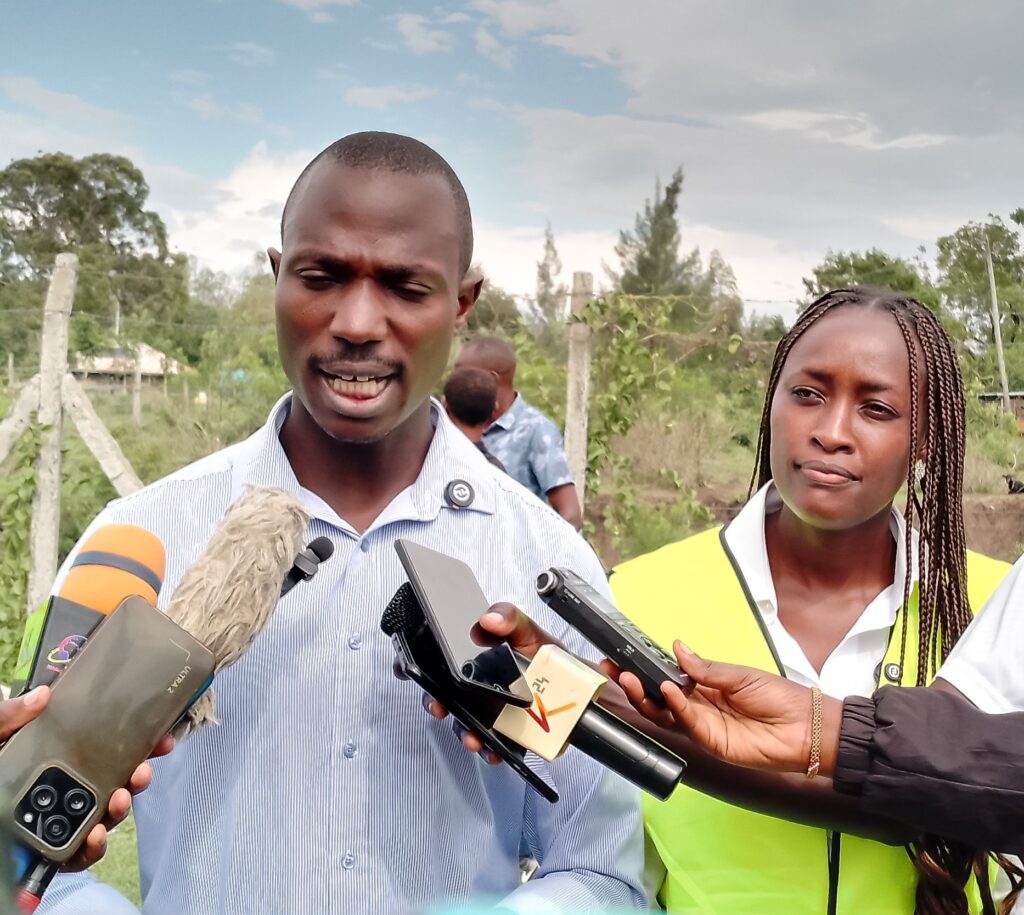
The training forum, held on Friday, March 6, 2026, brought together riders from across the county and focused on promoting safer riding practices, strict adherence to traffic regulations and improved awareness of insurance options that can cushion riders against medical costs in the event of accidents.
The session also addressed broader challenges facing the sector, including economic empowerment through SACCOs, pension savings awareness, social protection and behavioural change among riders.
According to statistics from the National Transport and Safety Authority (NTSA), boda boda riders, their passengers, and pedestrians account for more than 65 per cent of the average 4,000 road deaths recorded annually in Kenya. Experts warn that the actual number of fatalities could be three to four times higher due to underreporting in some counties, potentially pushing annual road deaths to over 12,000 alongside thousands of injuries.
Road crashes also impose a heavy economic burden on the country, costing Kenya an estimated five per cent of its Gross Domestic Product (GDP), equivalent to more than Sh450 billion annually.
Kisumu ranks among the counties with the highest number of traffic fatalities in the country, alongside Nairobi, Kiambu, Nakuru, Machakos, Kakamega, Makueni and Kericho. NTSA data shows that Kisumu accounts for about three per cent of all fatal road crashes nationwide.
Speaking during the training, Mogo Kenya Head of Brand Communications Rebecca Ngigi said the initiative underscores the company’s commitment to improving safety and sustainability in the boda boda sector.
“Boda boda riders play a critical role in Kenya’s economy and in connecting communities to opportunities. At Mogo, we have supported many riders to access motorcycles and smartphones through affordable financing so they can participate in the digital economy and improve their livelihoods,” she said.
“However, road accidents often wipe out these gains due to the high cost of treatment and lost income. That is why initiatives such as this training are important to equip riders with knowledge on safe riding and financial protection.”
BAK National Chairman Kevin Mubadi said the association is working with partners to strengthen safety awareness and reduce accidents involving boda boda operators.
“Many of our members depend entirely on this sector for their livelihoods, yet road crashes continue to claim lives and cause serious injuries. Through partnerships such as this one with Mogo Kenya, we are educating riders on the importance of observing traffic rules, riding responsibly and planning for their financial future,” he said.
The initiative aligns with Kenya’s National Road Safety Action Plan 2024–2028, which prioritises training road users, including boda boda riders, as a key strategy to reduce road deaths and serious injuries by 50 per cent over the next four years.
The boda boda sector remains a critical pillar of Kenya’s economy, generating an estimated Sh660 billion annually and contributing about 4.4 per cent of the country’s GDP. The industry directly employs more than 2.5 million people, providing livelihoods for families and communities across the country.
Also speaking during the forum, Kenya National Entrepreneur Saving Trust (KNEST) Chief Executive Officer Rose Musonye Kwena urged self-employed Kenyans, particularly those in the jua kali sector, to embrace pension savings.
She said KNEST was established by the government to promote a savings culture and help informal sector workers secure their retirement.
“Since independence, many people in the jua kali sector have been left out of pension schemes. KNEST allows self-employed Kenyans to save for retirement while still accessing up to 30 per cent of their savings to address immediate financial challenges, while the remaining 70 per cent is preserved for the future,” she said.
Through the Kisumu training initiative, Mogo Kenya and BAK hope to strengthen road safety awareness among riders while supporting the long-term growth and sustainability of one of Kenya’s most important transport sectors.