
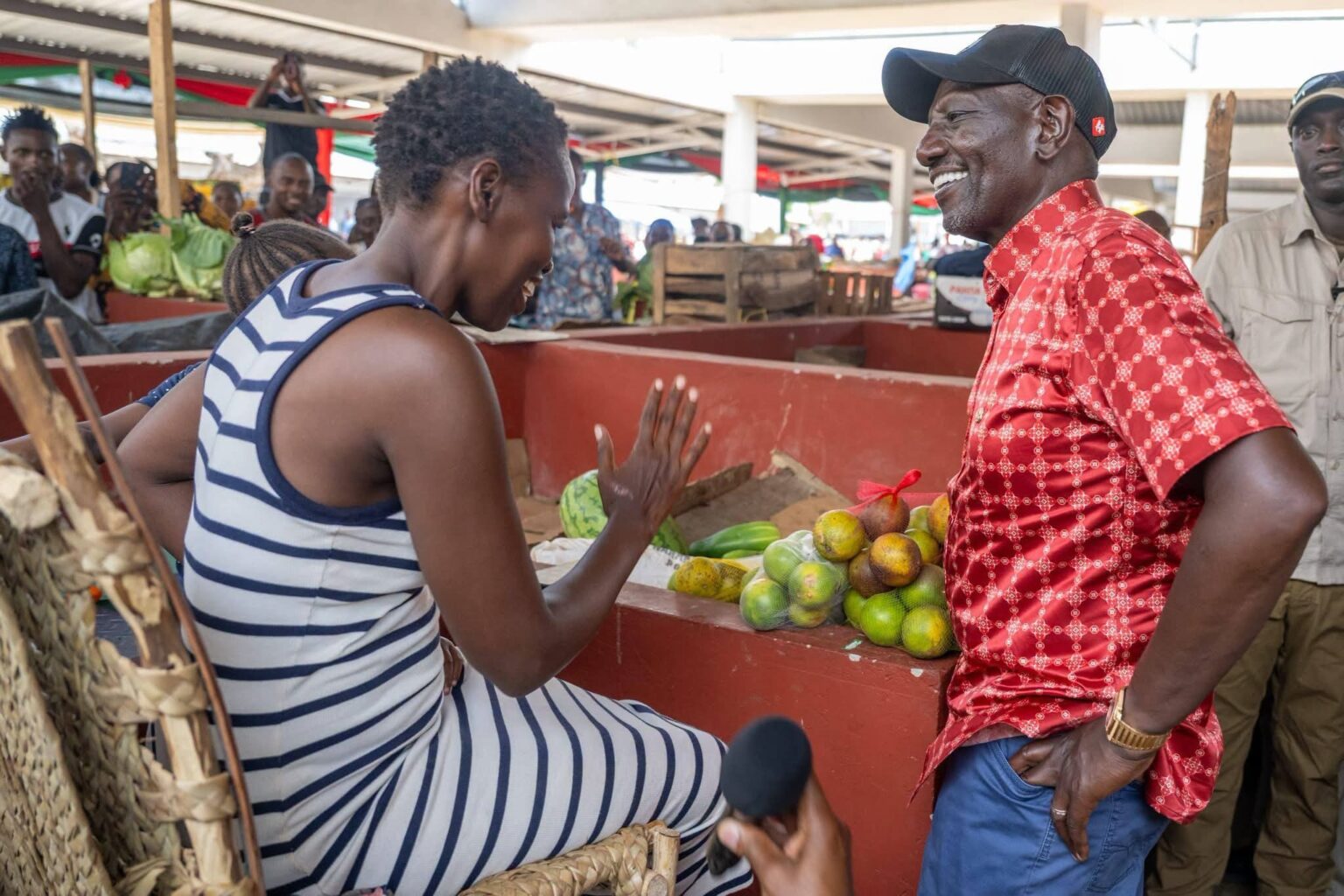

As Kenya inches closer to the 2027 General Election, the country’s political landscape is steadily taking shape, with presidential hopefuls strategizing for what promises to be a fiercely contested race. At the centre of it all is President William Ruto, a leader confronting the burdens of incumbency while simultaneously engineering a broad political and economic strategy aimed at securing a second term.
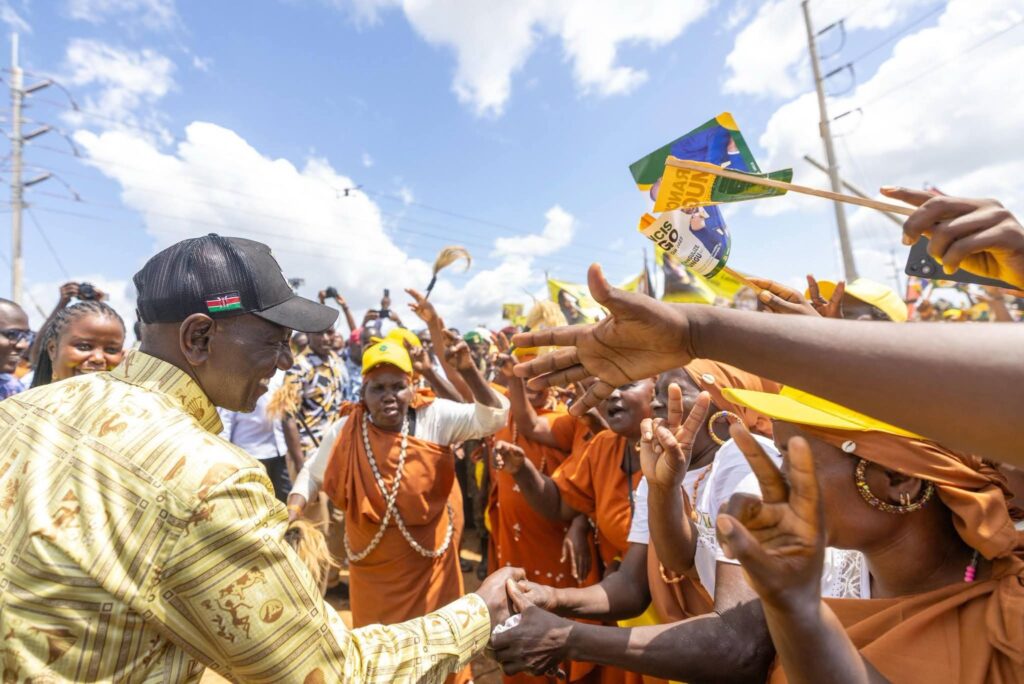
With roughly 15 months before Kenyans return to the ballot, Ruto appears determined to transform the election into a referendum on development, economic transformation, and political inclusivity.
Unlike in 2022, when his “hustler” narrative galvanized millions of ordinary Kenyans frustrated by economic inequality, the President is now shifting gears. His new campaign philosophy revolves around what he has branded the “Singapore Dream”, a vision of turning Kenya into a modern, globally competitive economy through aggressive infrastructure expansion and institutional reforms.
At the heart of this economic blueprint is the proposed National Infrastructure Fund (NIF), which the government intends to use to finance mega development projects without relying heavily on foreign borrowing. The administration argues that the fund will reduce dependence on expensive external loans and create a sustainable financing model for infrastructure development.
To raise seed capital for the fund, the government plans to sell shares in selected state corporations. However, the proposal has already encountered legal and political resistance, particularly surrounding plans linked to Safaricom shares, exposing the delicate balancing act the President must navigate between economic ambition and public skepticism.
Even so, Ruto’s development agenda has become a central pillar of his political survival strategy.
Across the country, the President has embarked on an aggressive campaign of launching roads, markets, affordable housing units, electricity projects, and water programs. The tours are not merely administrative engagements but calculated political investments aimed at cultivating goodwill among communities benefiting from state projects.
In the Coast region, a political realignment appears to be taking shape around the President. Leaders from both the ruling UDA party and ODM have increasingly closed ranks in support of Ruto’s development agenda, blurring traditional political divisions.
Among those leading the charge are Senate Speaker Amason Kingi, Mining Cabinet Secretary Hassan Joho, Kilifi Governor Gideon Mung’aro, UDA Secretary General Hassan Omar, Tana River Governor Dhadho Godhana, and Mombasa Governor Abdulswamad Nassir.
However, not all Coast leaders are aligned with the President. Nyali MP Mohammed Ali, once a vocal ally of Ruto, has lately signaled political divergence and is increasingly being associated with former Deputy President Rigathi Gachagua and the emerging opposition realignments.
A similar political script is unfolding in Western Kenya, where the elusive quest for Luhya unity has resurfaced. Prime Cabinet Secretary Musalia Mudavadi, National Assembly Speaker Moses Wetang’ula, and Cooperatives Cabinet Secretary Wycliffe Oparanya have intensified regional consultations, arguing that remaining within government gives the region stronger bargaining power for development resources.
Their message has been consistent: Western Kenya stands to gain significantly from continuity under the Ruto administration.
In North Eastern Kenya, the President’s administration has scored political mileage through policy changes that directly address long-standing grievances. The scrapping of vetting barriers in the issuance of national identity cards has earned the government praise among Somali communities, many of whom viewed the previous system as discriminatory.
The planned upgrading of the 750-kilometre Isiolo-Mandera highway to bitumen standards is also being viewed as a transformative project capable of unlocking trade and economic opportunities in the historically marginalized region. Health Cabinet Secretary Aden Duale has emerged as one of the administration’s key political mobilizers in the area.
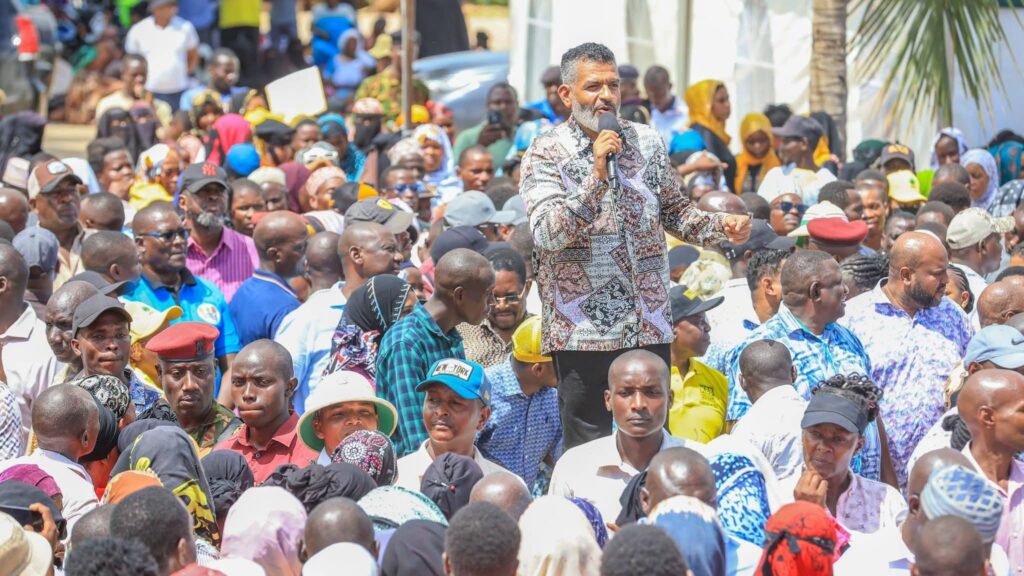
Meanwhile, the Affordable Housing Programme remains one of the administration’s flagship projects and perhaps one of its most politically strategic undertakings. Housing Principal Secretary Charles Hinga has consistently defended the project as both an economic and social intervention.
Beyond creating employment for thousands of artisans and contractors, the government argues that the project seeks to restore dignity to families living in informal settlements by providing decent and affordable homes. For the administration, the beneficiaries represent a potentially influential voting bloc heading into 2027.
Inside the State House, the President has also embraced a softer but equally deliberate political strategy — engagement with influential groups. Religious leaders, trade unions, women’s organizations, county assembly delegations, and community representatives have regularly been invited for meetings with the Head of State.
The encounters provide the President with a platform to directly market his administration’s achievements while cultivating support among opinion leaders capable of influencing public sentiment at the grassroots.
Perhaps the most politically symbolic move has been the expansion of government inclusivity into Luo Nyanza, traditionally considered ODM’s political stronghold. Through the broad-based government arrangement and a series of development pledges, the President has sought to weaken entrenched political hostilities and create new alliances in the region.
Despite criticism from Siaya Governor James Orengo and sections of ODM loyalists opposed to cooperation with the Kenya Kwanza administration, the President appears determined to penetrate the opposition bastion ahead of 2027.
At the same time, Ruto is keenly aware that political success will ultimately depend on voter turnout. During a recent address in Bomet County, the President openly expressed concern over low voter registration numbers in his Rift Valley stronghold.
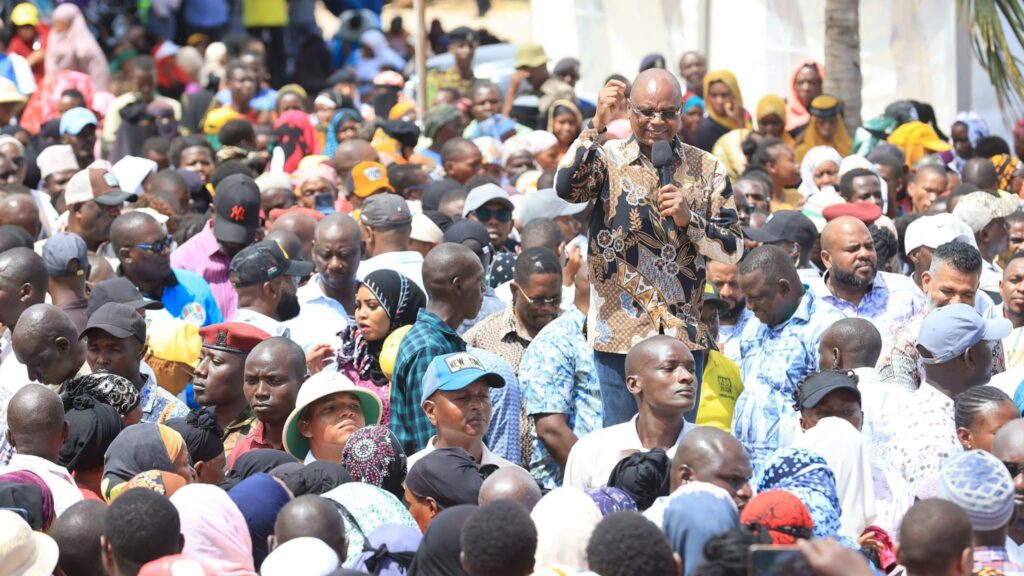
He subsequently tasked local leaders with ensuring that all eligible National ID holders in the region register as voters, a clear indication that his re-election machinery is already in motion.
As the countdown to 2027 gathers momentum, President Ruto’s political playbook is becoming increasingly visible: development-driven politics, regional alliances, institutional reforms, and strategic inclusivity.
Whether the strategy will be enough to overcome mounting economic pressures, rising political opposition, and voter dissatisfaction remains uncertain. But one thing is clear: the battle for Kenya’s highest office has already begun, and Ruto is leaving little to chance.