


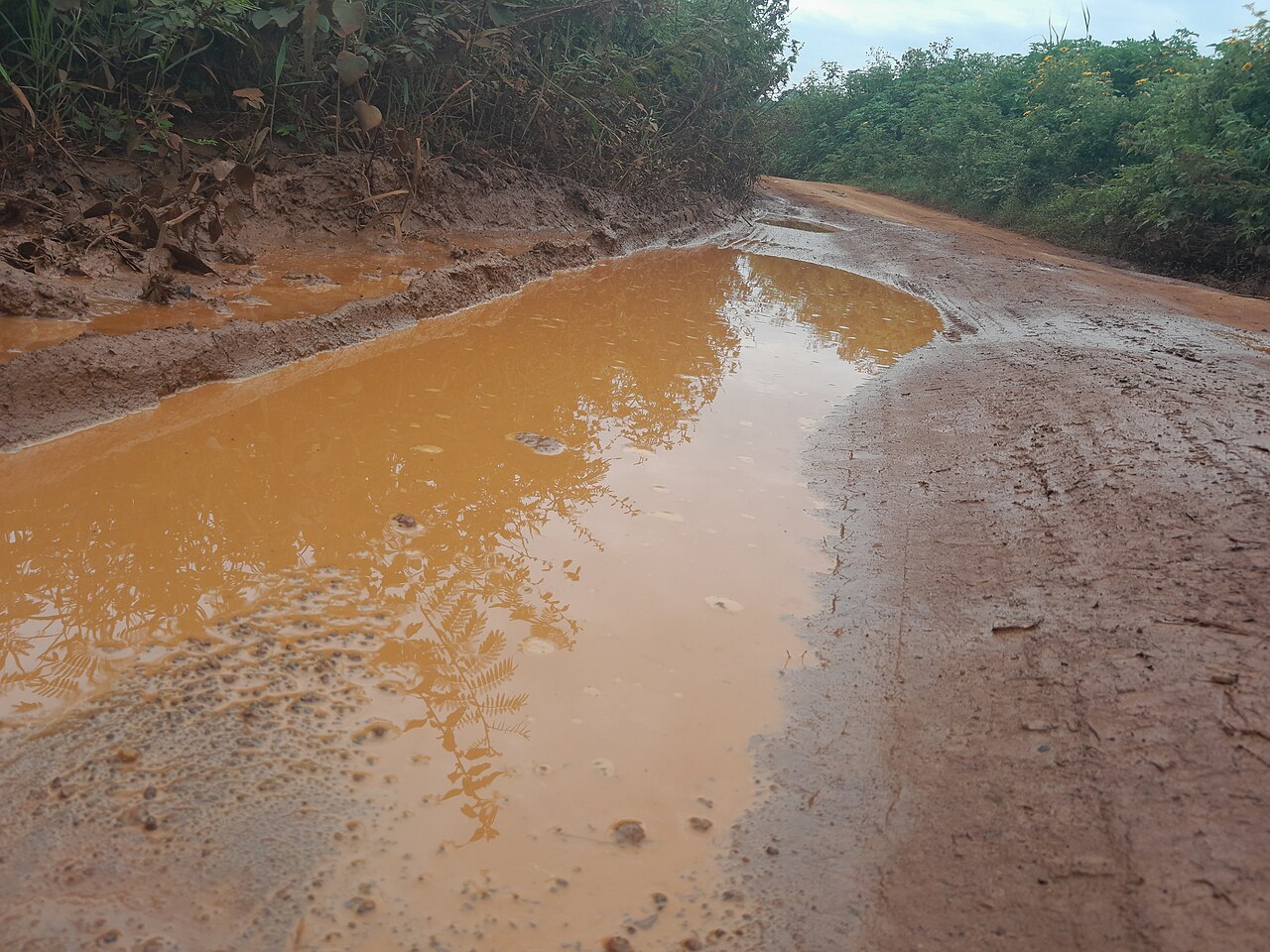
At least 18 people are dead and more than 54,000 households have been affected after a week of relentless rain triggered floods and landslides across Kenya. The Kenya Meteorological Department says there’s more to come, with heavy downpours expected to persist through the remainder of the March-May long rains season.
Hardest-Hit Areas
The flooding has cut a wide swathe across the country, but some regions are bearing the brunt. Western Kenya, the Rift Valley, and parts of the Lake Victoria basin have reported the most severe damage — homes submerged, roads washed out, and farmland turned into swamps. In several counties, families have been forced onto rooftops waiting for rescue teams that are stretched thin.
Nairobi hasn’t been spared either. Informal settlements in low-lying areas of the capital saw water rise fast after days of steady rain, damaging shacks and displacing thousands. Mudslides have been reported in highland areas, particularly around the Aberdare Range and Mount Kenya foothills, where steep terrain makes communities especially vulnerable.

Local authorities are struggling to reach cut-off villages after bridges collapsed and key access roads were rendered impassable. Emergency response teams say they’re working with limited resources and have appealed for additional support from the national government.
.jpg)
Kenya Met Department: More Rain on the Way
The Kenya Meteorological Department has issued fresh advisories warning that the rainfall pattern is far from over. Their latest forecast indicates moderate to heavy precipitation across much of the country through the coming week, with the western, central, and coastal regions likely to see the heaviest downpours.
“We urge Kenyans living in flood-prone areas and near riverbanks to remain vigilant and move to higher ground where possible,” the department said in a statement. They’ve also flagged the risk of landslides in hilly and mountainous areas, particularly where deforestation has weakened the soil.
This isn’t Kenya’s first rodeo with deadly floods. The 2024 long rains season killed hundreds and displaced over 200,000 people, exposing deep gaps in disaster preparedness. Government response at the time drew sharp criticism for being slow and uncoordinated. Many of the same weaknesses — poor drainage in urban areas, unplanned settlement in flood zones, lack of early warning systems at the community level — remain unaddressed.
Looking Ahead
With weeks still left in the long rains season, the question isn’t whether more flooding will happen — it’s whether Kenya is any better prepared this time around. County governments have been directed to activate disaster response committees, but reports from the ground suggest the execution is patchy at best. Humanitarian organisations including the Kenya Red Cross are mobilising relief supplies, but access remains a major headache.
The bigger, harder conversation — about land use planning, investment in flood infrastructure, and whether anyone in power will ever treat seasonal flooding as a crisis worth preventing rather than just responding to — remains as urgent and as unanswered as ever.