


The banks of the Mara River came alive on Monday as East African communities, conservationists, government representatives, and local leaders gathered in Butiama village to mark the 14th annual Mara Day celebrations, a cross-border event dedicated to honoring one of Africa’s most iconic rivers and rallying support for its protection.
This year’s event, themed “Sustaining the Mara River Ecosystem for Biodiversity and Livelihoods,” underscored growing concerns over environmental degradation, pollution, deforestation, and illegal sand mining threatening the river’s survival.
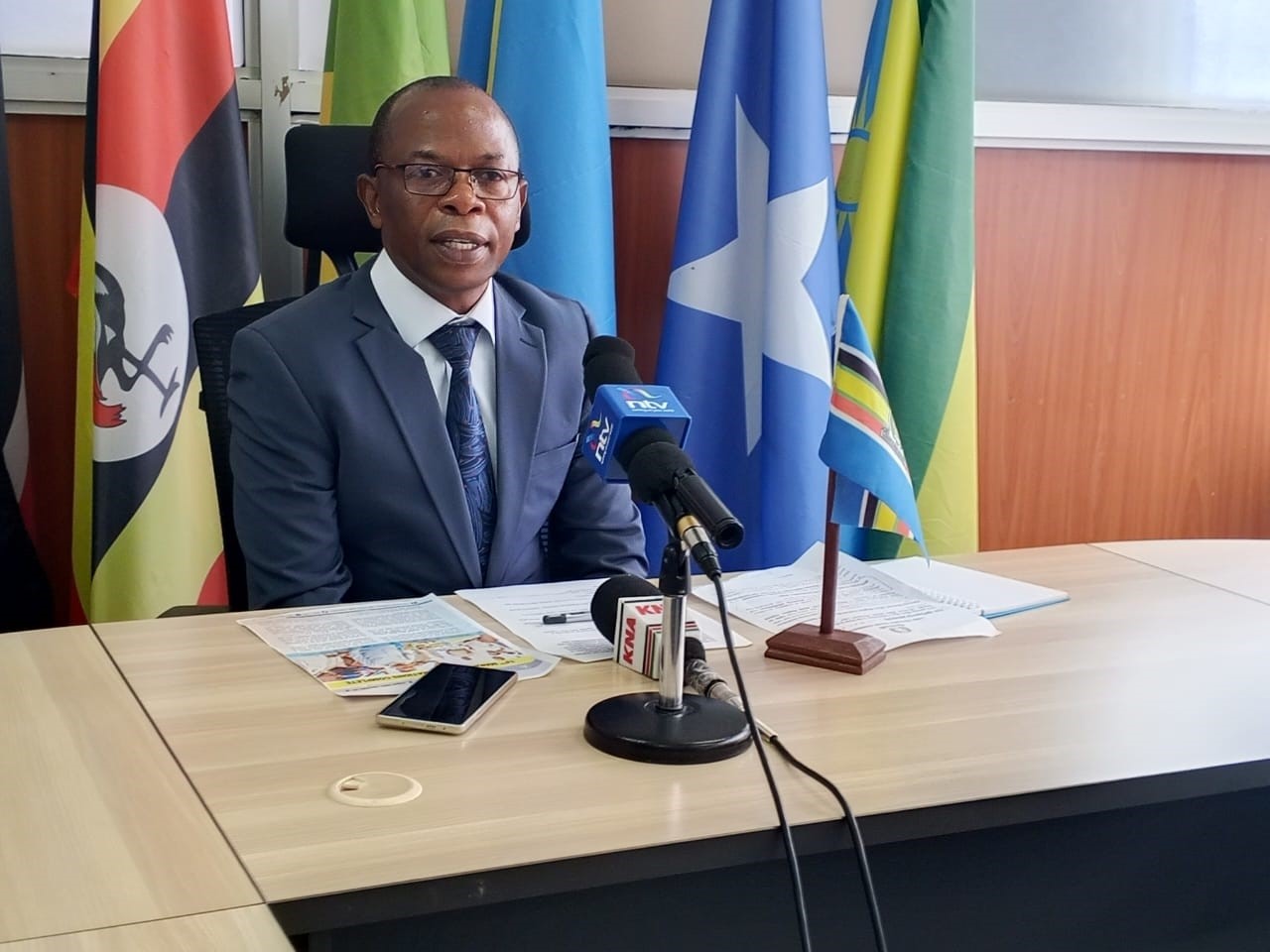
Speaking at the Lake Victoria Basin Commission (LVBC) headquarters in Kisumu ahead of the celebrations, Executive Secretary Dr. Masinde Bwire issued a stark warning, calling the Mara “a lifeline” for both people and wildlife.
“The Mara River is not just a water body. It is a lifeline, for people, wildlife, and the regional economy. We must manage it prudently, protect its ecosystem, and take immediate steps to ensure its sustainability,” Dr. Bwire said.
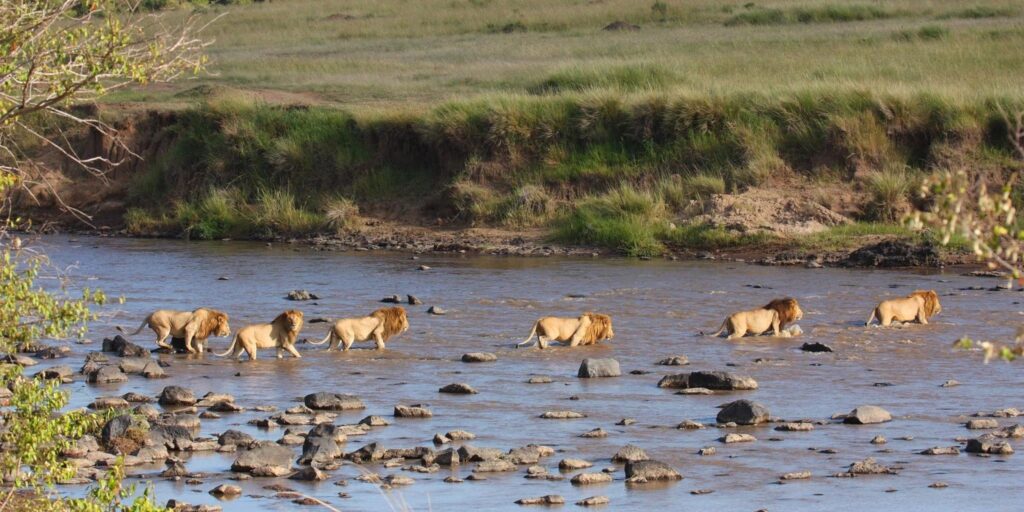
The river sustains millions across Kenya and Tanzania, serving as a critical water source for agriculture, livestock, domestic use, and the world-famous wildebeest migration that draws global attention to the Maasai Mara and Serengeti.
But the lifeline is under siege. Dr. Bwire cited raw sewage discharges, industrial waste, unchecked deforestation, and unsustainable sand harvesting as major threats eroding the river’s resilience and endangering biodiversity.
“We are seeing worrying trends, industries polluting the water, forests being cleared at an alarming rate, and unsustainable practices degrading riverbanks and wetlands. Environmental degradation must stop,” he said, urging regional governments to enforce stricter conservation measures.
The Mara River Basin, a key sub-catchment of the Lake Victoria Basin, is central to East Africa’s socio-economic and ecological well-being. Any disruption, experts warn, could trigger ripple effects on water levels and biodiversity across the Lake Victoria ecosystem.
The celebrations featured conservation exhibitions, cultural dances, tree planting, and a youth-led forum emphasizing the role of future generations in safeguarding natural resources. Communities were urged to embrace conservation agriculture, reduce charcoal dependence, and participate in reforestation initiatives.
Dr. Bwire reaffirmed LVBC’s commitment to working with partner states, civil society, and local communities in integrated water resources management, warning that the time for action is now.
“We must act not just for today, but for the generations that come after us. Let us commit to a future where the Mara River continues to flow, full of life and vitality, sustaining both nature and people,” he said.
As the celebrations closed, the message was clear: the Mara River is a shared heritage, and its survival a shared responsibility.