

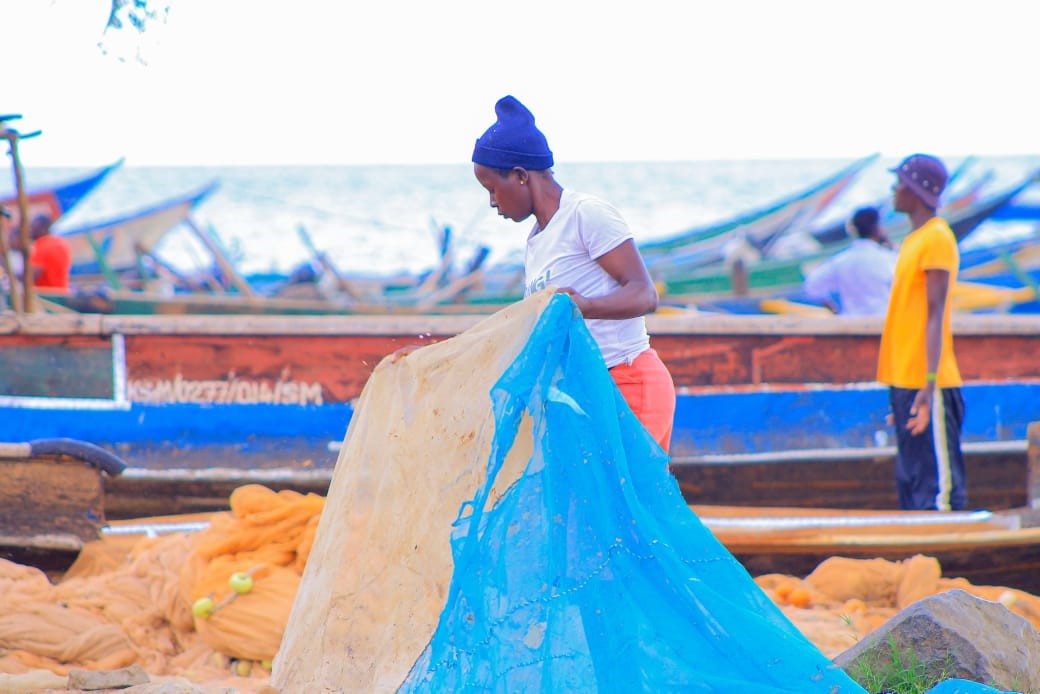
Africa’s largest freshwater lake is on the brink of ecological collapse. Environmental experts have issued a dire warning over the future of Lake Victoria, sounding the alarm on rising pollution, rampant overfishing, and severe siltation that threaten to choke the very lifeline of millions across East Africa.
“We are sitting facing the lake, and what we are seeing is a dying lake—this lake is nearly dead,” said Prof. Raphael Kapiyo, a leading environmental scientist and head of the Environmental Science Department at Maseno University.
Prof. Kapiyo, who also chairs the Uhai Lake Forum—a conservation initiative named after the Swahili word Uhai, meaning “life”—called for an urgent, united effort to salvage what remains of the once-bountiful lake.
“Our mission is to conserve this lake by empowering communities and creating lasting impact through collaborative and innovative solutions,” he told attendees at this year’s Lake Victoria Day commemorations held at Asat Beach, Seme Sub-County.
This year’s celebration, themed “Land and Natural Resources Rights: Strengthen Access to Justice for Women, Youth and PWDs”, comes against the backdrop of growing concern over the lake’s health.
WATERS ON THE EDGE
Once known for its crystal-clear waters and vibrant biodiversity, Lake Victoria is now grappling with toxic pollution and a vanishing fish population. Raw sewage, industrial waste, and agricultural runoff continue to flow into the lake unchecked, with devastating consequences.
According to Ms. Morelly Adala, a researcher at the Kenya Industrial Research and Development Institute (KIRDI), the quality of water in the lake has drastically deteriorated.
“We’re witnessing a tremendous decline in fish catch. Discharge of raw effluent has made life unbearable for aquatic species,” she said.
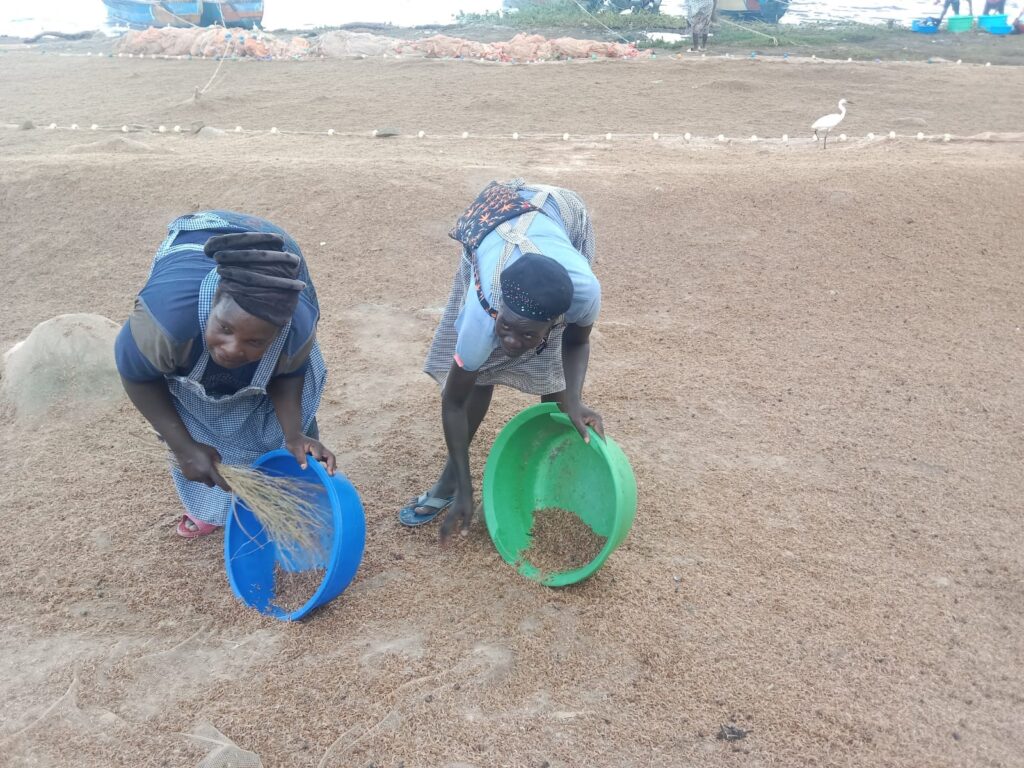
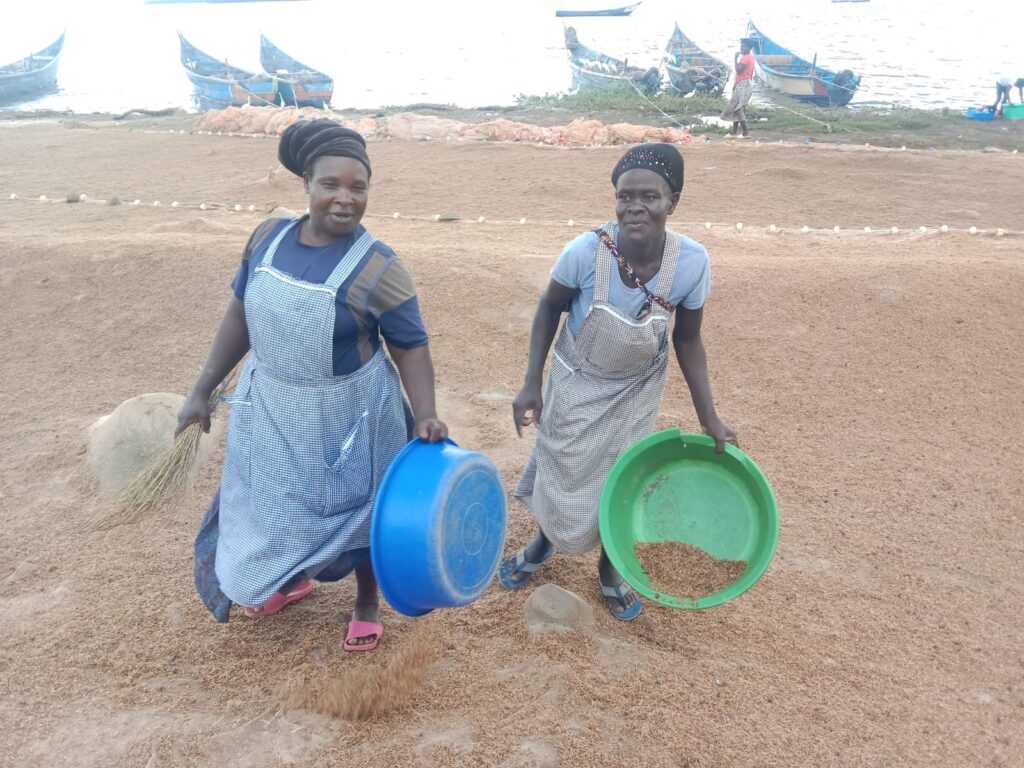
One alarming indicator is the growing presence of ochonga—a fish species primarily used for animal feed. Once a rare catch, it is now the dominant species in many fishing beaches, a signal of worsening water conditions.
“In this beach, no edible fish are landing anymore. What we’re getting is ‘ochonga’—a clear sign that the lake is on its deathbed,” Adala added.
FISHING FUTURES FADE FAST
As iconic species vanish, the economic impact is being felt hard by local communities. Fishermen and fishmongers now depend on ochonga to survive. Rose Awino, a trader at Asat Beach, said demand is surging, especially from Tanzania and Nairobi.
“In a good month, I can make up to Sh30,000 from selling ochonga. This is what is selling now—there is no fish,” she explained.
KIRDI, in collaboration with local communities, is now exploring value addition as a lifeline for the region’s fisheries. “Let’s capitalize on what’s left. With support, a pilot plant could turn ochonga into a profitable animal feed industry, boosting local businesses and creating jobs,” said Adala.
NILE PERCH AND A CHANGING ECOSYSTEM
Experts also attribute the depletion of native fish species to the introduction of the Nile Perch in 1979, a voracious predator that decimated smaller fish and is now reportedly cannibalizing its own kind due to dwindling food sources.
“Some of us drank this water straight from the lake. It was sweet—something you can’t find today. Now, it’s saline,” Prof. Kapiyo recalled with nostalgia.
TIME TO ACT IS NOW
Joseph Ngome, Chair of the Kenya Nile Discourse Forum, warned that the stakes could not be higher.
“Lake Victoria is the source of life for millions. We must treat its conservation as a continental priority,” he said.
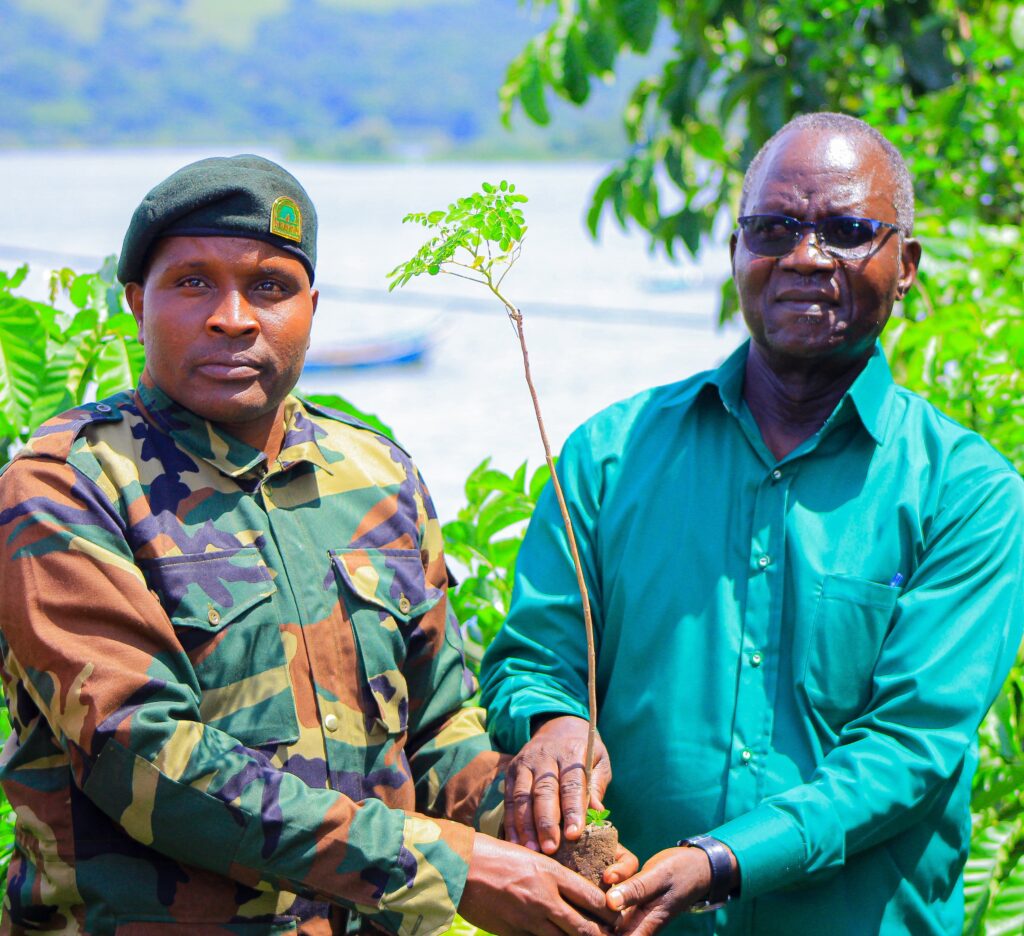
The three-day Lake Victoria Day celebration concludes Monday with renewed calls for policy reform, stronger environmental enforcement, and grassroots mobilization to reverse the decline.
“If we ignore the little things happening around the lake, we will sink with it,” Prof. Kapiyo warned.
As the waves of Lake Victoria lap against Asat Beach, the message is crystal clear: act now—or lose Africa’s largest freshwater treasure forever.