


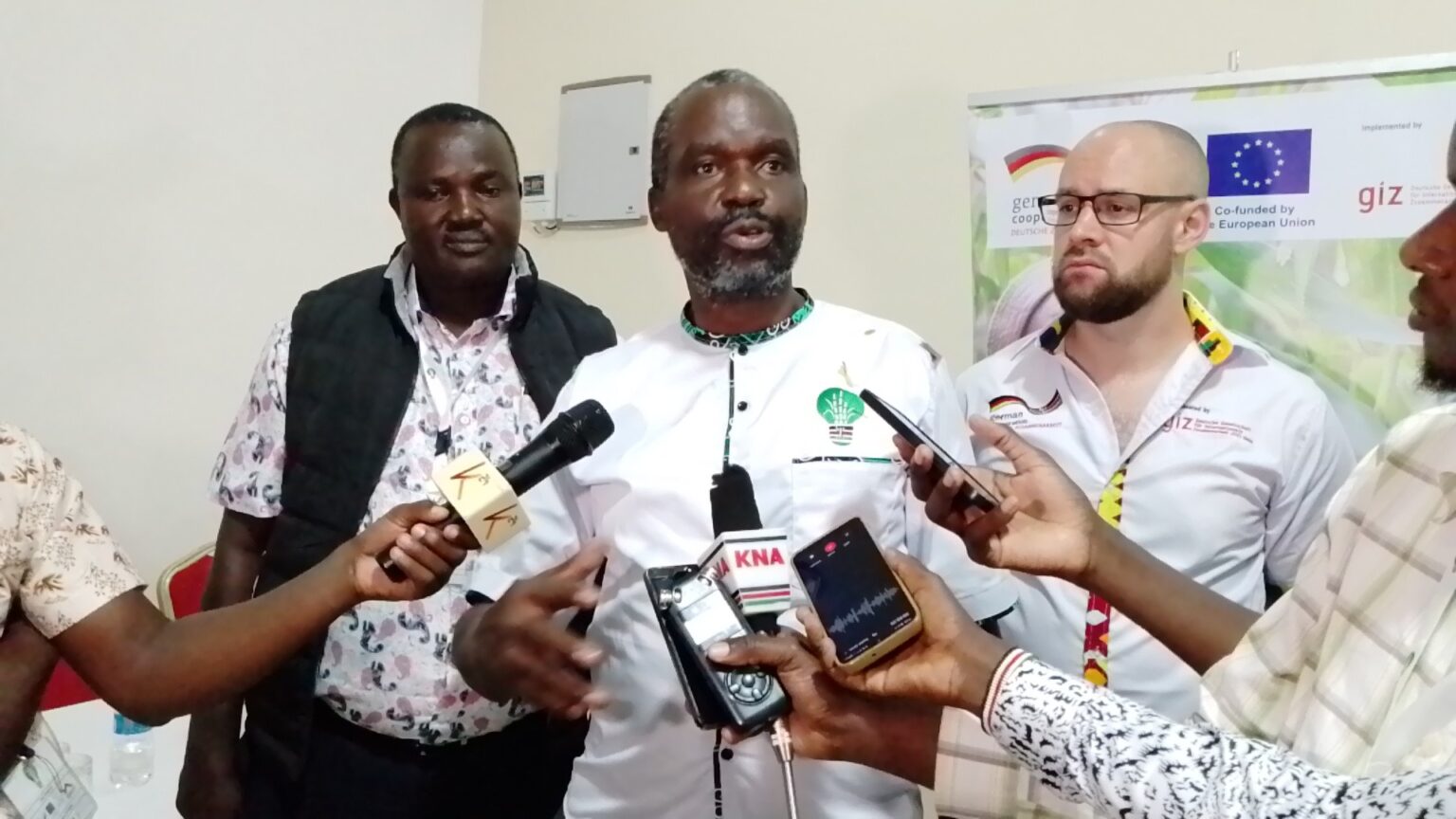
The Kenya Sugar Board, in collaboration with the German Development Agency (GIZ), has launched the Kenya Sugarcane Growers Guide, a transformative tool aimed at increasing efficiency and boosting sugarcane yields. The launch took place on Wednesday, December 4, at the Grand Royal Swiss Hotel in Kisumu during the Sugar Industry Innovation Symposium Expo.

This year’s symposium, themed “Youth Opportunities in the Sugar Value Chain,” brought together sugarcane farmers, millers, researchers, policymakers, and industry leaders to discuss innovations for a sustainable and youth-driven sugar sector.
Speaking at the event, Kenya Sugar Board Chairman Hon. Nicholas Gumbo highlighted the guide’s potential to revolutionize sugarcane farming.
“The guide provides a comprehensive framework for establishing and maintaining sugarcane crops, improving soil quality, conserving water, and optimizing transportation and processing costs to maximize returns for farmers and millers,” said Gumbo.
He also emphasized the need to explore sugarcane byproducts as alternative resources, such as biofuel, to address climate change while promoting sustainability.
“This guide not only focuses on sugar production but also explores sugarcane as a source of byproducts like biofuel, which other nations are already leveraging. We encourage farmers to embrace these opportunities,” Gumbo added.
Supporting Farmers and Youth Innovation
Gumbo underscored the importance of engaging youth in the sugar value chain, urging them to innovate around marketing, production, and diversification of sugarcane varieties.
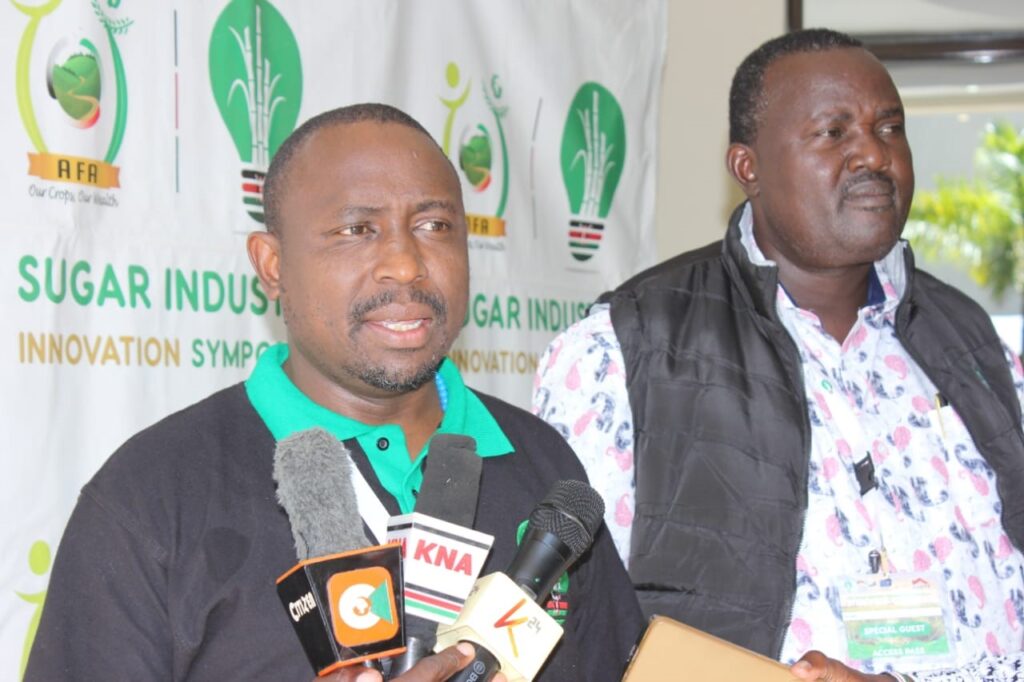
With the guide’s implementation, Gumbo projected significant growth in the sugar sector, positioning Kenya as a leading sugar exporter and reducing domestic sugar prices.
A Collaborative Effort for Sustainability
David Kersting,GIZ Project Manager, described the guide as a product of collaboration between Kenya Sugar Board, GIZ, the Agricultural Food Authority (AFA), and the Kenya Agricultural and Livestock Research Organization (KALRO).
“The revised guide is based on agroecological principles, preparing the ground for more sustainable food systems while enhancing soil health and productivity,” Castin stated.

Jude Chesire, CEO of the Kenya Sugar Board, reiterated the guide’s role in empowering farmers to produce high-quality sugarcane, improving both local consumption and export potential.
“The Sugar Board is committed to supporting farmers with resources and knowledge to achieve excellence in sugarcane farming,” said Chesire.
Tackling Challenges
Hon. Samuel Ong’ou, Director at AFA, emphasized the guide’s role in addressing challenges such as high production costs and inefficiencies in the sector.
“With innovations like cane censure technology, we can achieve accuracy and timeliness in sugarcane farming, easing the production process for farmers,” Ong’ou noted.
The launch of the Kenya Sugarcane Growers Guide marks a pivotal step toward sustainable practices, increased yields, and economic growth within Kenya’s sugar industry.