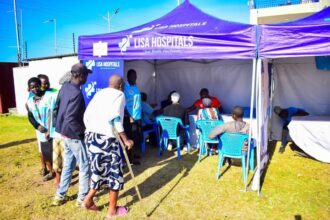


On a brisk November morning in Homa Bay County, the air buzzed with anticipation. At the Kenya Medical Training College grounds, government officials, healthcare professionals, parents, and global partners gathered to commemorate World Prematurity Day. Beneath the theme “Access to Quality Care for Small and Sick Newborns Everywhere,” an urgent message was woven: the survival and well-being of Kenya’s most vulnerable depend on deliberate action, innovation, and unyielding commitment.

The statistics are as sobering as they are motivating. Kenya’s neonatal mortality rate stands at 21 deaths per 1,000 live births—nearly double the Sustainable Development Goal (SDG) target of 12. Over half of these deaths occur within the first 28 days of life, with prematurity contributing to 37% of these losses. Behind every number lies a story, a family, and a future cut short. Yet, amidst these daunting figures, there’s a glimmer of hope—a determination to rewrite the narrative.
A Crisis Rooted in Prematurity
Prematurity is the leading cause of neonatal mortality in Kenya, a reality that carries profound implications. Infants born prematurely face an uphill battle, often grappling with respiratory distress syndrome, apnea, and neonatal sepsis. These challenges aren’t just clinical; they’re emotional and financial, deeply affecting families and communities.
Globally, 13.4 million babies are born too soon each year, with sub-Saharan Africa bearing the brunt. In Kenya, this translates to an estimated 100,000 to 150,000 preterm births annually. But what happens next? For many, the odds are daunting, but this doesn’t have to be the case.
From Policy to Practice: A Holistic Approach
In response to these challenges, Kenya’s Ministry of Health, in collaboration with partners like the Clinton Health Access Initiative (CHAI), UNICEF, and the Kenya Pediatric Association, is charting a path toward solutions. This year’s World Prematurity Day marked significant milestones in newborn health, from the launch of updated training packages to the flagging off of life-saving bubble Continuous Positive Airway Pressure (CPAP) machines.

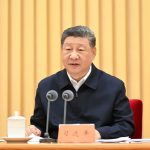
Cabinet Secretary for Health, Hon. Dr. Deborah Barasa, underscored the Ministry’s multi-faceted strategy. “Providing quality care means equipping healthcare facilities, training health workers, and involving families in the caregiving process,” she stated, highlighting Kenya’s commitment to bridging care gaps.
Tools of Survival: Innovations in Care
The interventions showcased in Homa Bay were nothing short of transformative. CHAI’s Associate Director, Betty Wariari, emphasized the organization’s dedication to empowering healthcare systems. Among the key contributions were:
- Training and Capacity Building: Over 500 healthcare workers across nearly all counties have been trained in comprehensive newborn care, equipping them to address complications like apnea of prematurity and sepsis.
- Essential Equipment: Donations of handheld pulse oximeters, CPAP machines, and phototherapy units have begun to fill critical gaps, especially in underserved areas like Homa Bay.
- Life-Saving Medications: A groundbreaking 70% price reduction for caffeine citrate—used to manage apnea in preterm infants—has ensured broader access, with CHAI donating 30,000 ampoules to public health facilities.
These measures are not merely about survival but about ensuring that every child has a chance to thrive, fulfilling their potential.

Care That Starts With Community
Perhaps the most poignant moments of the day came from the caregivers and healthcare workers themselves. “It’s not just about the machines and medicine; it’s about love and resilience,” shared one nurse. Parents echoed similar sentiments, expressing gratitude for the support systems that have helped their little ones defy the odds.
Homa Bay County, with its proactive leadership in Maternal and Perinatal Death Surveillance and Response (MPDSR), exemplifies what’s possible when communities unite behind a shared goal. The county’s efforts to integrate care models and prioritize neonatal health offer a blueprint for other regions.
The Road Ahead: Leaving No Newborn Behind
While significant progress has been made, the journey to achieving the SDG targets remains steep. Hon. Dr. Barasa issued a call to action: “Counties must prioritize investments in newborn care—improving infrastructure, scaling up human resources, and ensuring essential medicines and diagnostics are available.”

Collaboration remains the cornerstone of success. Development partners, healthcare professionals, and local governments must continue working together to close the gaps in care. With initiatives like the Kenya Every Woman, Every Newborn, Everywhere action plan, there’s hope for a future where no child is left behind.
As the sun set on Homa Bay’s commemoration, the message was clear: every newborn life matters. Behind the speeches and statistics lies a collective resolve to turn aspirations into actions, ensuring that Kenya’s tiniest and most vulnerable citizens not only survive but thrive.