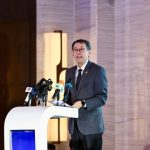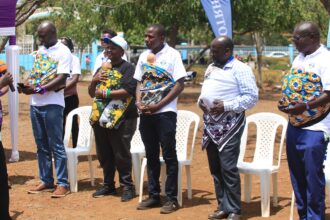


The Kisumu Medical and Education Trust (KMET) has unveiled a series of transformative healthcare innovations, including Tiba Mashinani, an E-commerce platform, and a Data Management Information System (DMIS), in a groundbreaking ceremony held on Monday in Kisumu.

Transforming Healthcare Financing and Service Delivery
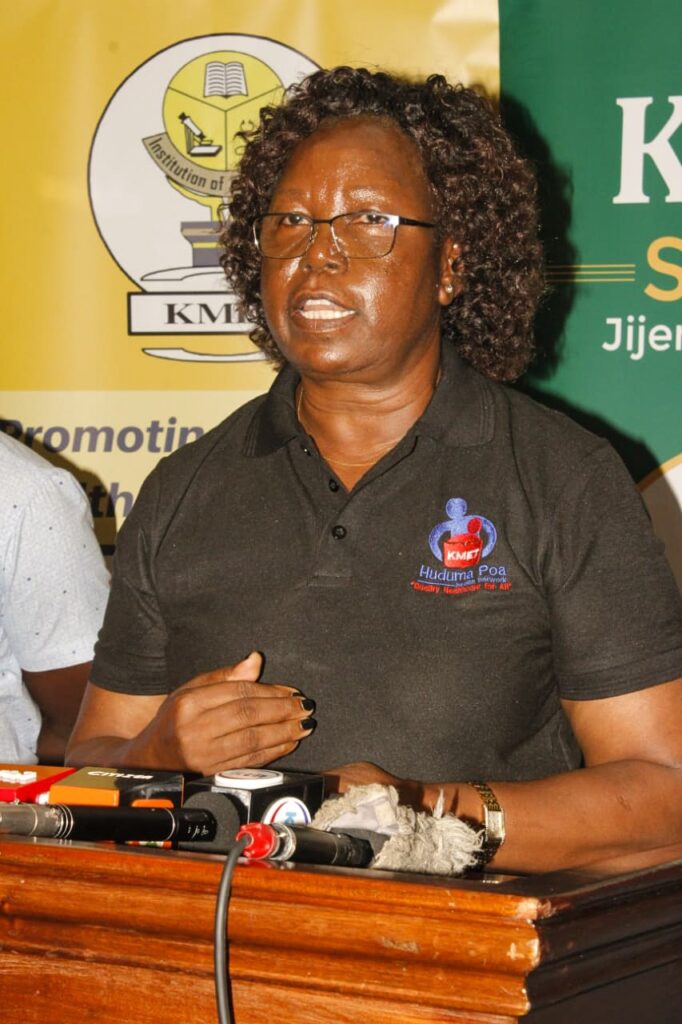
Speaking at the launch, Dr. Monica Oguttu, Founding Executive Director of KMET, highlighted how Tiba Mashinani will enhance service quality through structured health financing, ensuring quality care reaches underserved communities.
“We all know the challenges with health insurance—many in our communities cannot access services. As KMET, we are bringing quality healthcare where the need is greatest. Apart from engaging our network members, we are launching two critical products: Tiba Mashinani, which provides health financing for primary healthcare, and a data management system to improve quality assurance. KMET is already a licensed SafeCare provider, ensuring high standards in healthcare delivery,” Dr. Oguttu stated.
Data-Driven Healthcare for Better Decision-Making
Dr. Oguttu emphasized the importance of KMET’s Data Management and Reporting System, which will collect real-time data from pharmacies and private clinics to improve decision-making and resource allocation.
“This system allows us to gather accurate data from healthcare facilities, ensuring that every decision we make is evidence-based. Data is at the heart of everything KMET does, and this tool will act as proof of the impact we are making in the healthcare sector,” she noted.
Tackling Maternal Mortality Through Smart Investments
Dr. Oguttu stressed the urgency of addressing preventable maternal deaths, identifying the “Big Five” killers of women—postpartum hemorrhage, sepsis, obstructed labor, hypertensive disorders in pregnancy, and unsafe abortion—as key areas requiring intervention.
“Just as tourists come to Kenya to see the Big Five, in the health sector, we talk about the Big Five that kill women. These deaths are preventable if we invest wisely. Postpartum hemorrhage, infections, obstructed labor, pregnancy-related hypertension, and unsafe abortion—all these can be managed with proper healthcare interventions. Our health financing system will support clinics in delivering high-quality services, ensuring no woman dies from preventable causes,” she asserted.
Sustainable Healthcare Financing Amid Global Funding Cuts
Dr. Oguttu also addressed concerns about the impact of U.S. funding restrictions, stating that KMET remains resilient through strong local partnerships and smart resource allocation.
“The directive by former U.S. President Donald Trump to cut aid to Kenya did not significantly affect us because we have built strong collaborations with county governments. Our priority has always been budget allocation at the county level, and we work closely with teams to optimize available resources,” she explained.

She highlighted KMET’s successful resource mobilization strategy, which includes partnerships with corporate organizations such as Stanbic Bank, which funds cervical cancer screening and treatment programs. Additionally, KMET’s independent investments, including the KMET Complex, provide financial sustainability, unlike organizations that rely solely on donor funding.
“Many organizations reliant on USAID funding have struggled, but KMET has remained strong because we have invested wisely. Our KMET Complex, which houses clinics and offices, allows us to generate income and continue our mission without external dependency,” she concluded.
Kisumu County Pledges Commitment to Data-Driven Healthcare
The Kisumu County government reaffirmed its commitment to improving healthcare services through a data-driven and technology-based approach in partnership with KMET.
Speaking at the launch, Kisumu County Director of Medical Services, Dr. Ogolla Don, underscored the role of technology and data in achieving a productive population.
“Our vision in Kisumu is to have a productive population, and this can only be achieved through technological and evidence-based services. KMET, our great partner, has launched products that are both technology- and data-driven. These tools will enhance our data collection and decision-making, helping us fulfill our mission,” said Dr. Ogolla.
He highlighted the county’s Primary Care Network (PCN) as a foundation for delivering healthcare services at the grassroots level.
“We must leverage what we already have—the Primary Care Network—so that we can provide these services effectively at the lower level,” he noted.
Dr. Ogolla outlined three key pillars crucial for improving healthcare service delivery in Kisumu County:
- Financing – KMET’s newly launched financing model will play a significant role in service delivery.
- Product Supply – Ensuring a continuous and reliable supply of medical products.
- Healthcare Workforce – Supporting and training well-educated, motivated healthcare providers, a role KMET has been actively fulfilling.
“We hope that through this partnership with KMET, our services and health indicators will improve. The quality of care we provide will align with Kisumu County’s vision and mission,” he added.

KMET’s Commitment to Primary Healthcare
KMET Board Member and Founding Member, Dr. Solomon Orero, praised the organization’s efforts in advancing primary healthcare in line with government priorities.
“KMET has lived up to its original goal of ensuring that everyone in the community receives the healthcare services they deserve. With the government’s focus on primary healthcare, I am proud to be associated with KMET, as it has set the standard for how primary healthcare should be implemented,” said Dr. Orero.
He expressed confidence that the newly introduced innovations will enhance service delivery and improve access to quality healthcare in the region.