

The government has mounted a robust defence of its decision to partially divest its shareholding in Safaricom PLC, dismissing criticism from opposition leaders as misleading and maintaining that the transaction is lawful, strategic, and intended to finance critical national infrastructure projects.
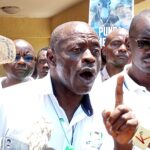
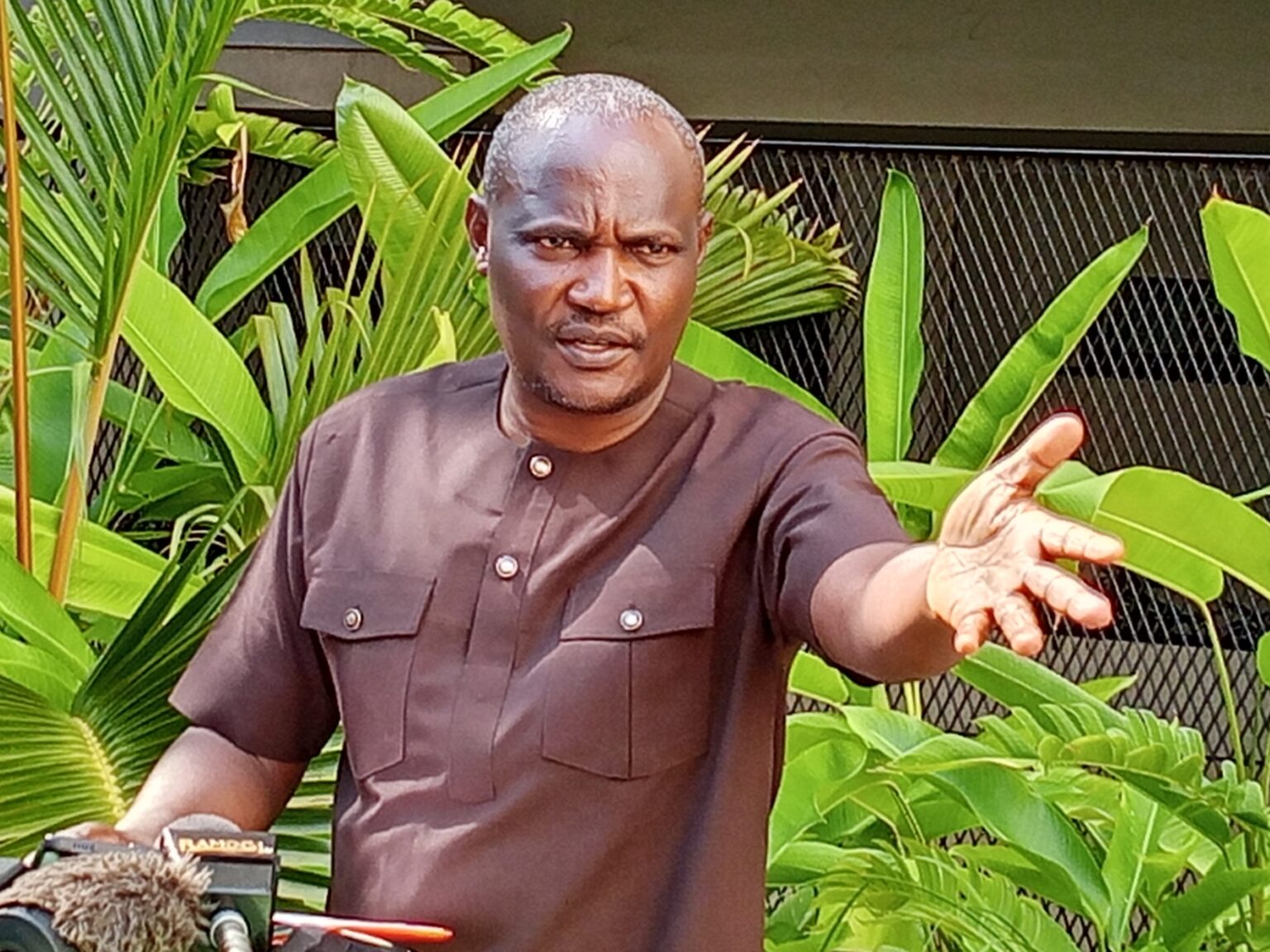
National Treasury and Economic Planning Cabinet Secretary John Mbadi rejected concerns raised by Wiper leader Kalonzo Musyoka and former Public Service Cabinet Secretary Justin Muturi, saying the sale was a carefully considered policy decision designed to support Kenya’s long-term social and economic development.
Mbadi said the transaction was undertaken strictly within the law and in full compliance with court directives.
“The action taken by the government in respect of shares in Safaricom is a deliberate and strategic move to sustain the social contract between the people and their government. Attempts to confuse the public through misinformation and disinformation cannot go unchallenged,” Mbadi said.
He noted that the matter remains before the courts and cautioned politicians against engaging in public debate that could prejudice ongoing judicial proceedings.
“It would be inappropriate and contrary to established constitutional practice to encourage substantive public debate on issues that are awaiting judicial determination. The government remains committed to the judicial process and will abide by all lawful directions and the final determination of the courts,” he said.
The Treasury said the transaction proceeded only after the Court of Appeal lifted conservatory orders issued by the High Court, which had temporarily suspended the sale.
According to the government, the appellate court considered wider public interest in reaching its decision, including fiscal sustainability, market stability, investor confidence, and the economic consequences of delaying the transaction and planned development projects.
Mbadi also dismissed claims that the process lacked public participation, insisting that both the Executive and Parliament conducted extensive public consultations before approving the sale.
“We conducted extensive public participation, and the National Assembly also undertook a comprehensive public participation exercise. I want to ask Kalonzo Musyoka and Justin Muturi: where did you conduct your public participation? Being in the opposition does not give anyone the authority to make uninformed conclusions and mislead Kenyans,” he said.
The government further clarified that proceeds from the partial divestiture will not be used to finance recurrent expenditure but will instead be channelled into the National Infrastructure Fund to support key development projects across the country.
Officials said the State currently holds a 20 per cent stake in Safaricom after previous administrations progressively reduced government ownership from 100 per cent through earlier share sales, with the proceeds largely used to finance the national budget.
President William Ruto’s administration has defended the latest sale, arguing that unlike previous divestitures, the funds raised will be invested in strategic infrastructure projects aimed at accelerating economic growth, creating jobs, and improving the delivery of public services.