

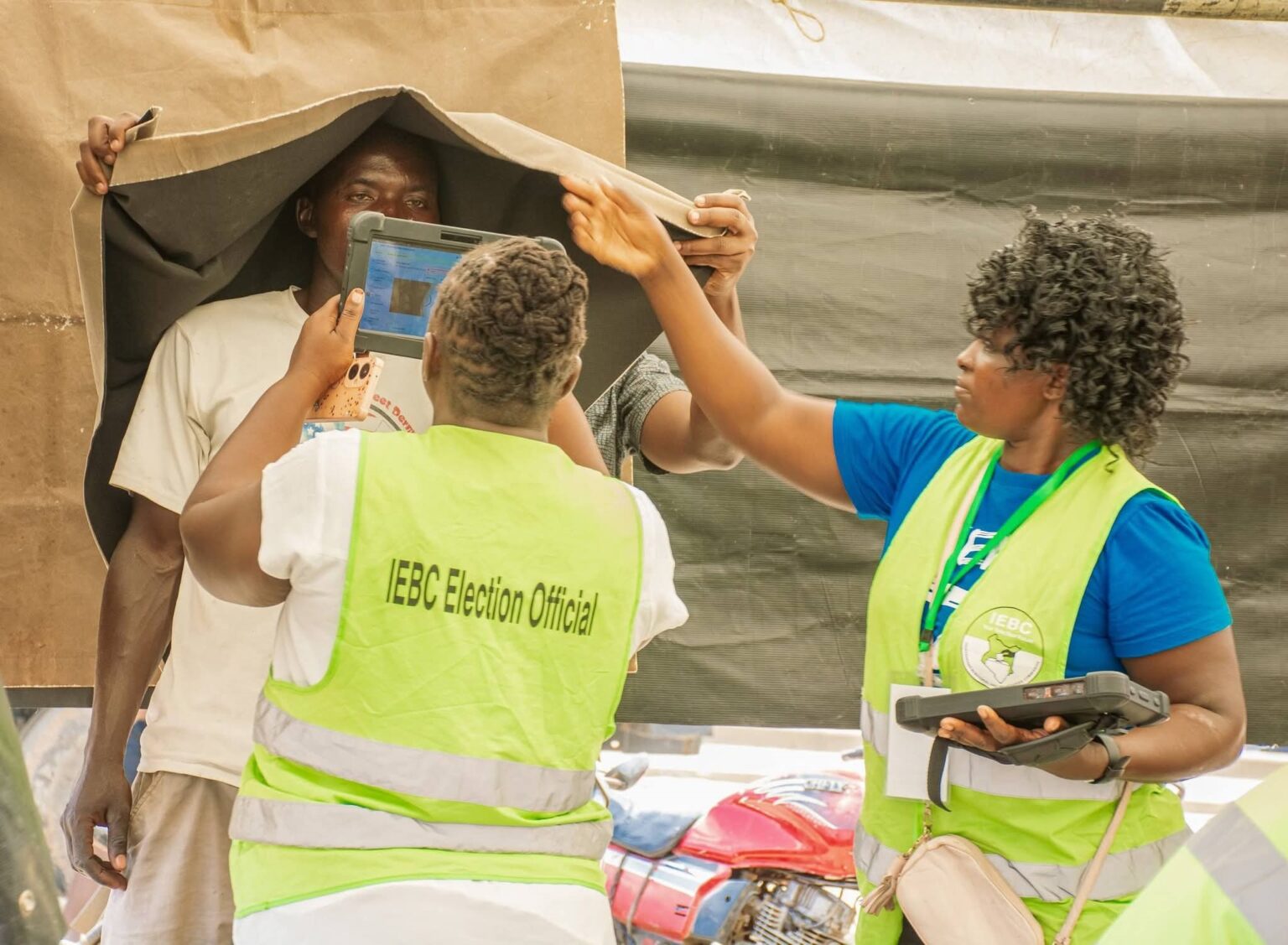

The registration of young voters ahead of the 2027 elections has become a fierce contest between political parties vying for Kenya’s largest demographic, and a growing force in the country’s politics.

The Youth Vote Matters
Kenya’s youth population, aged 18 to 35, accounts for more than 75 per cent of the electorate. With the country’s median age at just 20 years, young people hold the key to electoral success — and political parties know it.
The registration drive has been marked by intense competition, with parties deploying teams to universities, informal settlements, and rural areas where young people are concentrated. Registration centres have seen long queues, particularly in Nairobi and the coastal region, where youth populations are densest.
A New Political Landscape
For the first time, Gen Z voters are organizing independently of traditional party structures. Social media platforms have become the primary battleground, with young people mobilizing through TikTok, X, and WhatsApp groups. The hashtag #OMWENGA has trended across Kenyan social media, reflecting a growing sense of political agency among the youth.
Unlike previous generations of voters, Gen Z is less influenced by ethnic voting patterns and more focused on issues like unemployment, digital rights, and climate change. This shift is forcing political parties to rethink their strategies and appeal to young voters on their own terms.
What This Means for Kenya
The battle for the youth vote is reshaping Kenya’s political landscape. Parties that fail to engage young voters meaningfully risk being left behind — both politically and economically. As Gen Z voters become more organized and vocal, the country’s political parties will need to adapt or risk irrelevance.