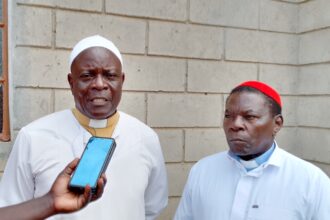


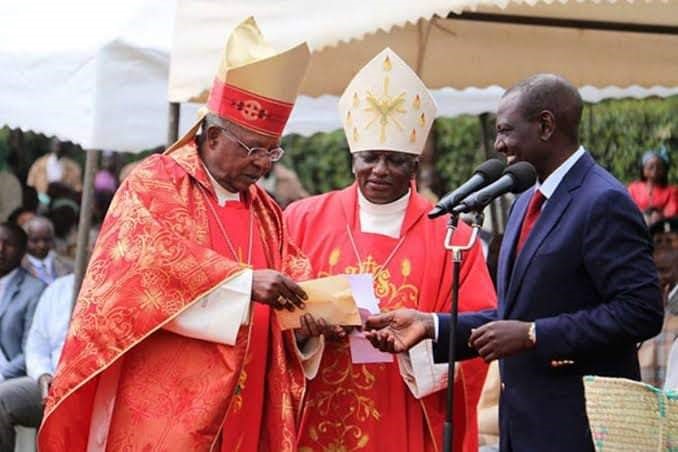
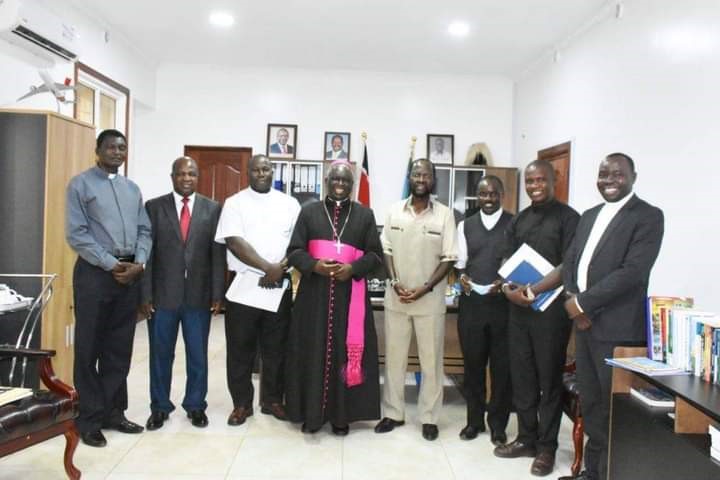
The Catholic Archdiocese of Nairobi has taken a bold stand against political donations, announcing its decision to return funds received from President William Ruto and Nairobi Governor Johnson Sakaja. Nairobi Metropolitan Archbishop Rev. Philip Anyolo, in a press statement on Monday, November 18, stated that the Church seeks to uphold its integrity and independence by rejecting contributions that risk compromising its neutrality.
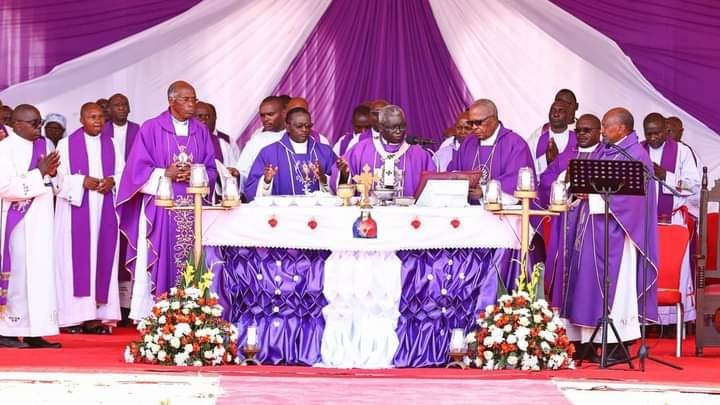
The move follows a nationwide address by the Kenya Conference of Catholic Bishops (KCCB) on November 14, which outlined critical national issues requiring government action. The statement, read in all churches within the Nairobi Archdiocese on Sunday, November 17, reaffirmed the Church’s position against the use of worship spaces for political gain.
Archbishop Anyolo emphasized the Church’s commitment to preserving the sanctity of worship and avoiding associations with political self-promotion.
“The Church must remain a neutral entity, free from political influence, to effectively serve as a space for spiritual growth and community guidance,” he said.
Donations Violated Church Policy and Law
Anyolo revealed that donations made during a service at Soweto Catholic Church on November 17 violated both the directives of the KCCB and the Public Fundraising Appeal Bill 2024, which mandates permits for fundraising activities.
President Ruto had donated KSh 600,000 to the choir and Parish Missionary Council (PMC) and an additional KSh 2 million for the construction of a priest’s house. Governor Sakaja contributed KSh 200,000 to the parish choir and PMC. The President also pledged KSh 3 million for further construction and a parish bus.
“The funds received will be refunded to the respective donors,” Anyolo declared, adding that the Church had also declined the promised additional contributions.
A Call for Ethical Leadership
In his statement, Archbishop Anyolo urged politicians to focus on addressing pressing national concerns, including corruption, human rights violations, over-taxation, and political self-interest. He emphasized the Church’s role as a moral compass, stating, “The Church is called to uphold integrity by refusing contributions that may inadvertently compromise its independence or facilitate unjust enrichment.”
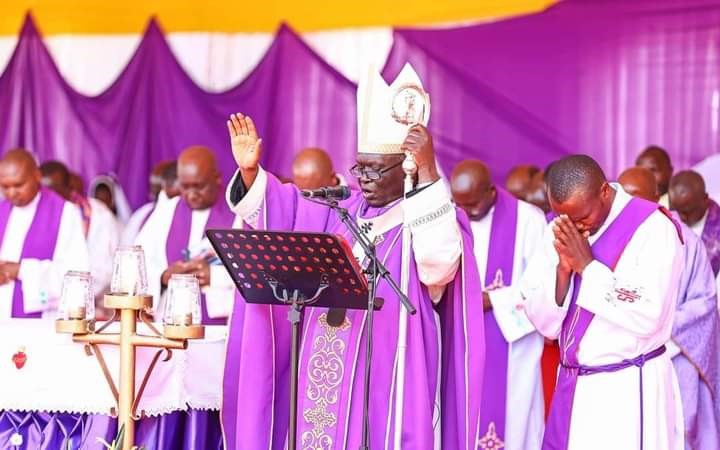
Politicians are encouraged to attend Church services as ordinary Christians for spiritual nourishment, without exploiting their positions for political advantage.
The Church’s bold rejection of the donations highlights its resolve to remain a beacon of ethical and spiritual leadership, undeterred by external pressures.