

What once appeared to be a formidable political coalition capable of mounting a serious challenge to President William Ruto’s re-election bid is increasingly looking like an alliance struggling to contain its own internal contradictions.
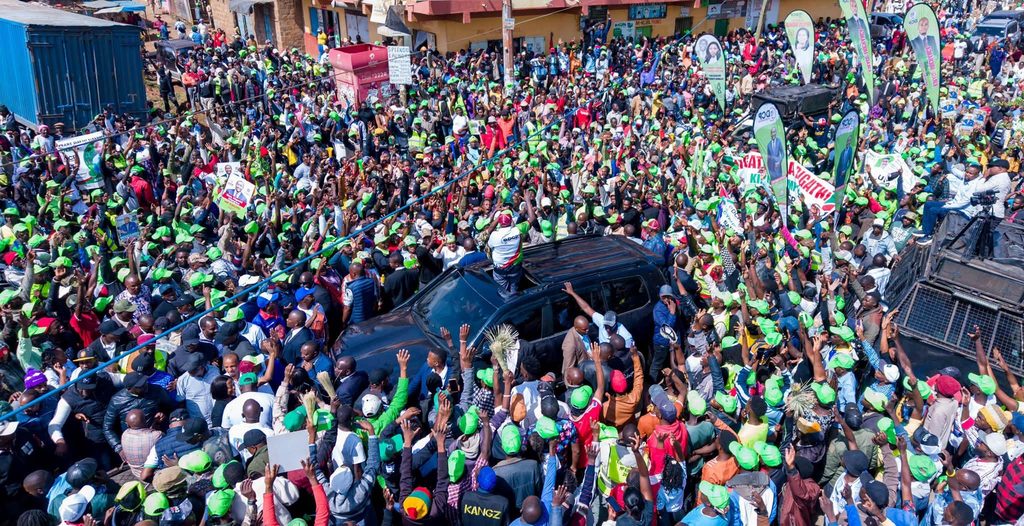
From poetry and Christian theology to Greek mythology and political psychology, several analogies aptly capture the unfolding turmoil within Kenya’s United Opposition. Beneath the public declarations of solidarity lies a growing contest of egos, competing presidential ambitions, regional interests and generational differences that threaten to tear the coalition apart before it even gets off the ground.
The famous line, “Things fall apart; the centre cannot hold,” from William Butler Yeats’ poem The Second Coming, offers perhaps the most fitting description of the opposition’s current predicament.
For Christians familiar with the biblical account of the Tower of Babel, the opposition appears to be experiencing its own Babel moment, with political leaders seemingly speaking different languages despite claiming to pursue a common objective.
In Greek mythology, the internal struggles could be likened to the Titanomachy, the legendary conflict between the Titans and Olympian gods that culminated in a dramatic redistribution of power.
Politically, however, the problem can be summed up as the ‘prima donna syndrome ‘ a situation in which every influential player considers themselves indispensable and deserving of the ultimate prize.
What was expected to be a united political front is now facing headwinds of disunity, with questions emerging over who should lead, who should deputise and whose political ambitions should take precedence.
Gachagua’s Leadership Test
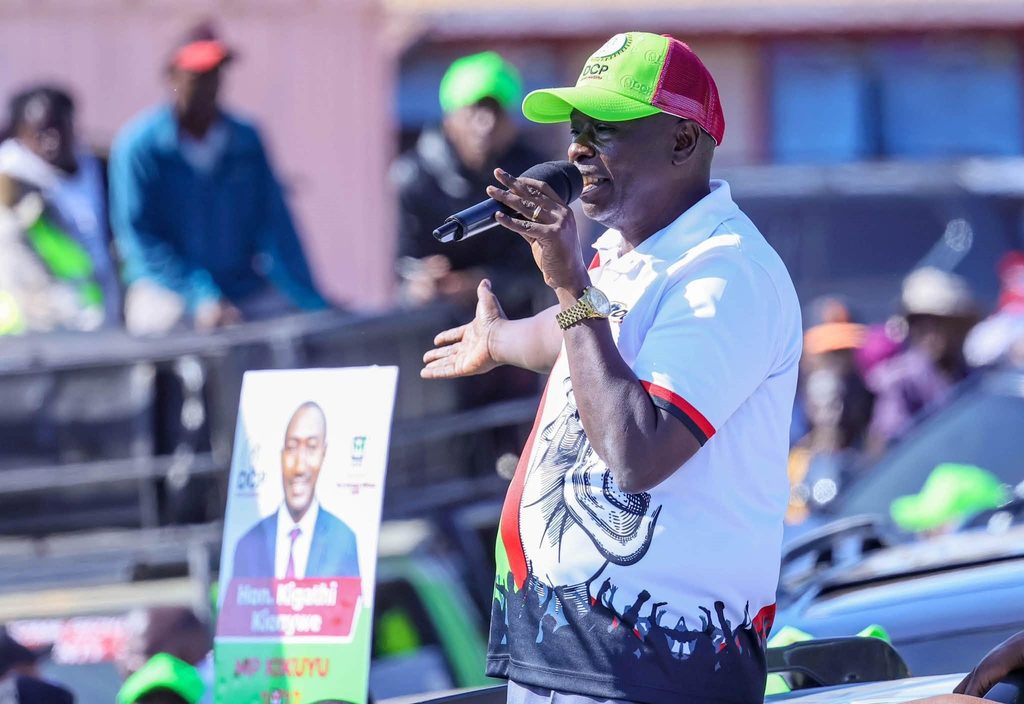
Democracy for the Citizens Party (DCP) leader Rigathi Gachagua, who was widely viewed as the central figure around whom the opposition coalition would revolve, is facing perhaps his biggest political test yet: keeping the competing interests within the outfit together.
After encouraging individual leaders to consolidate their respective political bases, Gachagua now appears to be navigating a delicate balancing act involving personalities with different political calculations and regional constituencies.
His apparent preference for certain political players, particularly Nairobi Senator Edwin Sifuna and Wiper leader Kalonzo Musyoka, has raised questions about the place of other heavyweight politicians in the emerging arrangement.
Kalonzo, in particular, is unlikely to find it politically convenient to play second fiddle, having spent years positioning himself as a presidential contender.
The challenge for Gachagua is that building a coalition requires more than assembling influential personalities. It demands mutual respect, political accommodation and a credible formula for sharing power.
Matiang’i’s Exit Signals Deeper Trouble
Former Interior Cabinet Secretary and Jubilee Party leader Fred Matiang’i appears increasingly uncomfortable with the direction of the opposition’s political arrangements.
His concerns over what he considers a lack of mutual respect within the coalition have exposed the growing difficulty of managing personalities who each command significant political influence.
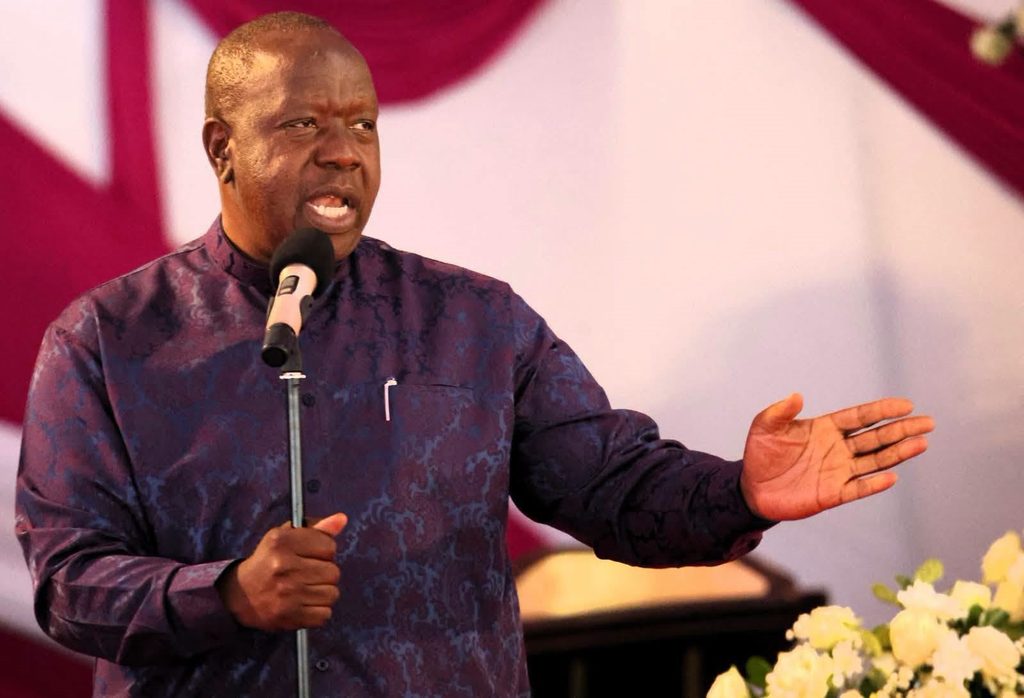
Matiang’i is reportedly exploring closer political engagements with former Justice Minister Martha Karua and Kiharu MP Ndindi Nyoro, signalling the possibility of alternative political alignments.
Despite Gachagua’s dismissive remarks about Nyoro’s political vehicle, the Patriotic Party of Kenya (PPK), which he has likened to a small wheelbarrow associated with President Ruto, the Kiharu MP appears determined to pursue his political ambitions.
The Matiang’i factor is particularly significant because his political credentials and perceived reformist appeal could make him an important asset in any serious opposition arrangement.
If such leaders begin exploring alternative political homes, the opposition risks losing valuable political capital even before the election campaigns gain momentum.
Muturi Raises the Alarm
Former National Assembly Speaker Justin Muturi has also expressed reservations about Gachagua’s leadership style, with concerns over perceived arrogance emerging as another source of friction.
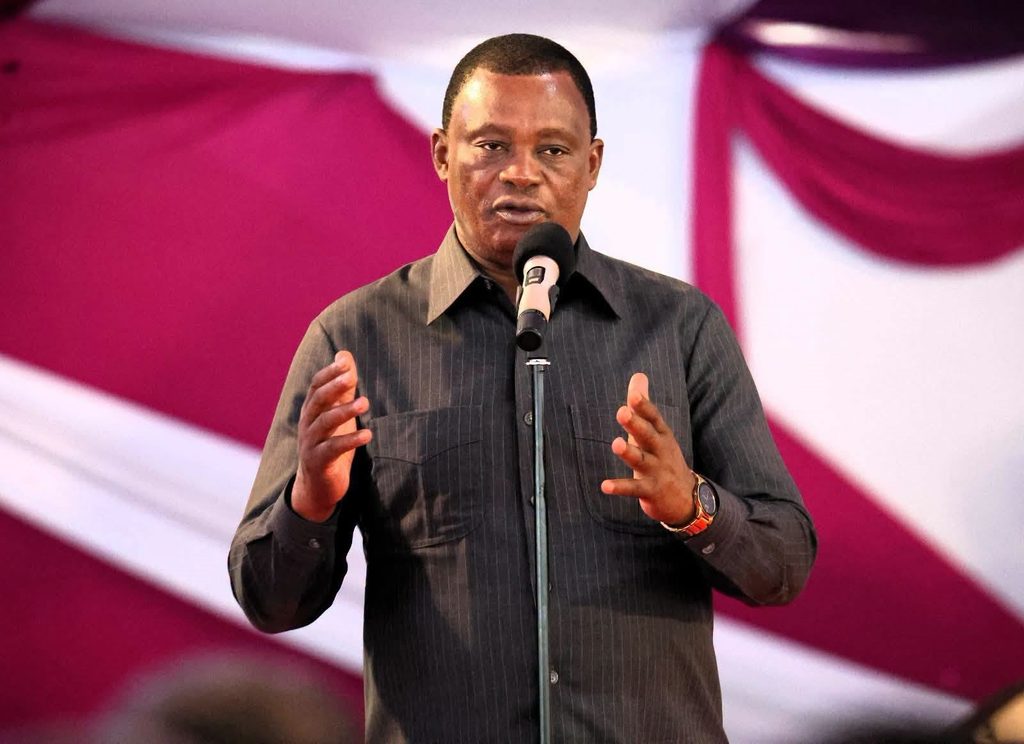
His criticism points to a fundamental question facing the opposition: can a coalition built around the desire to dislodge an incumbent president survive when its constituent leaders struggle to accommodate one another?
The danger is that disagreements over personalities and political positioning could eventually overshadow the very issues that should unite the opposition, including governance, economic performance, accountability and the country’s political future.
The Generational Battle Within the Opposition
Perhaps the most interesting dimension of the unfolding political drama is the emerging generational contest.
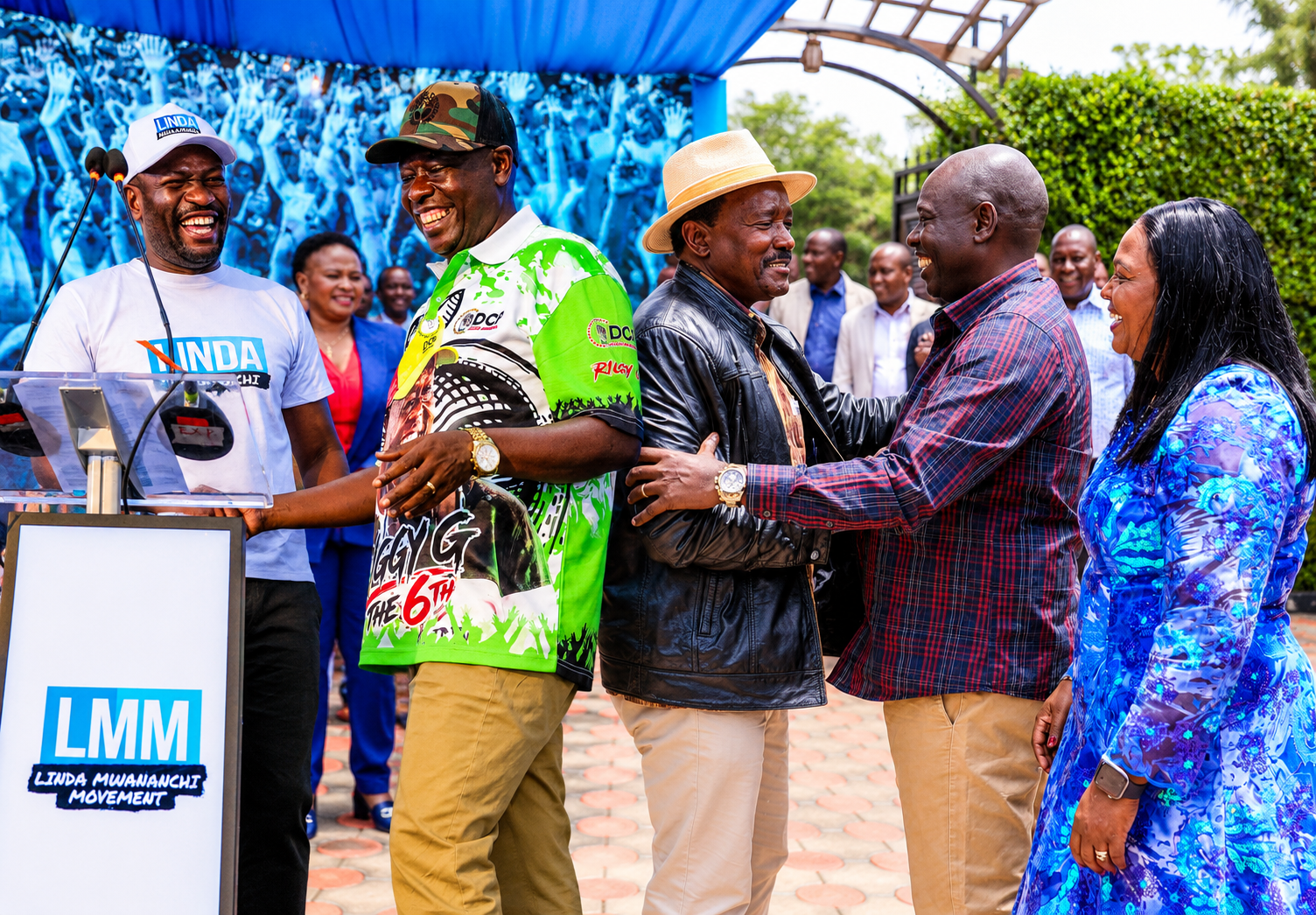
Caleb Amisi, associated with the Linda Mwananchi movement, has consistently advanced the argument that Kenya is approaching a political transition in which the old guard should make way for younger leaders.
His position reflects a growing sentiment among sections of the electorate, particularly younger voters, who are demanding a departure from traditional political arrangements.
Amisi’s preference for Edwin Sifuna as the opposition’s presidential candidate illustrates the extent to which the generational debate is becoming intertwined with the struggle for political leadership.
For the younger political faction, Sifuna represents an opportunity to redefine the opposition beyond the familiar politics of established personalities and regional kingpins.
However, this position is bound to collide with the ambitions of veteran politicians who believe their experience, political networks and electoral influence entitle them to a leading role.
Kalonzo’s Presidential Ambitions
Wiper leader Kalonzo Musyoka remains another critical piece in the opposition equation.
Having contested the presidency and served in senior government positions, Kalonzo is unlikely to readily surrender his presidential ambitions in favour of another candidate.
His political dilemma is straightforward: joining a coalition gives him access to a broader political platform, but accepting a subordinate position could weaken his long-standing quest for the country’s highest office.
For a coalition that needs every available political bloc to mount a credible challenge against Ruto, alienating Kalonzo would be a costly gamble.
Yet accommodating his presidential ambitions alongside those of Gachagua, Matiang’i, Sifuna and other players presents an equally difficult task.
Babu Owino’s Nairobi Calculations
Embakasi East MP Babu Owino is also making his own political calculations as he positions himself for the Nairobi gubernatorial contest.
Through the Mwananchi Party, Owino appears determined to build a political platform that can sustain his ambitions beyond the broader opposition arrangement.
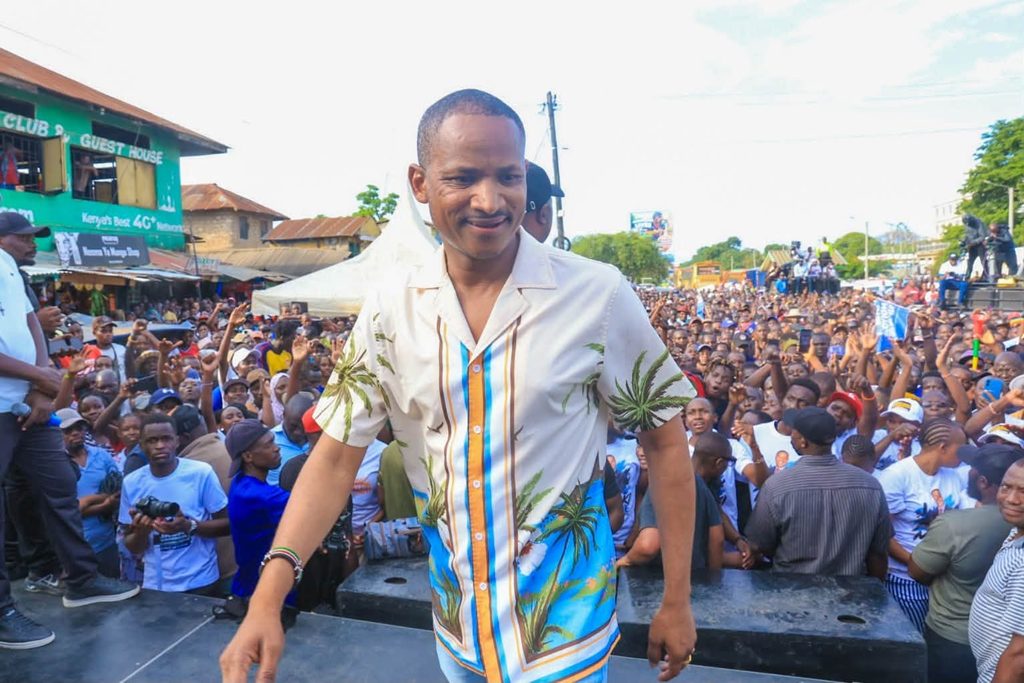
His challenge is that coalition politics often demands compromises, and any agreement that threatens his Nairobi gubernatorial aspirations could create another point of disagreement.
Reports that Gachagua favours a DCP candidate for the Nairobi governorship could further complicate the situation, particularly if the arrangement is driven by regional and ethnic considerations rather than a negotiated political formula.
For Owino, the Nairobi contest is too significant to be sacrificed casually at the altar of coalition unity.
Orengo’s Independent Political Path
Siaya Governor James Orengo, another prominent figure associated with the reform movement and Linda Mwananchi, also appears to be charting a distinct political course through the Liberal Democratic Party (LDP).
Orengo’s political stature, legal background and long association with Kenya’s pro-democracy struggles make him an important figure in the opposition landscape.
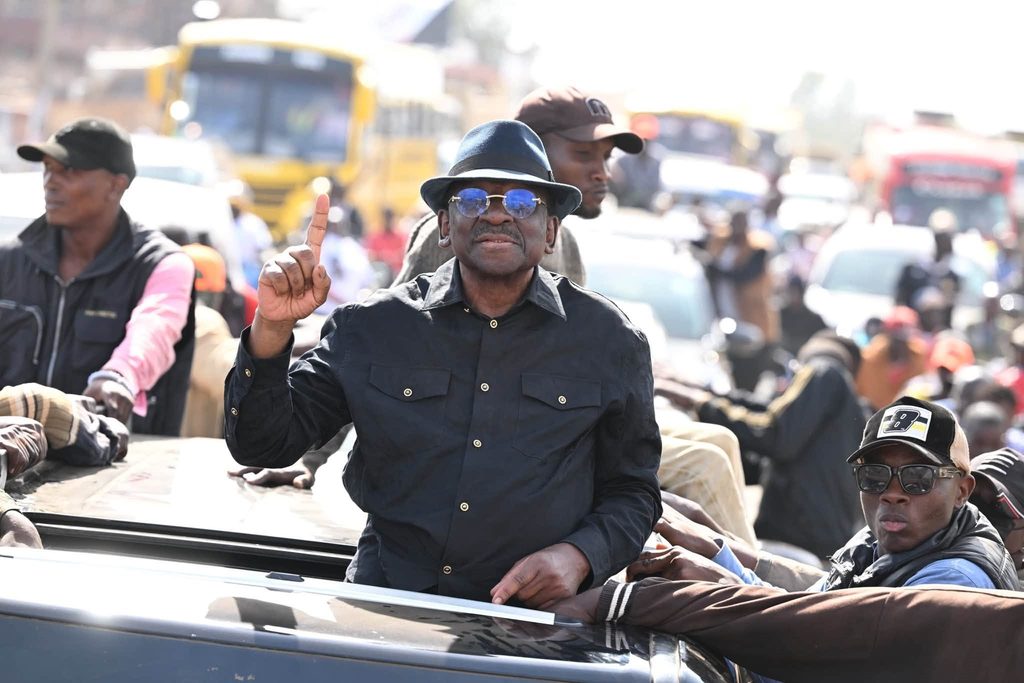
His decision to pursue a separate political platform could complicate efforts to consolidate the opposition around a single structure.
For a coalition seeking to present itself as a credible alternative to the current administration, losing or failing to accommodate leaders with established reform credentials could undermine its broader appeal.
Sifuna: The Man of the Moment?
At the centre of the generational debate is Nairobi Senator Edwin Sifuna, whose growing popularity among sections of younger voters has elevated his profile within the opposition.
His political energy, communication skills and apparent appeal among Gen Z supporters have positioned him as one of the most talked-about potential presidential contenders.

However, popularity and the ability to command a coalition are two different political tests.
Should Sifuna emerge as the opposition’s presidential flagbearer, he would face the difficult responsibility of balancing the interests of established political heavyweights, regional power brokers and an increasingly assertive younger generation.
He would also have to convince veteran politicians that his leadership would not render their political experience and influence irrelevant.
The question is whether the enthusiasm surrounding his candidature can translate into a political arrangement capable of accommodating the ambitions of those who may feel threatened by his rise.
The Bigger Question: Who Holds the Centre?
The United Opposition’s greatest challenge may not necessarily be President Ruto’s political machinery but its own inability to establish a common political direction.
Coalitions are built on compromise, trust and a shared understanding of the ultimate objective. They cannot survive on individual ambitions, political threats and the assumption that every leader must occupy the most prominent position.
The opposition needs to answer fundamental questions about its leadership structure, presidential nomination process, running-mate formula, regional representation and the distribution of political opportunities.
Without clear and mutually accepted mechanisms, the coalition risks becoming a collection of competing presidential campaigns rather than a coherent political movement.
There is still time for the various players to negotiate, reconcile their differences and develop a credible framework for cooperation. But the warning signs are becoming increasingly difficult to ignore.
The opposition may have correctly identified its common political adversary, but it has yet to agree on who should lead the battle.
And therein lies its greatest paradox: a coalition determined to take power from an incumbent president may first have to defeat the ambitions, suspicions and rivalries within its own ranks.
As Yeats would put it, the centre is struggling to hold. The question is whether the United Opposition can find its centre before everything falls apart.