

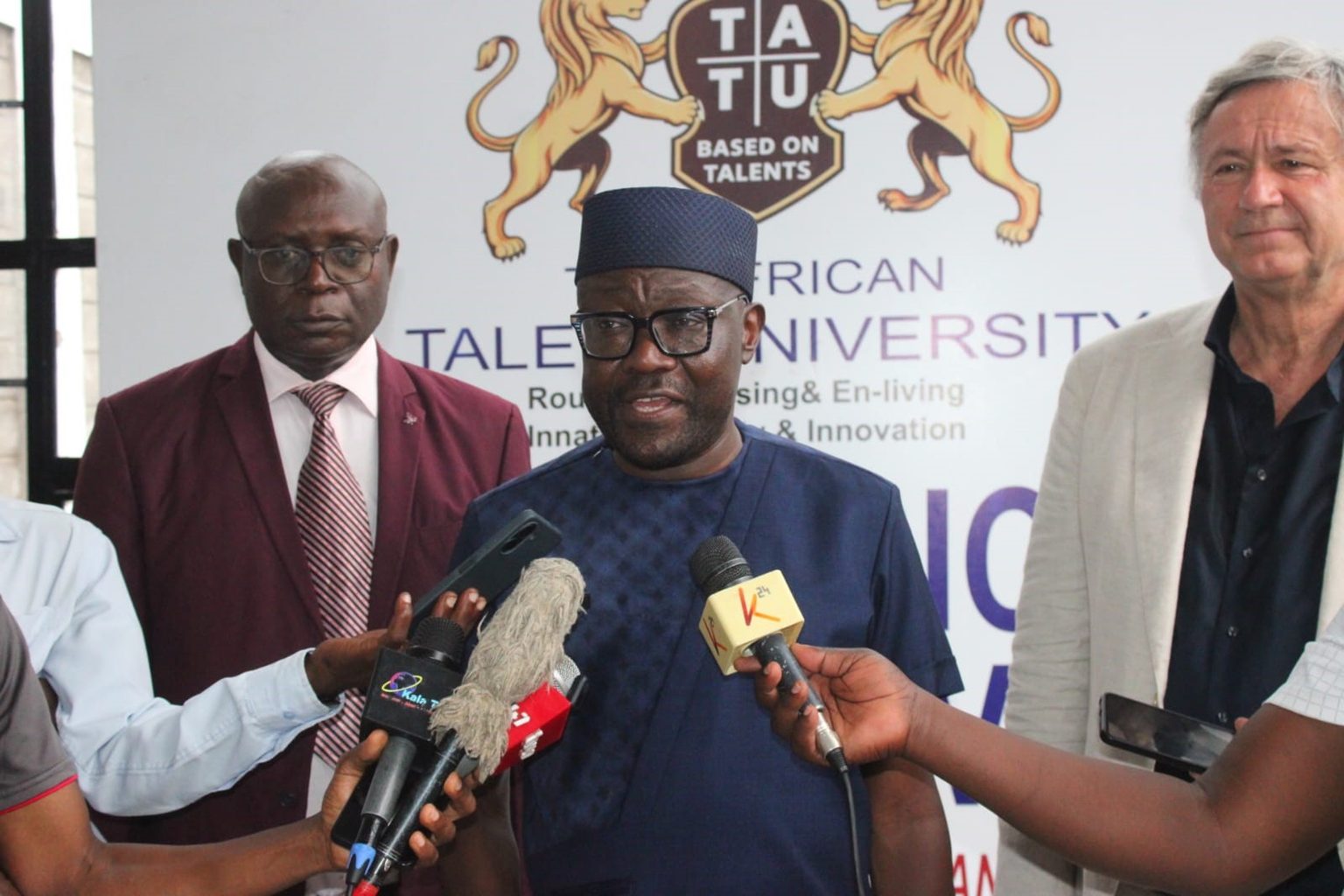

African Talent University founder Professor Humphrey Oborah has criticised Kisumu County leaders, national government officials and local politicians for failing to attend and support the inaugural World Talent Conference 2026, accusing them of neglecting opportunities to nurture young people’s potential.
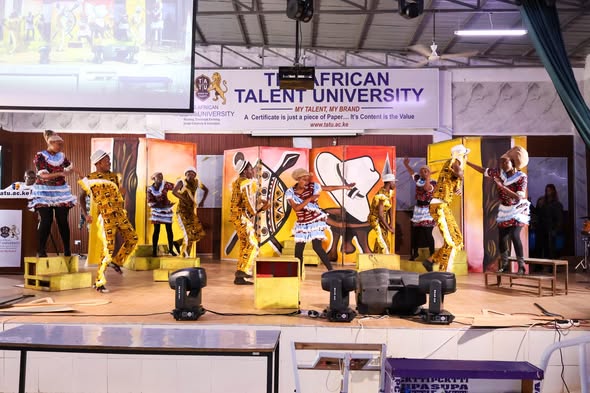
Oborah expressed his disappointment during the closing ceremony of the five-day international conference on Friday, October 30, saying the absence of key political leaders was a setback to efforts aimed at promoting youth innovation and talent development.
He recalled that during the launch of the conference, Kisumu County Executive Committee Members (CECMs) turned up in large numbers after accompanying Governor Peter Anyang’ Nyong’o, who officially opened the event.
However, he questioned why the same enthusiasm was not demonstrated by other leaders throughout the conference, describing their absence as a sign of disregard for the progress of young people.
Oborah said he deliberately established Africa’s first talent university in Kisumu to create opportunities for gifted young people but was disappointed by what he termed a lack of support from the county’s political leadership.
“Anybody calling himself a leader in Kisumu County who did not find it important to attend and support talented young people should explain what legacy they intend to leave. The direction in which some leaders are taking our youth is not one that guarantees posterity,” said Prof Oborah.
He questioned why politicians would prioritise distributing small amounts of money to young people during political rallies instead of supporting initiatives that could equip them with skills, attract investment and create sustainable economic opportunities.
“Only two TVET institutions and two universities were represented from Kisumu, while the rest of the participants came from Central and Rift Valley regions. I do not understand whether it is the county government, the political establishment or any other leadership structure that cannot recognise the importance of supporting young people,” he said.
“You will now go to political rallies and dish out KSh200 to young people. Is that better than creating opportunities for them? Anyone who calls himself a leader but failed to recognise the importance of this conference must explain what else they consider important for the youth.”
Despite the criticism, Oborah said the conference had achieved a significant milestone by bringing together young innovators whose abilities might otherwise have remained untapped.
He revealed that at least 17 innovative projects had attracted the interest of international partners, investors and donors, who had expressed willingness to support their development and commercialisation.
The projects, he said, would undergo further development ahead of a key checkpoint in 2028, when the innovators are expected to transform their ideas into commercially viable products and businesses.
“We have witnessed people with innate abilities who may have dropped out of mainstream education but have gone ahead to develop projects, inventions and innovations that have attracted partners, investors and donors. That is no mean achievement,” he added.
“I am excited that we already have 17 projects identified by international partners, donors and investors who are keen to see them developed. If these young people follow the advice they have received, by 2028 they will have transformed their innovations into commercial products and built them into major enterprises.”

The African Talent University founder further said the conference sought to challenge conventional approaches to education by changing how Africans perceive learning and talent development.
He argued that the traditional model, which largely measures academic achievement through classroom instruction and examinations, should no longer be considered the only pathway to success.
Oborah challenged stakeholders to recognise practical abilities, creativity and innovation as equally important components of education, saying young people with exceptional talents should be given opportunities to develop and commercialise their ideas.
“The objective of this conference, from the onset, was to change the mindset of all Africans about learning. For the longest time, people believed that the only way to learn was by going to school, sitting within the four walls of a classroom, listening to teachers, sitting examinations and eventually passing,” he noted.
He also cautioned young innovators against rushing to make money from their ideas, urging them to exercise patience, embrace continuous learning and remain innovative to attract meaningful investment.
The five-day World Talent Conference 2026 attracted more than 5,000 participants from Kenya and other countries, including Cameroon, Tanzania, Uganda, Ethiopia, South Africa, Liberia and Canada.