
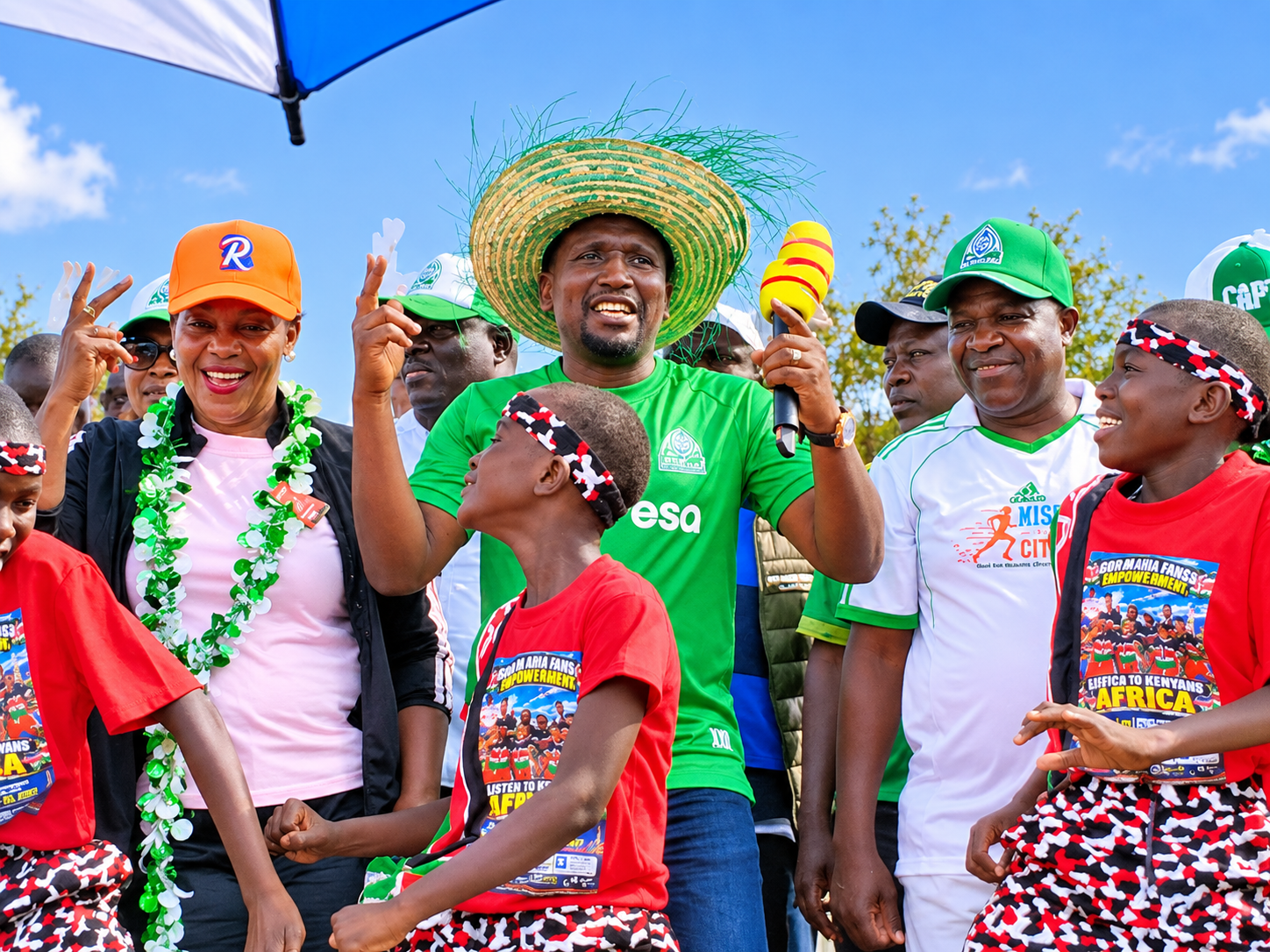

Kericho Senator Aaron Cheruiyot has launched a scathing attack on Wiper Patriotic Front leader Kalonzo Musyoka, dismissing his claims that the Luo community owes him political gratitude for repeatedly supporting the late former Prime Minister Raila Odinga’s presidential ambitions.
Cheruiyot accused Kalonzo of being a stumbling block to Raila’s quest for the presidency, arguing that rather than helping him secure the country’s top seat, the Wiper leader weighed down his political ambitions.
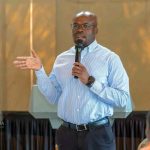
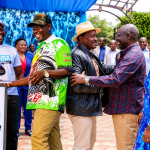
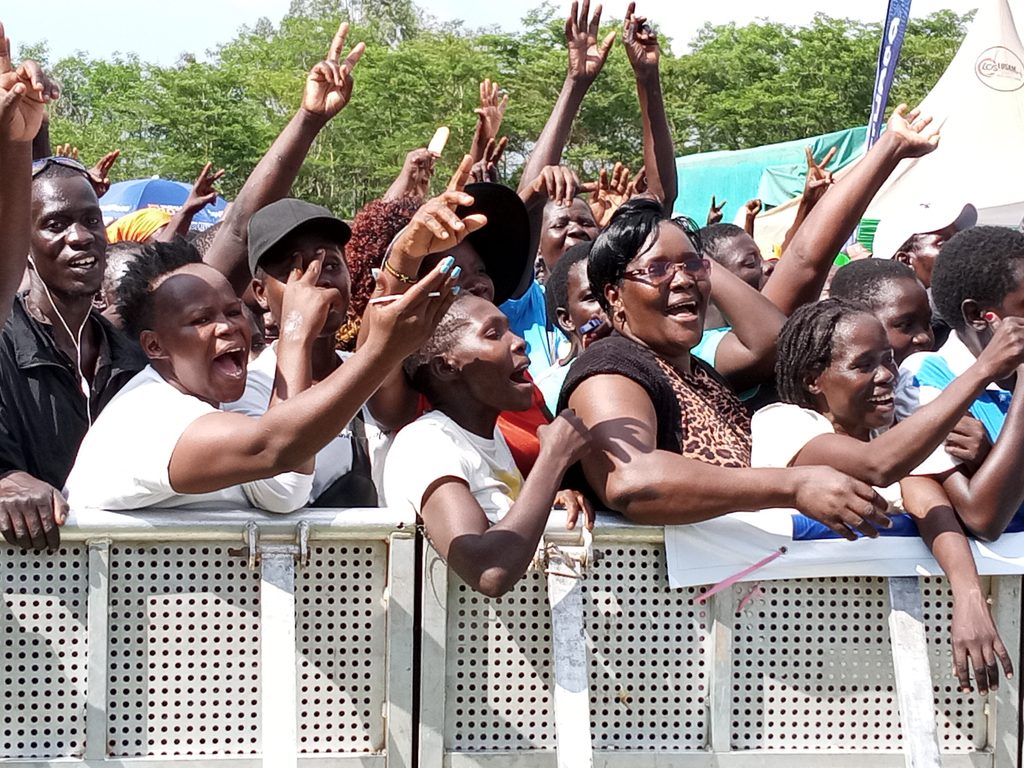
Speaking at Lela Primary School in Kobura, Nyando Sub-County, on Saturday during a Gor Mahia fans’ empowerment fundraiser, the senator insisted that the Luo community had no political debt to settle with Kalonzo.
“Yesterday, I saw Kalonzo claiming that he had helped Baba for many years and that the Luo community owes him. I want to tell him that the Luo community owes you nothing. You are the one who was dragging Baba behind. Listen carefully, you were the people pulling Baba’s coat until he could not win,” Cheruiyot said.
The senator also weighed in on the recent attack on Kalonzo’s convoy in Migori, accusing the opposition leaders of failing to honour their financial commitments to youths who had turned out to receive them.
He dismissed claims by Nyali MP Mohamed Ali that the government was plotting violence against opposition leaders, arguing that the incident was instead a result of unpaid promises to the youths.
“I saw them speaking in Migori, where Mohamed Ali claimed that the government was planning to beat them. The truth is that they left the youths there with nothing,” he said.
Cheruiyot further challenged the opposition to abandon what he termed divisive politics, insisting that the Kenya Kwanza administration would not allow political leaders to impose an agenda of exclusion on Kenyans.
He said the government was committed to equitable development across the country under the principle of Usawa ni Sawa, arguing that no region should be sidelined in the distribution of national resources and development projects.
Turning to the sugar industry in Kisumu County, the senator credited President William Ruto’s administration with reviving the struggling Muhoroni and Chemelil sugar factories, which he said had returned to operations after years of decline.
He claimed that sugarcane farmers were now receiving payments every seven days after delivering cane, while factory workers were being paid their monthly salaries without fail.
Cheruiyot also announced that sugarcane farmers across the sugar-growing belt would receive a KSh1.2 billion bonus, drawing parallels with bonuses paid to tea farmers.
“We do not want any part of this country to be left behind. Kisumu is just like Kericho, Kiambu, Murang’a and any other part of the country. We do not believe in the politics of exclusion that the opposition wants to force on us,” he said.
“It has taken the broad-based government time to revive two sugar factories in Kisumu. Muhoroni and Chemelil have roared back to life. Farmers are paid every seven days after delivering cane, and workers receive their salaries every month without failure.”
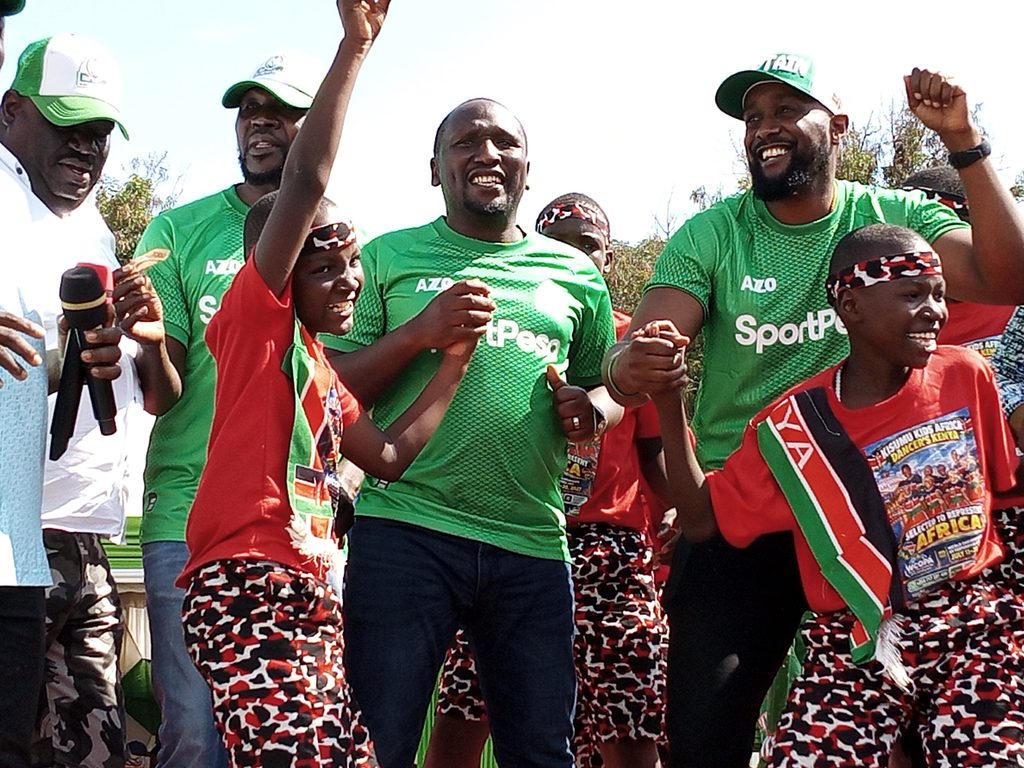
The senator maintained that President Ruto’s development agenda remained on course despite political resistance, declaring that the country’s journey to what he described as ‘Canaan’ was still alive.
He also took aim at former Deputy President Rigathi Gachagua over the proposed Mau Summit-Rironi highway, declaring that the road would be constructed regardless of opposition from the Democracy for the Citizens Party (DCP) leader.
Cheruiyot argued that the project was necessary for national development, likening its construction to the historical road-building efforts associated with the Mau Mau movement in Central Kenya.
He further dismissed the political rhetoric of Nairobi Senator Edwin Sifuna and Embakasi East MP Babu Owino, saying their reported political alignment with Gachagua in Wamunyoro would not offer solutions to the challenges facing Kenyans.
The senator also rejected suggestions that Sifuna and Babu Owino could walk away with ODM, insisting that the party would survive political disagreements and internal divisions.
He declared that the ruling coalition would continue engaging ODM as an equal partner through a structured political agreement, maintaining that the broad-based arrangement remained central to the government’s national development agenda.