


A growing number of schoolgirls across Kenya are missing classes due to lack of access to sanitary products, but a decade-long intervention by a non-profit organisation now seeks to reverse the trend and restore dignity in classrooms.
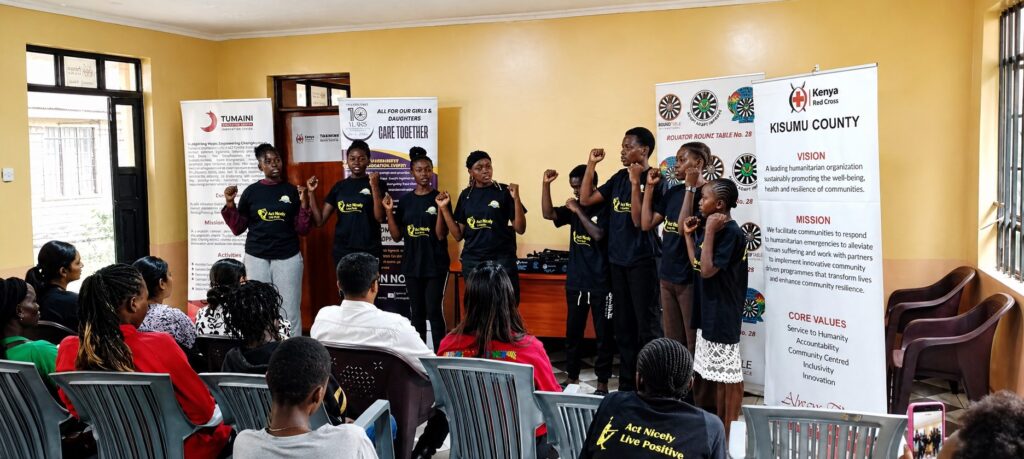
Together For Better, a non-governmental organisation with over 10 years of operations, has intensified efforts to tackle menstrual-related absenteeism by distributing reusable sanitary pads and offering menstrual health education to girls across the country. The initiative is being implemented in partnership with Equator Round, the Kenya Red Cross, and Tumaini Sickle Cell Organisation.
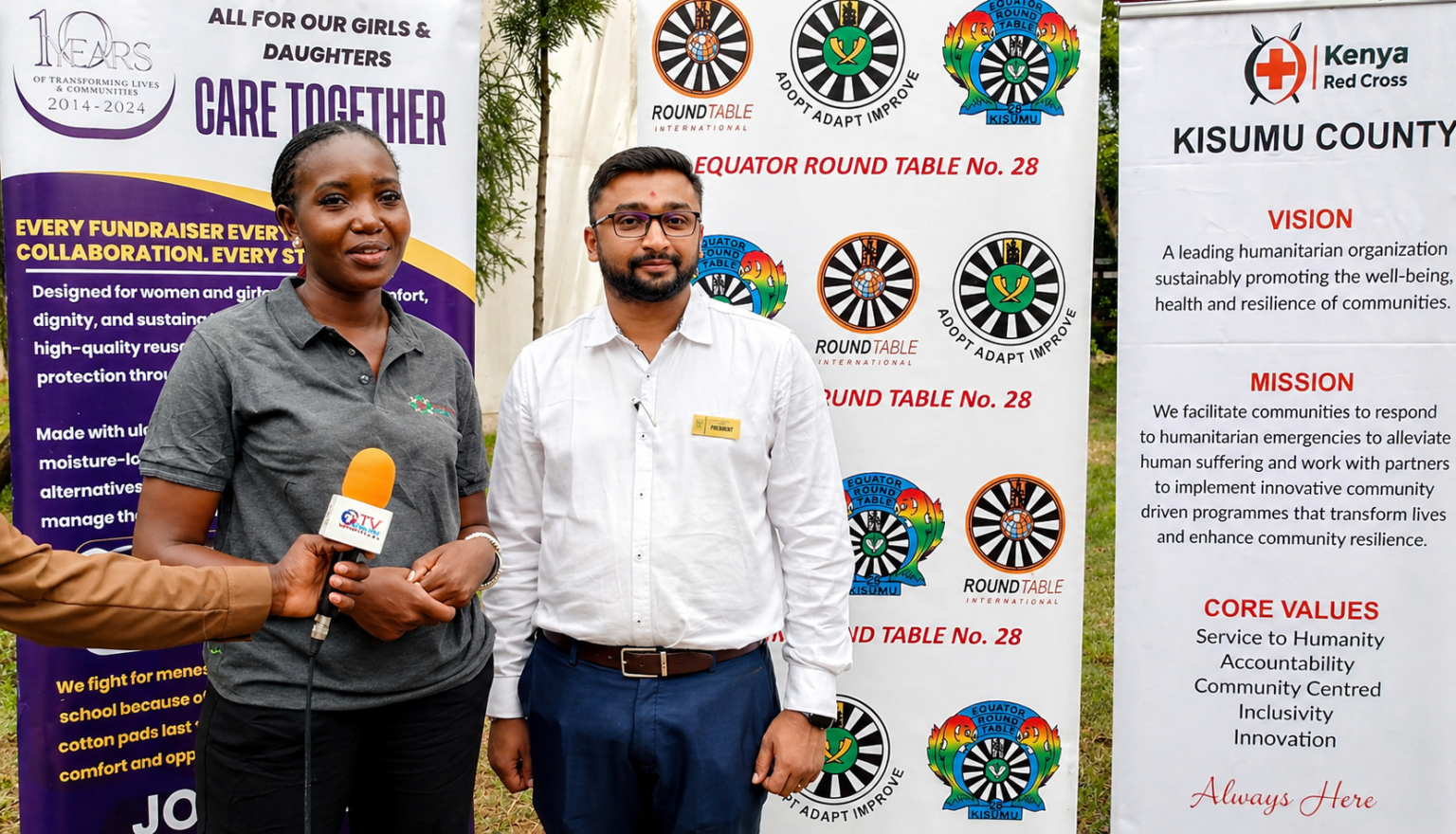
Speaking to the media at the Kenya Red Cross offices in Kisumu, the organisation’s president, Shyam Patel, said the programme has so far reached more than 68,000 girls across over 30 counties. He added that the next phase will focus on Western Kenya, beginning with Kisumu County.
“To date, we have reached over 68,000 girls in more than 30 counties. This year, we are targeting counties in Western Kenya, including Kisumu, where we plan to reach at least 2,100 girls in five schools starting June. Our focus is on schools that lack access to menstrual health education,” Patel said.
He emphasised that the organisation’s mission goes beyond providing free reusable sanitary towels, noting that menstrual hygiene education remains central to their work.
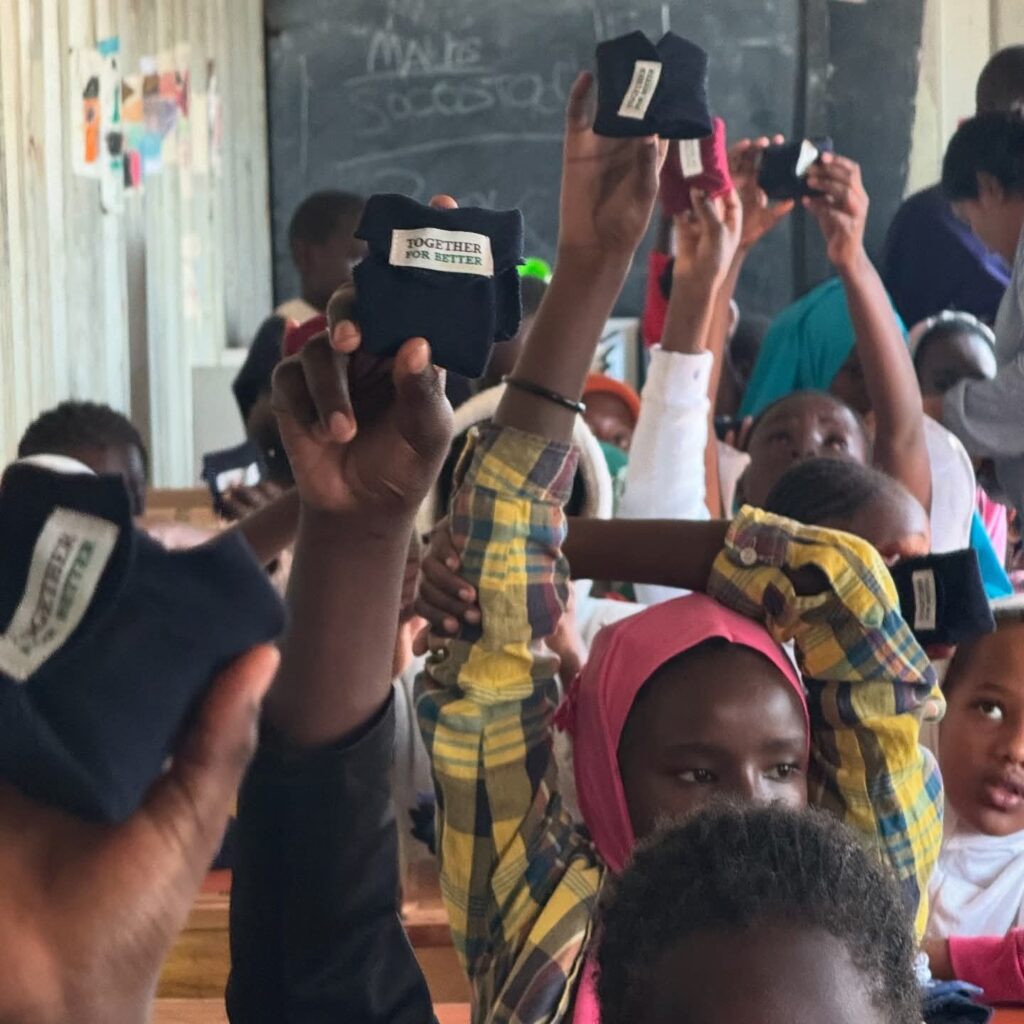
His remarks were echoed by the organisation’s content developer, Sinema Lydia, who revealed that 50 girls living with sickle cell anaemia were among the latest beneficiaries of the programme.
“Today, we are supporting 50 girls with sickle cell anaemia. Many girls miss classes simply because they cannot afford sanitary towels. These reusable dignity kits can last up to two years if properly maintained and washed every five hours. With this support, we are confident the girls will remain in school throughout the term,” she said.
Lydia stressed that the organisation is committed to ensuring that no girl is forced to miss school due to menstruation or financial constraints.
Meanwhile, Veronica Bitta, founder of Tumaini Sickle Cell Organisation, urged students living with the condition to take precautionary health measures, especially during cold seasons.
“I encourage them to keep warm, as cold weather can trigger a sickle cell crisis. They should also stay well-hydrated, since dehydration is another major trigger. Additionally, I urge them to spread awareness about genotype screening among their peers,” Bitta advised.
The initiative, supported by multiple partners, underscores a growing push by stakeholders to address menstrual health challenges, which remain a significant barrier to girls’ education in many parts of Kenya.