

Sugarcane farmers in Ndhiwa, Homa Bay County, say they are breathing a sigh of relief following a reduction in the price of a bag of fertiliser from KSh7,000 to KSh2,000, a move the government says is helping farmers save hundreds of millions of shillings.

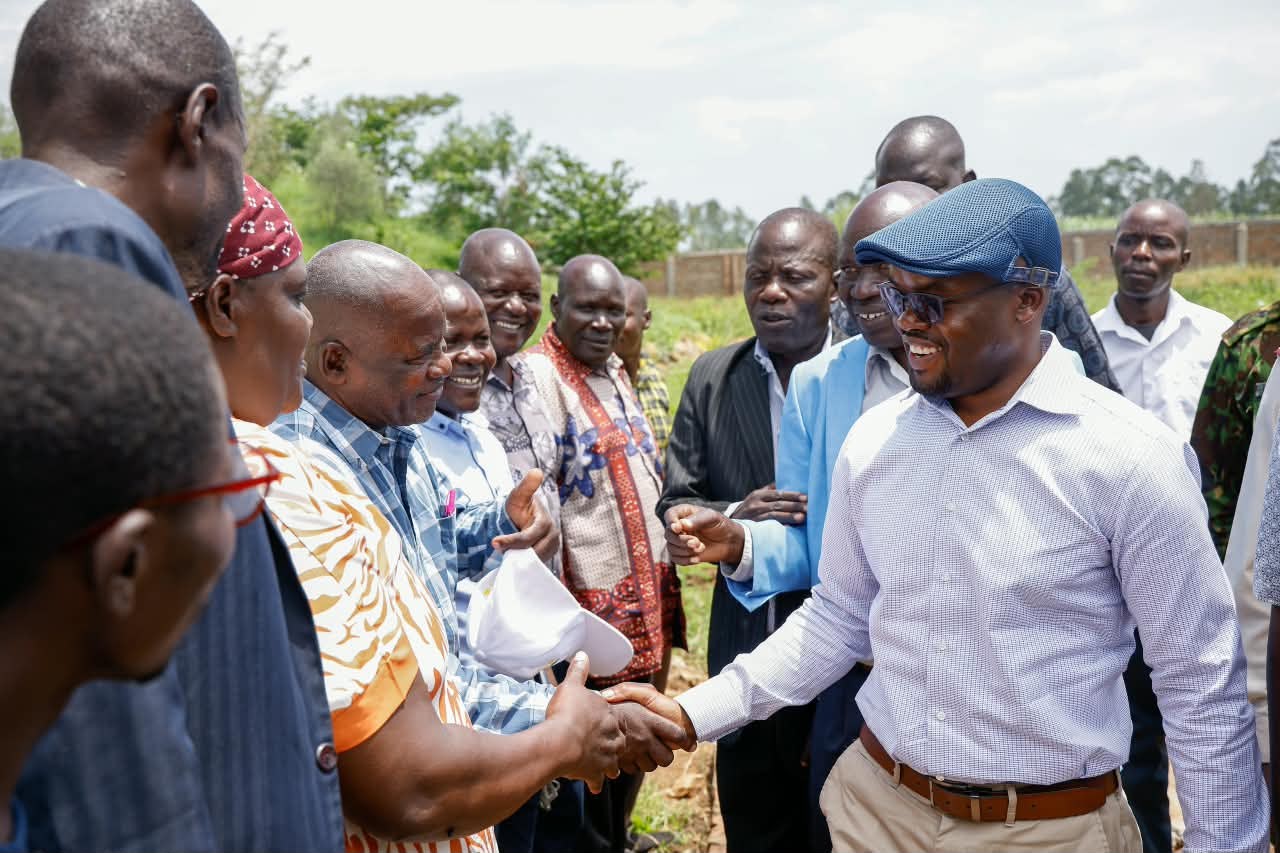
During an engagement with sugarcane farmers and livestock traders in Ndhiwa Sub-County on Saturday, October 24, Principal Secretary for Internal Security and National Administration Dr Raymond Omollo said the reduction was part of President William Ruto’s plan to transform agriculture and lower the cost of living under the Bottom-Up Economic Transformation Agenda (BETA).
Omollo said the lower fertiliser prices had significantly reduced production costs for sugarcane farmers, enabling them to redirect the savings towards improving their livelihoods and stimulating economic growth in Ndhiwa, Homa Bay County and the country at large.
“We have shared, and you have appreciated, what President Ruto has done in transforming the agricultural sector. Today, one bag of fertiliser has come down from KSh7,000 to KSh2,000, and for a sugarcane farmer, that means a great deal,” Omollo said.
He added that Ndhiwa had approximately 700 hectares under sugarcane cultivation, arguing that the reduction in fertiliser costs could translate into substantial savings for farmers.
“Money that they can now plan to use for other purposes, improve their livelihoods and build the economy of Ndhiwa, Homa Bay and Kenya,” he said.
Omollo Defends Ruto’s Sugar Industry Reforms
The PS said sugarcane farmers had historically been disadvantaged compared with other agricultural producers, including tea, coffee and dairy farmers, claiming that workers in the sugar industry sometimes went for eight months or even a year without receiving their salaries.
He said the situation had improved under Ruto’s administration, which he credited with prioritising equal treatment of farmers across different agricultural value chains.
Omollo further said the government had injected more than KSh100 billion into efforts to revive the sugar industry and address accumulated debts that had affected sugar factories, farmers and workers.
According to the PS, the interventions had helped improve payments to farmers, who can now receive their money within 10 days of delivering sugarcane to factories.
He said the government had also begun assessing the size of sugarcane farms and compiling data on farmers in Ndhiwa to improve planning, support production and address the influence of cartels in the sector.
Government Targets Livestock Sector
Turning to livestock traders, Omollo said the government was implementing measures to improve animal health, strengthen livestock markets and increase the value of livestock products.
He said a livestock vaccination programme had been introduced to ensure animals taken to market were healthy, helping traders secure better prices and build confidence among buyers.
The PS added that the government was improving slaughterhouses across the country to support value addition and reduce losses, particularly through better handling and preservation of animal hides.
He cited the provision of specialised slaughterhouse equipment by the State Department for Livestock Development as part of efforts to ensure that hides retain their value after slaughter.
“For the first time, we have a clear structure. We have run the vaccination programme for our livestock so that we get the right value for our animals when we take them to market. We are improving our slaughterhouses so that there is sufficient value addition,” he said.
Omollo maintained that the reforms reflected the commitments Ruto made to Kenyans before the 2022 General Election, arguing that the administration was implementing its development agenda across different sectors.
Youths and Small Businesses at the Centre of BETA
The PS said the Bottom-Up Economic Transformation Agenda was designed to improve the livelihoods of ordinary Kenyans by prioritising micro, small and medium enterprises (MSMEs), the digital economy, agriculture, food security and affordable housing.
He said the agenda was particularly important for young people, educators and small-business traders, who needed expanded economic opportunities to improve their incomes and contribute to national development.
Omollo said the government’s engagement with farmers and livestock traders was part of broader efforts to understand challenges at the grassroots level and align government interventions with the needs of local communities.
The government has positioned agricultural reforms, reduced production costs and support for small businesses as key pillars of its strategy to stimulate economic activity and improve household incomes.