

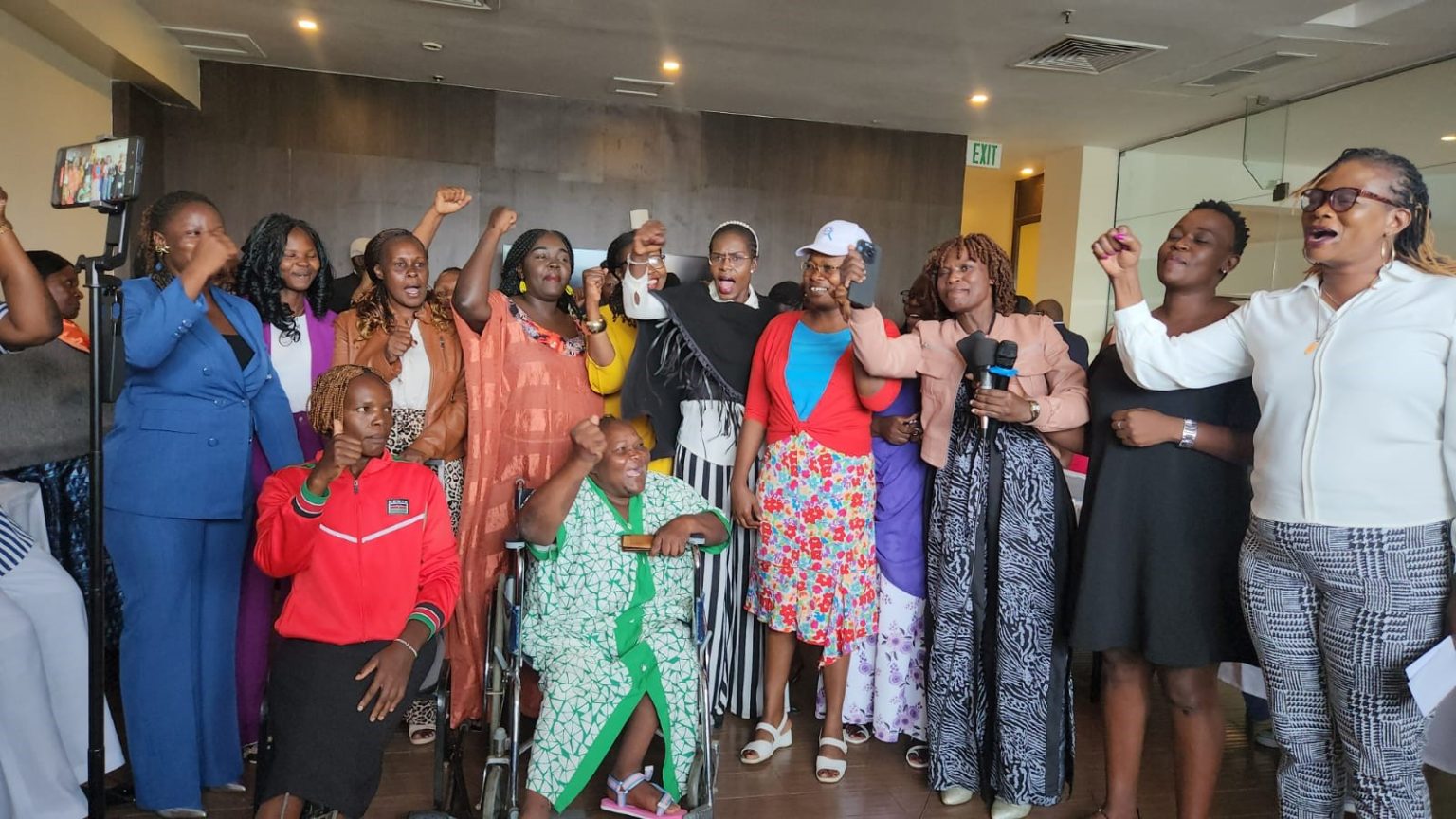

Women seeking elective positions in Kisumu County have called on electoral agencies, security institutions and political stakeholders to urgently protect them from political violence, intimidation, sexual harassment, voter bribery and gender-based violence ahead of the 2027 General Election.
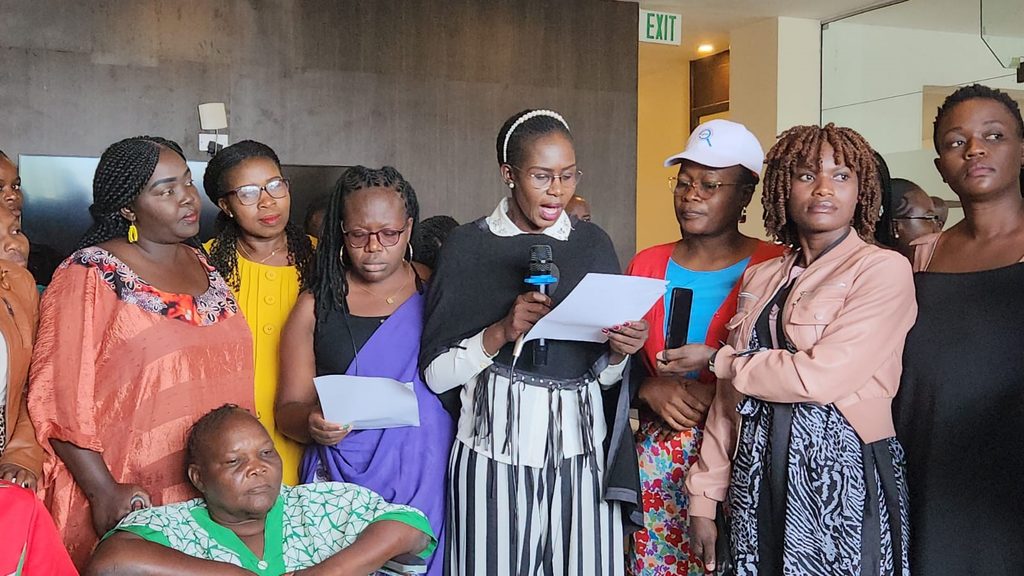
The aspirants warned that organised political gangs, online harassment and discriminatory practices within political parties were increasingly threatening women’s participation in elective politics, creating an unsafe environment for those seeking leadership positions.
Speaking during an engagement meeting with the Federation of Women Lawyers in Kenya (FIDA-Kenya) in Kisumu on Thursday, November 12, 2026, the women urged the Independent Electoral and Boundaries Commission (IEBC), the Office of the Registrar of Political Parties (ORPP), the National Cohesion and Integration Commission (NCIC) and the National Gender and Equality Commission (NGEC) to intervene before the next electoral cycle.
In a joint statement read by the aspirants, they decried what they described as a recurring pattern of political intolerance in Kisumu and the wider Lake Region, where organised and spontaneous groups allegedly mobilised to intimidate female candidates and their supporters.
They identified the groups, which operate under different aliases, as including Mbogis, Chude Chude, Sangwenya, Security Boys and various business associations.
“Unfortunately, this pattern recurs in every electoral cycle. Organised and spontaneous political militias, locally known by different aliases, including Mbogis, Chude Chude, Sangwenya, Security Boys and various Business Associations, among others, have created a climate of fear for women candidates and our supporters,” the aspirants said.
They further warned that women who express divergent political views often become targets of violence allegedly perpetrated by hired political gangs, adding that the situation had been compounded by a surge in technology-facilitated gender-based violence (TFGBV).
The forms of digital abuse they cited include online harassment, doxing, non-consensual sharing of intimate images, coordinated digital intimidation and the weaponisation of social media platforms to discredit and silence women seeking political office.
According to the aspirants, such practices violate women’s fundamental rights to security, freedom of expression, political participation and dignity.
“Sadly, expressing our divergent political positions continues to bring us the worst of this violence from these hired political militias. Such violent conduct should not exist in a modern democratic space like Kenya today,” they said.
Beyond physical and digital intimidation, the women identified sexual harassment and manipulation during political party nominations as major barriers to their political ambitions.
They alleged that female aspirants were frequently pressured to withdraw from nomination contests in favour of male candidates, sometimes in exchange for promises of alternative political positions.
The aspirants also raised concerns over alleged sexual exploitation, claiming that some women are made to believe that securing political opportunities or party nominations depends on personal relationships with influential individuals or offering sexual favours.
They called for an end to such practices, insisting that women’s political participation should be based on merit, competence and equal opportunity rather than sexual exploitation or patronage.
Other challenges highlighted included the absence of gender-sensitive campaign manifestos, weak internal accountability mechanisms on gender inclusion and inadequate strategic representation of women and other special interest groups within political party structures.
The aspirants called on the ORPP, NCIC, NGEC, the Political Parties Disputes Tribunal and security agencies to enforce their respective mandates and guarantee safe, inclusive, hate-speech-free, free and fair elections.
They particularly urged the institutions to move against organised political gangs and the financial networks allegedly responsible for funding and deploying them during election campaigns.
They further called for electoral violence and technology-facilitated gender-based violence to be treated as priority threats to women’s democratic participation, warning that failure to address the challenges could undermine the credibility and inclusivity of the 2027 elections.
Despite the challenges, the Kisumu women aspirants vowed to continue advocating for an electoral environment where women can seek leadership without fear, intimidation, discrimination or violence.
They pledged to hold political parties and state institutions accountable for implementing the Constitution, relevant electoral laws and international legal obligations on gender equality and political participation.
The aspirants said the 2027 General Election presents an opportunity to bridge the gap between constitutional guarantees and the realities confronting women in politics.
However, they maintained that this would only be possible if women from all backgrounds were represented at every level of political competition and institutions entrusted with safeguarding the electoral process discharged their responsibilities with integrity, courage and commitment to equality.