

Campaigns ahead of the 2027 General Election are already underway, long before the May 29, 2027 date set by the Independent Electoral and Boundaries Commission (IEBC) as the official start of the campaign period.
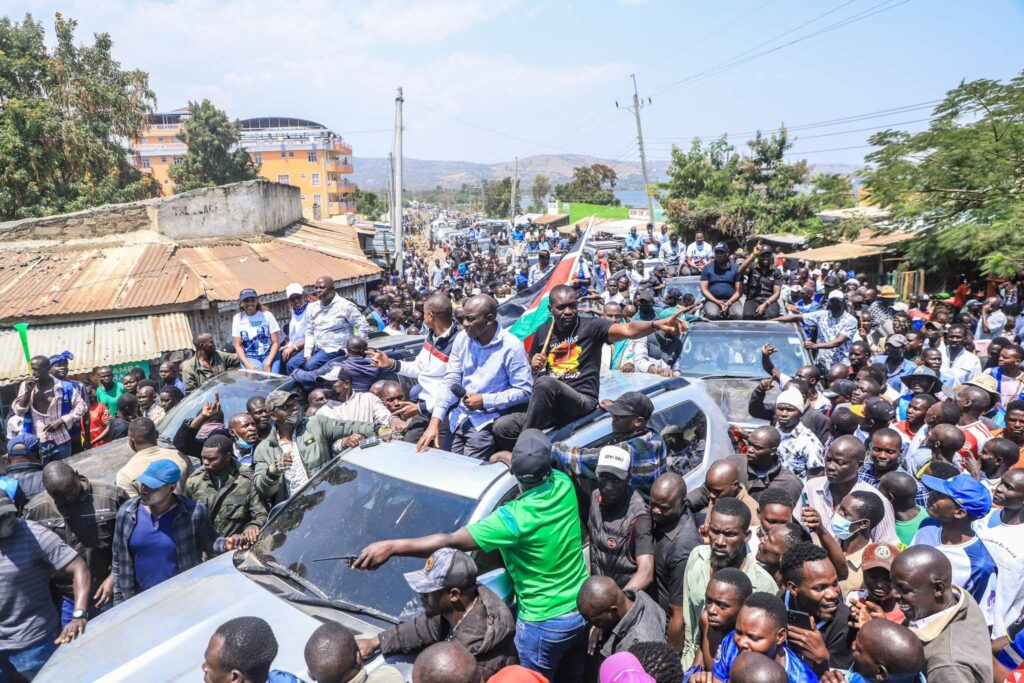
According to the IEBC timetable, campaigns are expected to run from May 29 to August 7, ahead of the August 10 polls, when Kenyans will elect leaders to various positions and decide whether to retain or change the status quo.
But the reality is that, in Kenya, politicians rarely wait for the official campaign period.
The moment one election ends, the next political contest begins.
Politicians start touring the country, holding meetings, making alliances, issuing promises and positioning themselves for the next battle. And, unfortunately, Kenyans are often more than willing to attend these political gatherings, sometimes at the expense of demanding that those already elected focus on delivering the mandate entrusted to them.
Long before the Orange Democratic Movement (ODM) split down the middle, with Siaya Senator Dr Oburu Oginga remaining in the Linda Ground camp while his Nairobi counterpart and allies moved towards Linda Mwananchi, politicians aligned with President William Ruto’s United Democratic Alliance (UDA) were already criss-crossing the country under the banner of empowerment meetings and grassroots mobilisation.
For a while, many of these engagements remained largely peaceful.

Then came the emergence of the Democracy for Citizens Party (DCP) under impeached former Deputy President Rigathi Gachagua, whose growing political influence has increasingly unsettled the country’s political landscape.
Gachagua and his allies have on several occasions had their meetings disrupted, with allegations pointing fingers at goons or, in some instances, police officers. His political rallies have been disrupted and his team attacked, including incidents at churches and other public venues.
Whatever one’s political allegiance, such incidents should concern every Kenyan.
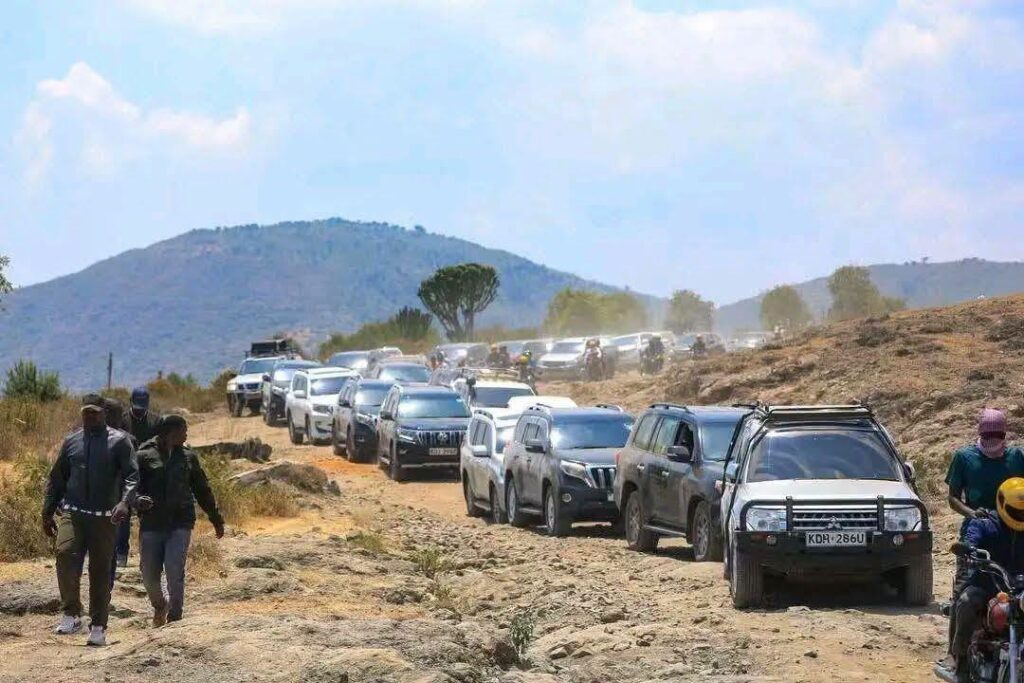
The Constitution of 2010 did not envision a Kenya where political leaders are allowed to speak only when their message is convenient to those in power. It envisioned a democratic country where citizens have the freedom to assemble, associate and express their political opinions without fear.
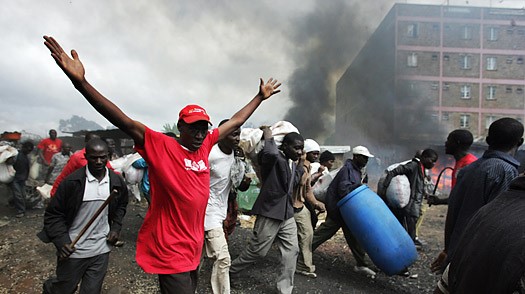
The Linda Mwananchi brigade has also experienced disruptions in some parts of the country. Meetings in Kakamega, Vihiga and, most recently, Homa Bay have been marred by violence, with deaths, injuries and destruction of property reported.
The political gatherings have brought together prominent opposition figures, including Siaya governor James Orengo, Embakasi East MP Paul Ongili, popularly known as Babu Owino, and other leaders seeking to mobilise support ahead of 2027.
The disturbing pattern is becoming increasingly familiar: rival political camps organise meetings, crowds gather, tempers rise, violence erupts and, eventually, Kenyans pay the price.
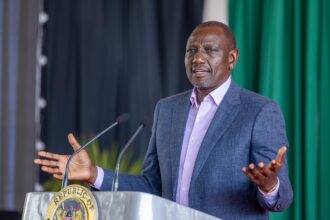
President Ruto, Interior Cabinet Secretary Onesmus Kipchumba Murkomen and Interior Principal Secretary Raymond Omollo have repeatedly condemned political violence and what they describe as “goonism” ahead of the 2027 elections.
But condemnation alone will not stop the problem.
The critical question is whether the government is prepared to take decisive action against those who organise, finance or participate in political violence, regardless of which side of the political divide they belong to.
Is the administration unable to contain political goons, or are some elements within the political establishment tolerating, or even using, violence to intimidate opponents?
These are difficult questions, but they must be asked.
Religious organisations, civil society groups and human rights activists have already sounded the alarm, warning that Kenya could be heading into a dangerous political season if political violence is allowed to become normal.
And the warning signs are impossible to ignore.
President Ruto is seeking another term in office. The opposition, meanwhile, is determined to deny him that opportunity. That is the nature of competitive politics.
But beyond UDA, ODM, DCP, Linda Mwananchi, Linda Ground or any other political formation, there is one identity that binds us all together: Kenyan.
Political competition should never become a licence to destroy the country we all call home.
If there is one painful lesson Kenya should never forget from the 2007/08 post-election violence, it is that destroying a country can take only days, while rebuilding it can take generations.
The politicians will eventually leave the campaign podiums. They will return to their homes. They will continue with their businesses and political careers.
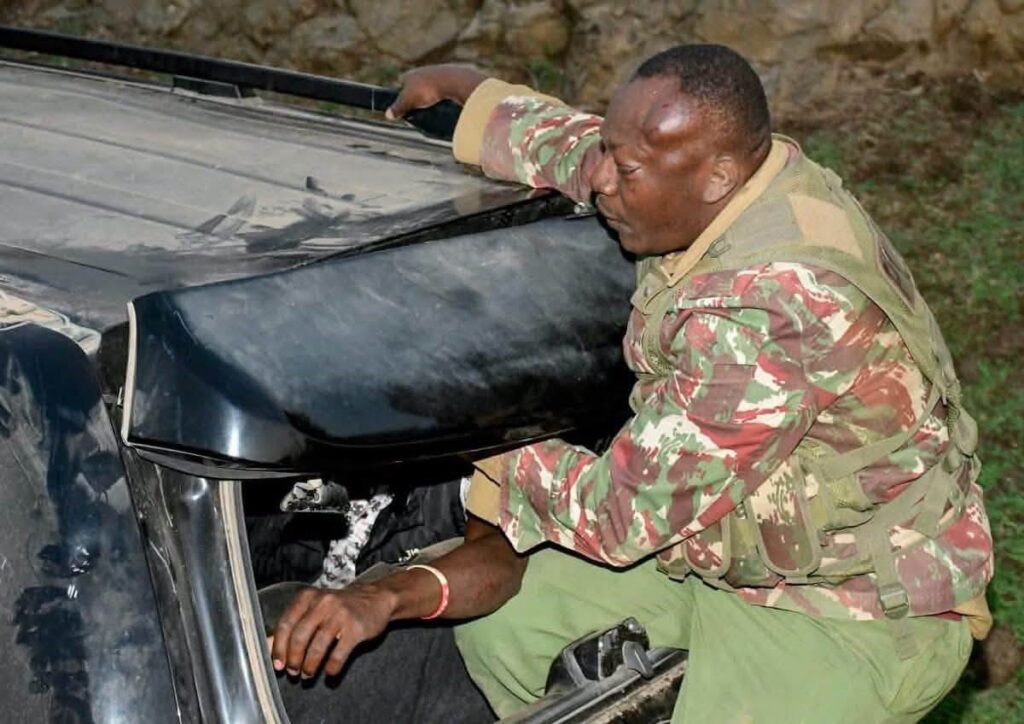
But ordinary Kenyans will remain behind to rebuild destroyed shops, mourn lost loved ones, nurse their wounds and repair broken communities.
2027 will come and go.
President Ruto will either win or lose. New leaders will emerge, others will return to office, while some political careers will come to an end.
But Kenya will remain.
That is why politicians must be allowed to campaign, citizens must be allowed to listen and voters must be allowed to make their choices freely.
Let us debate fiercely, disagree politically and campaign vigorously, but let us do it peacefully.
We can fight for political power without fighting one another.
When 2027 finally arrives, let Kenyans vote according to their conscience, accept the outcome and walk home in peace.
Because no election is worth a Kenyan life.