

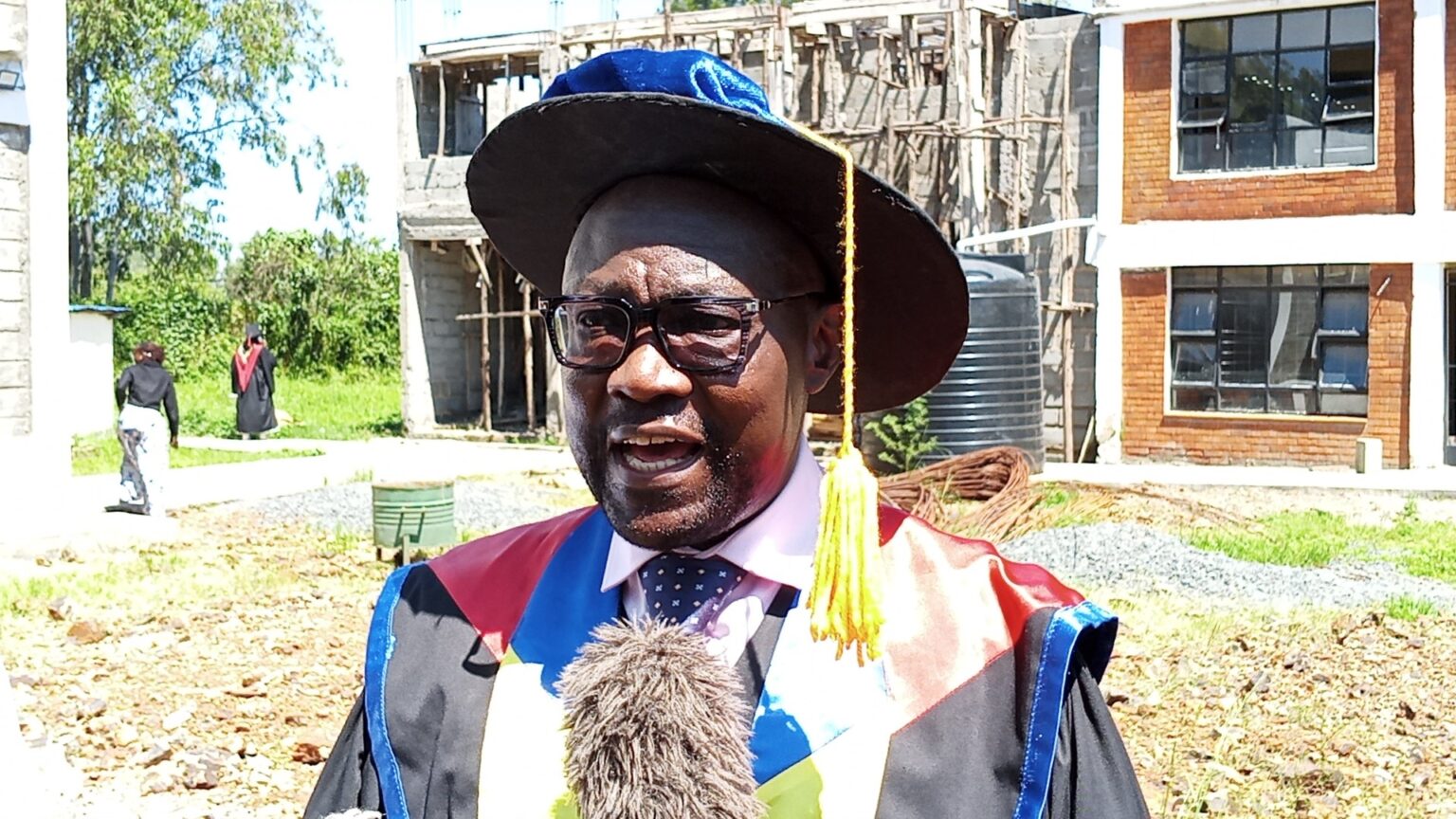

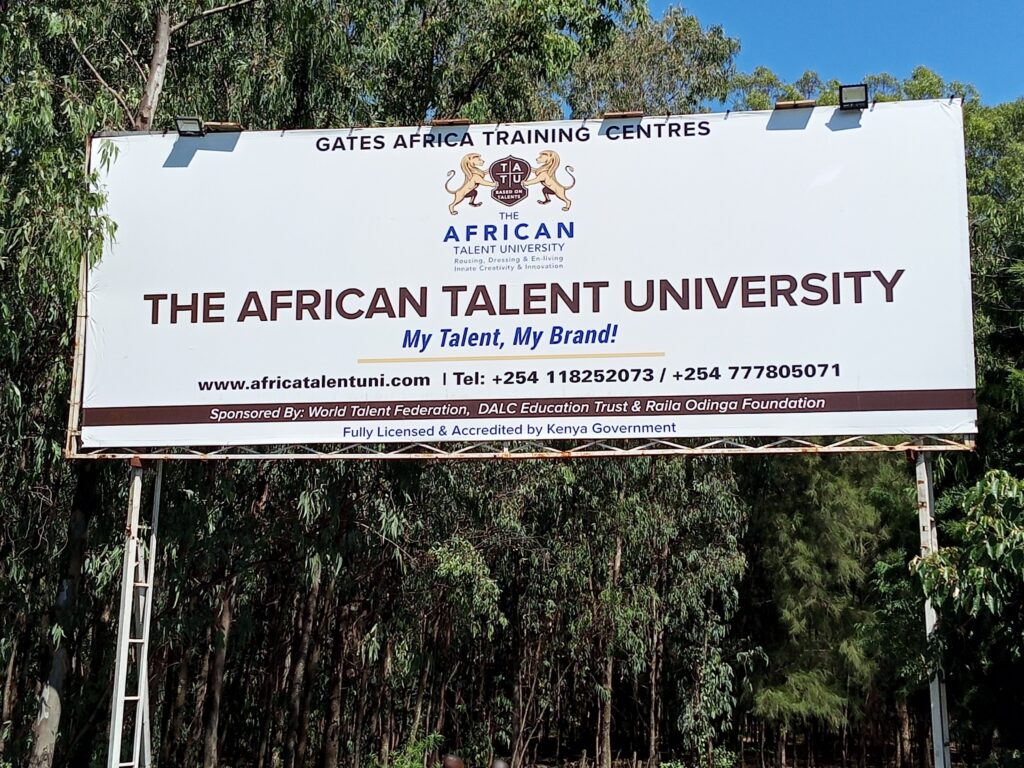
History was made in Kisumu on Friday, June 4, as The Africa Talent University (TATU) staged what education experts described as one of the most innovative graduation ceremonies ever witnessed on the continent, with more than 80 students receiving degrees in various disciplines.
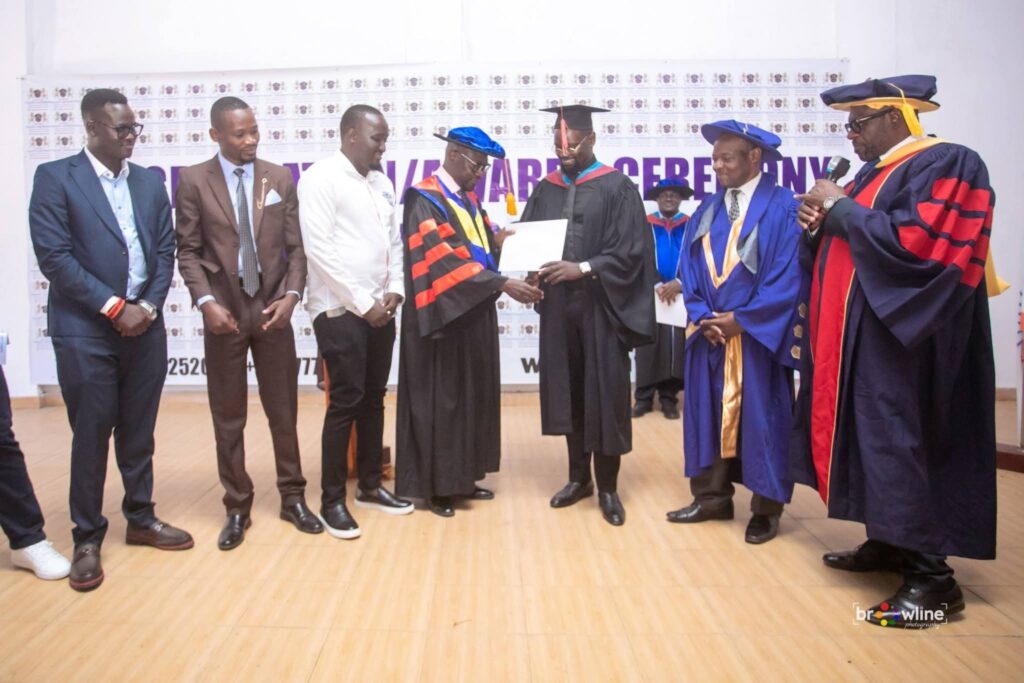
The graduation marked a significant departure from conventional higher education models by recognizing talent, innovation, entrepreneurship, creativity, professional achievement, and life experience as legitimate pathways to academic qualifications.
Unlike traditional university graduations that primarily focus on academic transcripts and examination performance, the ceremony celebrated demonstrated competence and real-world impact. Graduates showcased films, musical performances, business enterprises, technological innovations, artistic productions, community projects, and entrepreneurial ventures before being conferred with their qualifications.
The event attracted government officials, education stakeholders, employers, investors, parents, artists, entrepreneurs, and development partners keen to witness the practical implementation of Talent-Based Learning, a model that seeks to bridge the gap between education and industry.
Speaking during the ceremony, TATU Founder and Sponsor Prof. Humphrey Oborah said the institution was established to unlock the vast reservoir of human talent that often goes unrecognized within traditional education systems.
“For generations, millions of talented people have been excluded from educational recognition simply because their abilities could not be measured through examinations. Today, we’ve demonstrated that talent, innovation, and competence can also be pathways to academic achievement,” said Prof. Oborah.
He noted that the university’s approach seeks to empower individuals whose skills and achievements have historically been overlooked despite their contribution to society and economic development.
Education specialists who attended the ceremony hailed the event as a potential turning point in Africa’s quest for more inclusive, practical, and relevant models of higher education.
Many observed that the graduation reflected emerging global trends that emphasize competency-based education, lifelong learning, skills development, and recognition of prior learning as key drivers of modern workforce preparation.
The ceremony was marked by an atmosphere of celebration and optimism as graduates, accompanied by their families and supporters, embraced what many described as a historic milestone in the evolution of higher education in Africa.
Observers said the event could influence future education reforms across the continent by encouraging institutions to broaden pathways to academic qualification and recognize practical skills alongside traditional classroom learning.