


Journalists from Kisumu, Nandi and Kericho counties have been praised for adopting conflict-sensitive reporting, with peace actors saying their responsible journalism has played a crucial role in easing tensions and preventing the escalation of recurrent border conflicts.
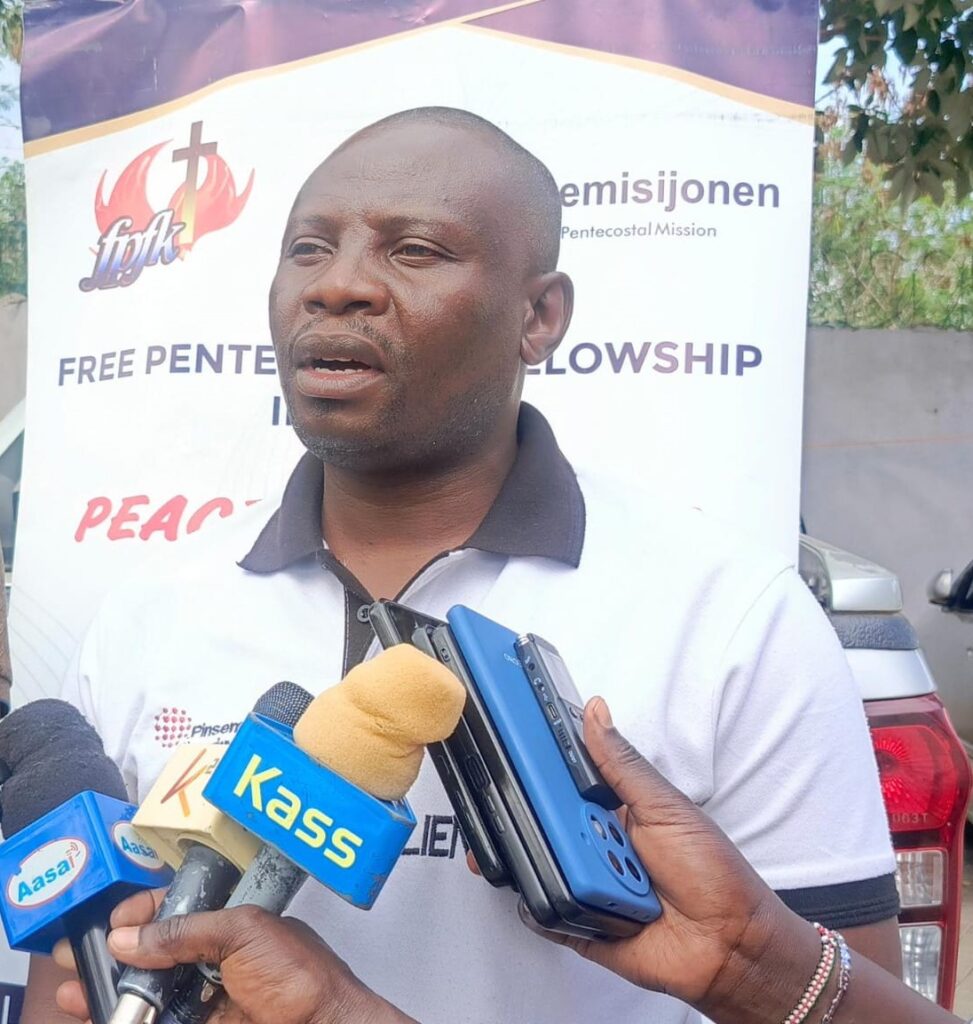
Speaking during a Conflict-Sensitive and Cybercrime Reporting training held on Thursday in Awasi, Nyando Sub-county, the National Cohesion and Integration Commission (NCIC) Regional Coordinator for Nyanza, Castro Baraza, said the media has become a critical partner in promoting peace by countering inflammatory narratives and disseminating messages that encourage coexistence.
Baraza noted that border disputes between Kisumu and its neighbouring counties of Nandi and Kericho have previously threatened peaceful relations, but credited journalists for helping to calm communities through balanced and responsible reporting.
“We have witnessed a conflict ecosystem along the borders between Kisumu, Nandi and Kericho counties. The media has played a major role in helping us execute our mandate by informing the public responsibly and disseminating peace messages. This is our third engagement with journalists, and we have seen tremendous results because they have helped de-escalate emerging tensions by promoting counter-narratives and encouraging peaceful coexistence,” said Baraza.
He said the training aims to equip journalists with skills in conflict-sensitive reporting while discouraging prejudice and hate speech that could fuel violence.
Baraza challenged media practitioners to sustain their commitment as the country heads towards the next General Election, urging them to prioritise stories that foster unity rather than division.
“As we approach the next General Election, we urge journalists to continue producing stories that promote peace among communities living along the borders of Kisumu, Nandi and Kericho counties,” he added.
FPFK Peace Resilience Project Lead Malachi Otieno Okumu said the capacity-building programme is part of a broader strategy to strengthen collaboration between peace actors and the media in promoting peaceful elections.
Okumu said the partnership will extend beyond training sessions to include radio talk shows and community engagements aimed at promoting peace and countering misinformation.
“The media is a powerful institution in society. That is why we are partnering with journalists through capacity-building so they become more sensitive to the content they publish and broadcast. We will continue working together through radio talk shows because we want the next elections to be more peaceful than previous ones,” he said.
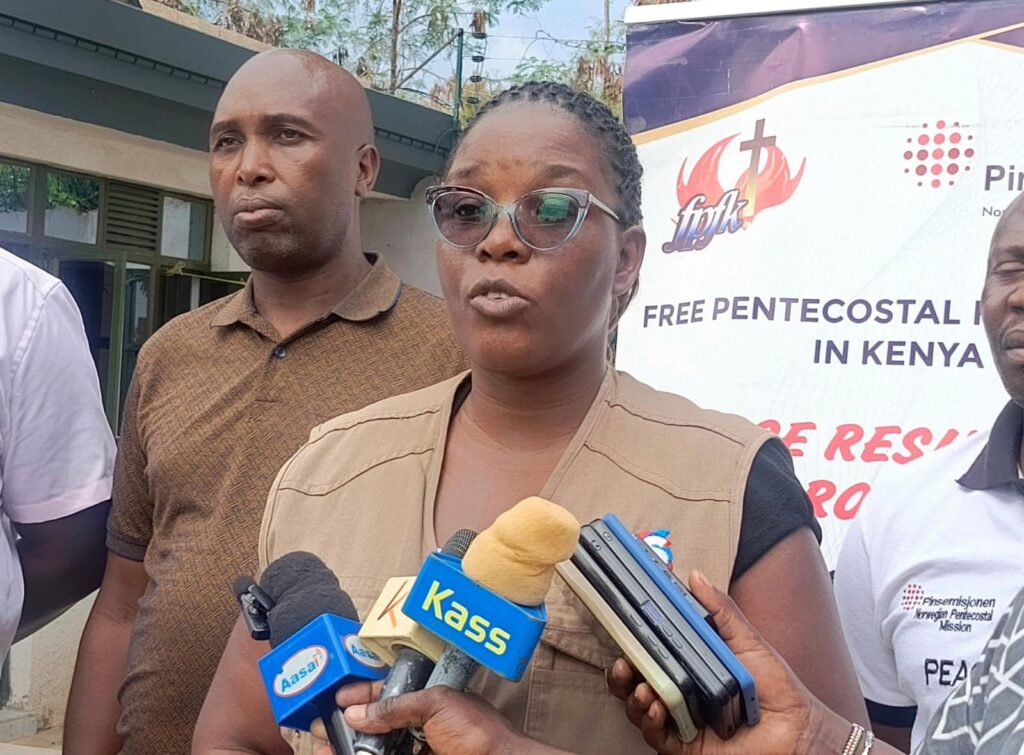
He added that the project’s guiding principle of “Leaving No One Behind” will continue to drive community outreach initiatives focused on promoting peaceful coexistence.
“Our motto is ‘Leaving No One Behind.’ We want every member of the community to embrace peace ahead of the General Election,” Okumu said.
Meanwhile, Lilian Onyango from International Center for Studies (ICS) expressed concern over the impact of border conflicts on children, particularly in Songhor and Kopere, saying many learners have been caught up in ethnic divisions fuelled by recurring disputes.
She revealed that peace actors have intensified school outreach programmes to teach learners the value of peaceful coexistence and discourage tribal segregation.
“Many children living along the Songhor and Kopere border have been affected by these conflicts. We are working with schools to teach them the importance of peace because we have noticed that some learners are beginning to group themselves along tribal lines. That is dangerous, and together with NCIC, FPFK and other peace actors, we are working to address the factors that fuel conflict,” Onyango said.
She further faulted leaders for paying little attention to the effects of border conflicts on children, insisting that ending hatred and promoting cohesion is a shared responsibility.
The training brought together journalists from more than 20 media houses across Kisumu, Nandi and Kericho counties as part of ongoing efforts to strengthen responsible journalism, promote social cohesion and enhance peace-building ahead of the 2027 General Election.